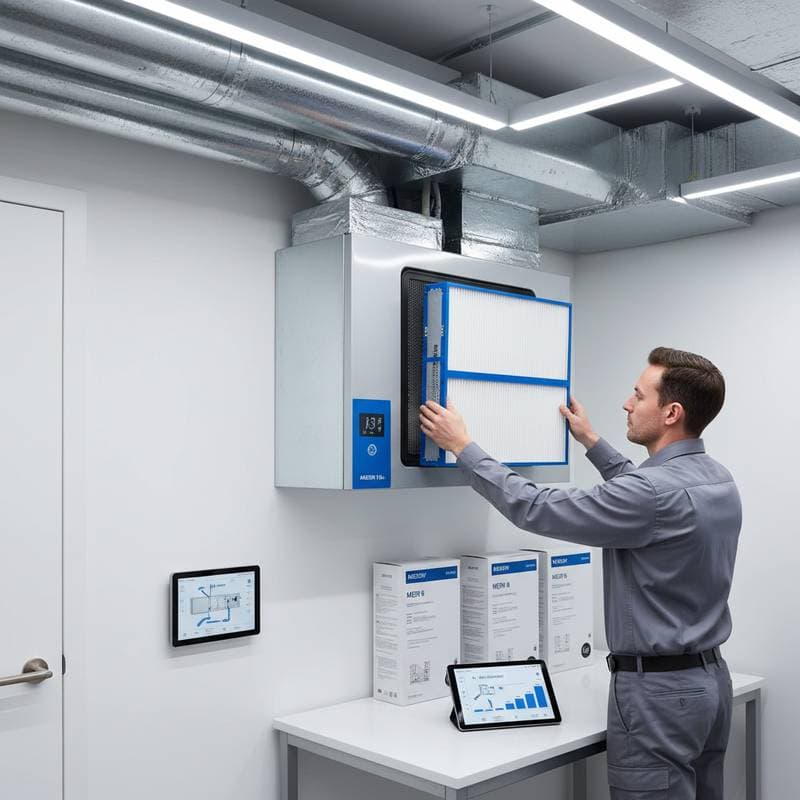
2026 HVAC Filter Changes: What New MERV Rules Mean
Homeowners face upcoming shifts in HVAC filter standards that raise expectations for indoor air quality. These updates target finer particle capture to support respiratory health. They also influence system maintenance, energy consumption, and operating expenses. Preparation now prevents performance issues later.
MERV Rating Basics
MERV stands for Minimum Efficiency Reporting Value and indicates a filter ability to trap airborne particles. Ratings range from 1 to 20. Higher values remove smaller contaminants such as pollen, mold spores, and smoke. Residential units have long relied on MERV 8 to MERV 12 filters. New standards encourage MERV 13 and higher where equipment permits.
Filters with elevated ratings increase resistance to airflow. This resistance can reduce blower efficiency if the system lacks capacity for the added load. Technicians measure static pressure to confirm compatibility before installation.
Reasons Behind the Standard Updates
Health organizations emphasize reduced exposure to indoor pollutants. Improved filtration lowers concentrations of bacteria and viruses in circulated air. The rules establish a higher baseline for acceptable performance in homes. They apply to both new builds and retrofits when the HVAC equipment can accommodate the change.
Practical Effects on Households
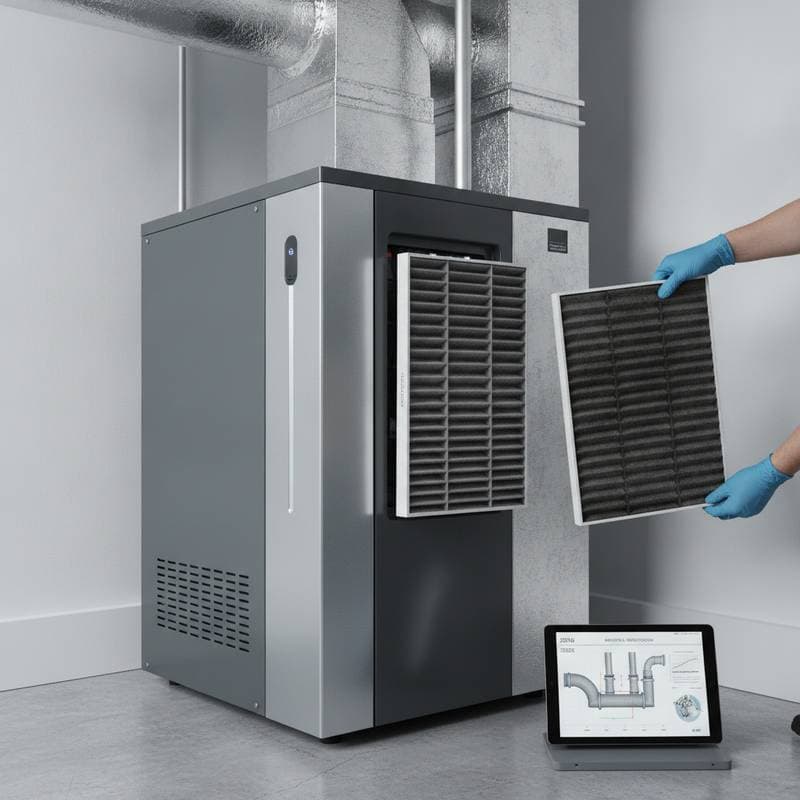
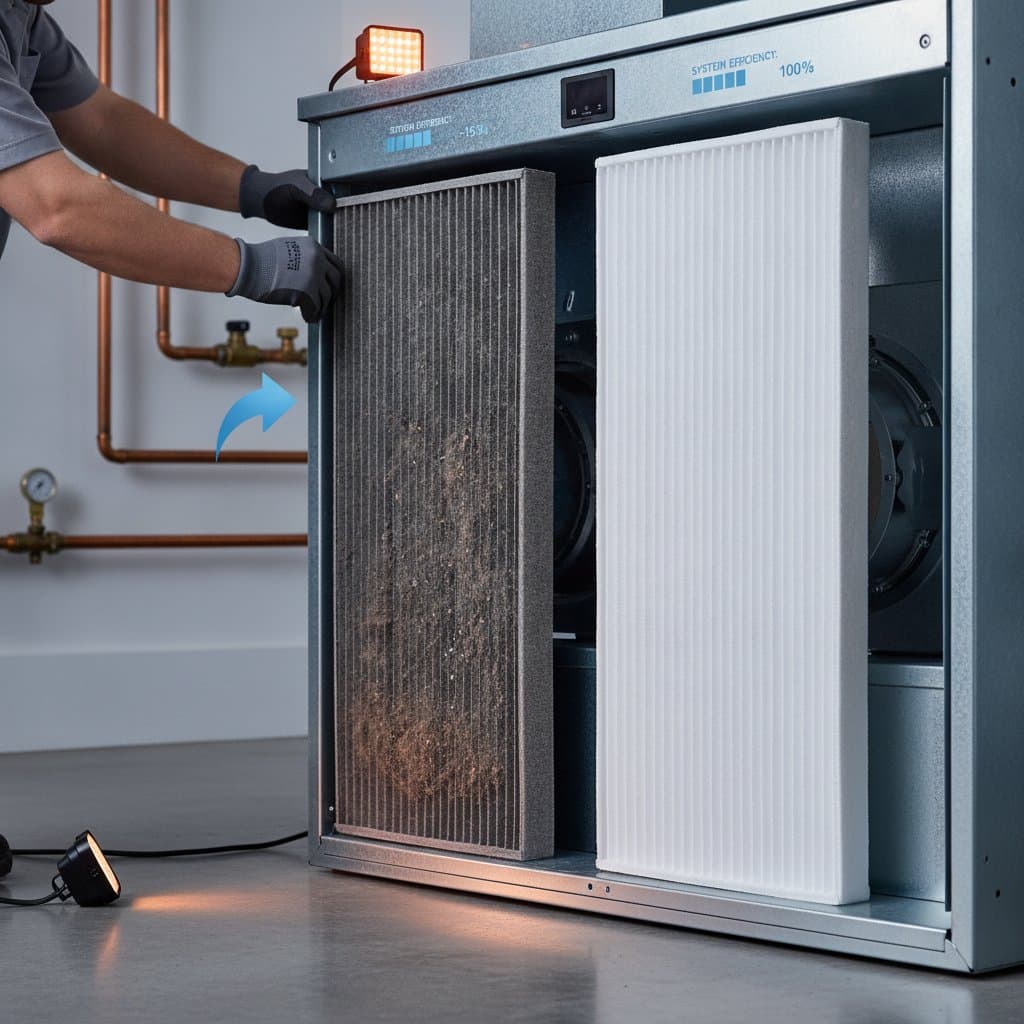
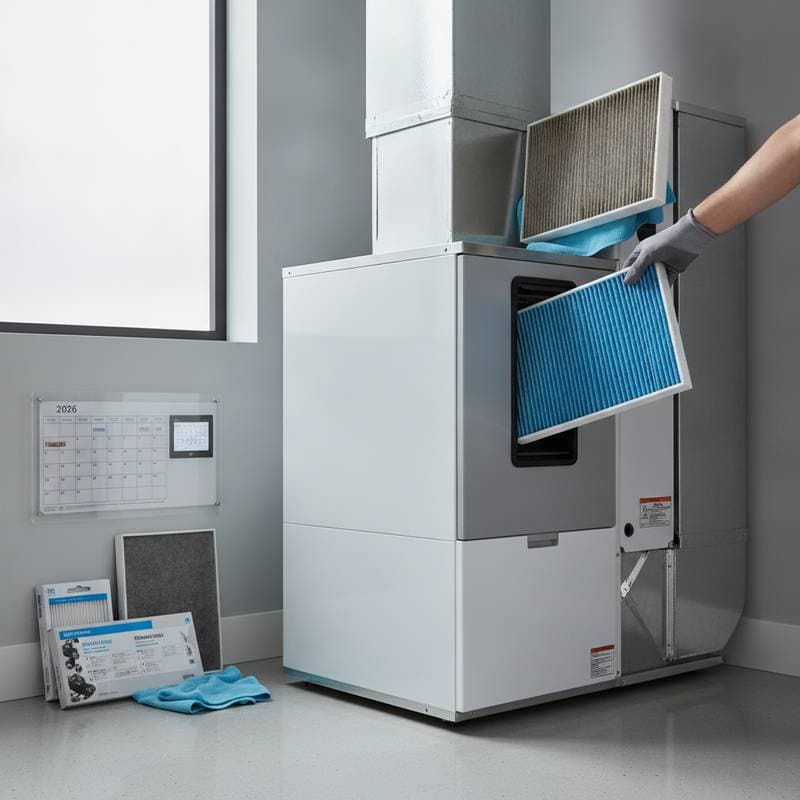
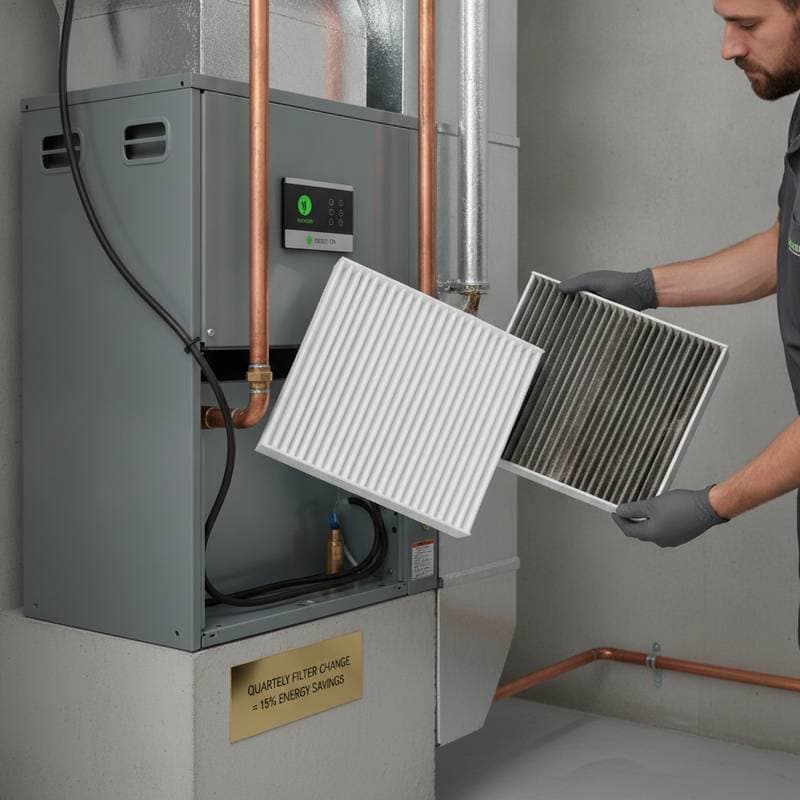
Filter prices rise with rating level. A MERV 8 unit often costs near ten dollars while a MERV 13 version exceeds twenty dollars. Replacement intervals shorten because denser media loads faster. Most systems require changes every one to three months.
Energy demand increases when airflow drops. Blower motors run longer to maintain set temperatures. Homeowners benefit from an annual inspection that verifies fan speed settings match the new filter resistance.
Filter Selection Guidance
Match the rating to system specifications. The following ranges help identify suitable options:
- MERV 1 to 4 suits older equipment that handles only large dust.
- MERV 5 to 8 offers balanced performance for typical homes.
- MERV 9 to 12 improves capture for households with pets.
- MERV 13 to 16 addresses fine particles and benefits allergy sufferers.
- MERV 17 to 20 remains reserved for medical facilities.
MERV 11 or 13 meets most residential needs without motor strain.
System Modifications for Compliance
Variable speed blowers and enlarged return ducts improve airflow capacity. A technician can calculate pressure drop across the filter and recommend adjustments. Whole house air cleaners that combine electrostatic or ultraviolet elements with high efficiency media provide an alternative path to cleaner air.
Budget and Service Planning
Filter costs range from ten to thirty dollars per change. Duct or blower upgrades may total several hundred dollars. Professional inspections average one hundred to two hundred dollars. Replacement itself requires only a few minutes and basic tools once power is off.
Issues That May Appear After Upgrade
Weak airflow from registers signals excessive restriction. Switching to a slightly lower rating or adjusting fan speed often corrects the problem. Whistling at return vents indicates pressure imbalance. Sealing duct joints and verifying vent sizing restores quiet operation.
Daily Habits That Protect Performance
Keep return grilles unobstructed. Regular vacuuming near vents reduces incoming debris. Pet owners gain from pre filters that capture hair before it reaches the main element. Smart thermostats track runtime and issue replacement reminders.
Situations Requiring Technician Support
Persistent temperature variation or rising utility costs after a filter change warrant professional evaluation. Annual coil cleaning removes dust that bypasses the filter and restores efficiency. These visits also confirm that equipment meets current performance criteria.
Optimizing System Performance Over Time
Proper filter selection combined with routine care maintains steady energy use and extends equipment life. Consistent attention to airflow and replacement schedules supports reliable comfort and lower operating costs throughout the seasons.