Fall Chimney Checks Prevent Winter Heating Emergencies
A fall chimney inspection ranks among the most effective home maintenance steps before heating season starts. It safeguards the fireplace, averts expensive fixes, and supports steady comfort during cold months. Homeowners often view a chimney as a basic vertical passage, yet the structure comprises multiple components that require coordinated function.
Schedule the Inspection in Autumn
Chimneys endure damage from weather exposure, soot accumulation, and temperature swings. Summer conditions can weaken masonry or liners, and minor fissures widen once temperatures fall. An autumn appointment leaves room for repairs ahead of regular use. Technicians also tend to have greater availability during this period.
The National Fire Protection Association advises annual inspections of chimneys, fireplaces, and vents. Autumn timing confirms readiness before the first fire.
Inspection Levels and Scope
Certified technicians apply three inspection tiers that differ in detail.
Level 1 Inspection
This basic review suits chimneys in routine service without recent alterations. The technician examines accessible elements such as the firebox, damper, smoke chamber, flue, and exterior surfaces for buildup, cracks, or obstructions.
Level 2 Inspection
Properties with heating system changes, new liners, or recent purchases benefit from this tier. It incorporates Level 1 tasks plus video scanning of the flue interior and verification of appliance connections. The level also applies after chimney fires or major storms.
Level 3 Inspection
This option involves selective removal of masonry or the chimney crown to reach concealed sections. It addresses suspected structural concerns or hidden risks.
Key Items Evaluated
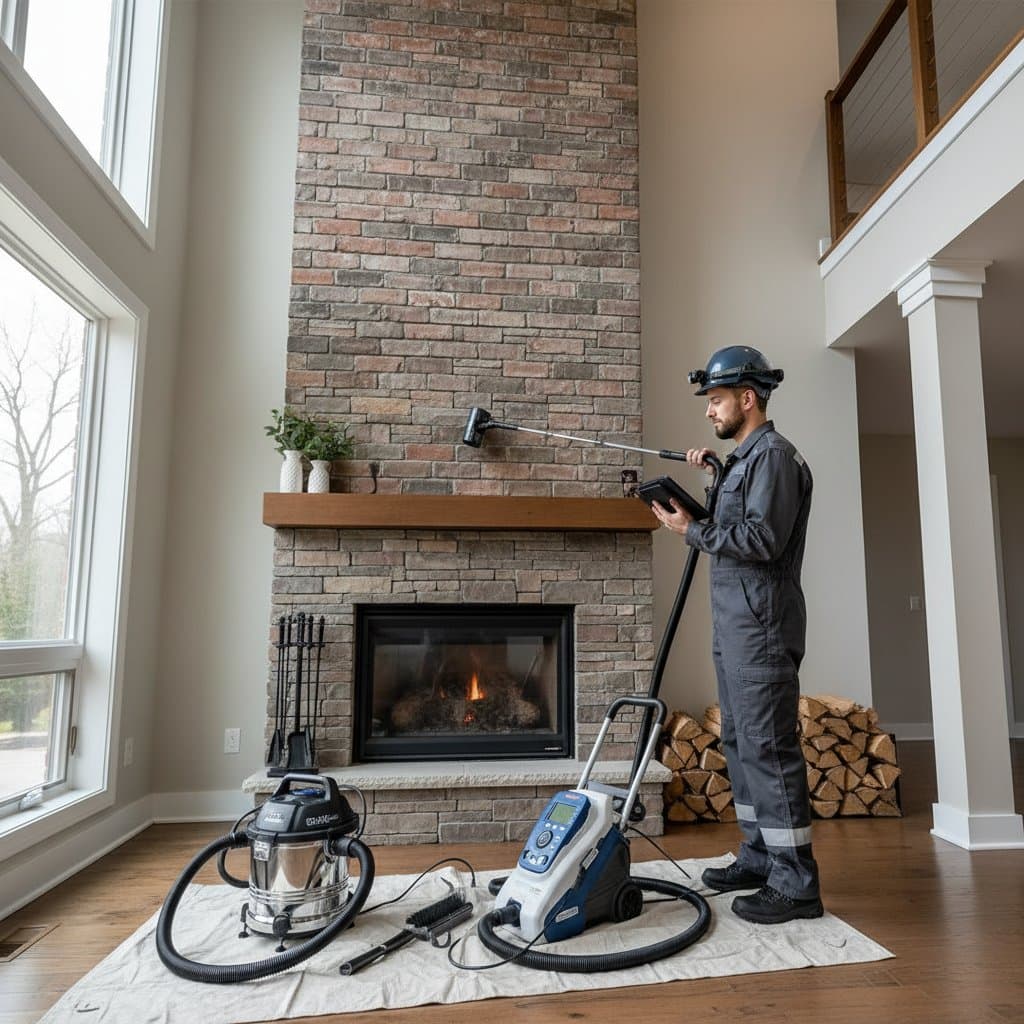
Technicians assess safety and performance factors. They measure creosote deposits, which ignite when layers exceed one eighth of an inch. Additional checks cover cracks in masonry or liners, missing caps, loose bricks, mortar deterioration, blockages from nests or debris, draft efficiency, and moisture indicators such as stains or rust.
Findings receive documentation, often with digital photos or video.
Prepare the Space
Clear furniture and rugs at least five feet from the hearth. Protect nearby surfaces with drop cloths. Keep the chimney cool by avoiding fires for twenty four hours prior. Provide attic or roof access as needed. Share service history to help track patterns.
Typical Costs and Duration
Level 1 inspections range from one hundred to two hundred dollars. Level 2 services fall between two hundred and four hundred dollars. Level 3 work can surpass eight hundred dollars. Standard checks last about one hour, with cleaning adding forty five to sixty minutes.
Follow Up Actions
Creosote removal improves airflow when buildup appears. Seasoned hardwood and hot fires limit future deposits. Masonry sealants applied after cleaning block water entry during freeze thaw cycles. Damaged caps or flashing should be replaced to prevent leaks.
Safety Measures
Poor chimney condition allows carbon monoxide release or fire hazards. Cameras and detectors locate leaks. Home smoke and carbon monoxide alarms receive verification during the visit. Gloves and masks protect against ash during personal checks. Stable ladders support exterior reviews.
Frequent Discoveries
Common issues include spalling bricks, rust on dampers, efflorescence on masonry, animal nests, and loose mortar joints. Early correction avoids larger structural expenses.
Questions for the Technician
Ask about liner condition, current creosote thickness, moisture or draft concerns, pre winter maintenance steps, and requests for before and after images.
Ongoing Care Practices
Mark the calendar for future service after the initial visit. Frequent fireplace users perform brief visual reviews mid season for debris or irregular smoke. Consistent attention maintains efficiency and supports property value.