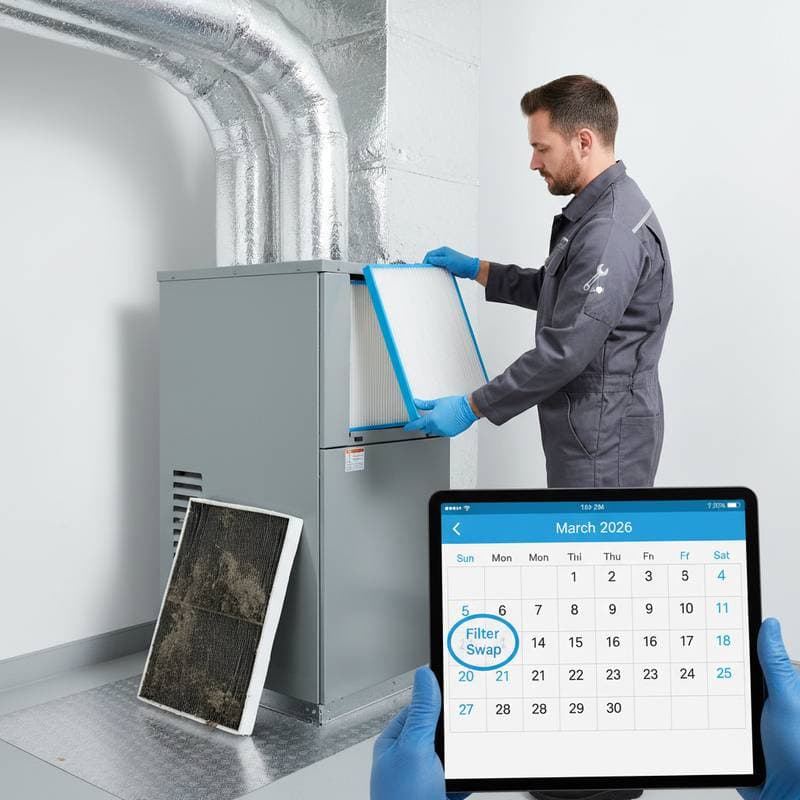
The Complete Maintenance Calendar for HVAC Filter Changes
A clean HVAC filter keeps air fresh, systems efficient, and energy bills lower. Many homeowners overlook this simple task until dust builds up or airflow weakens. A steady replacement plan turns filter changes into routine maintenance that extends HVAC life.
How Often to Change HVAC Filters
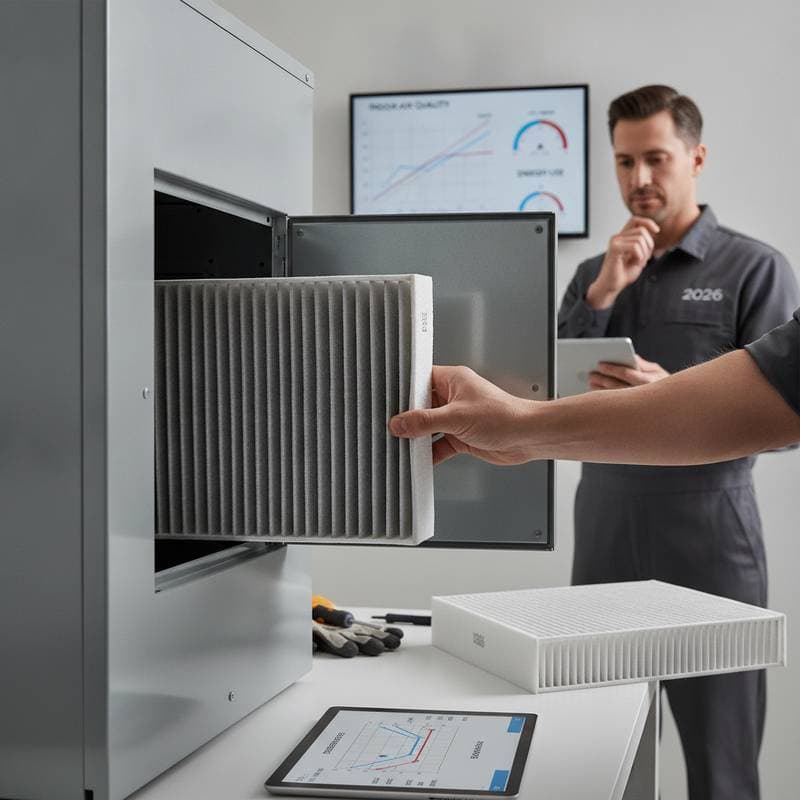
The right schedule depends on home conditions, climate, and system usage. Most standard filters require replacement every one to three months. Households with pets, smokers, or allergy sufferers often benefit from more frequent changes. High-efficiency filters last longer yet still need regular inspection.
Check the system type and filter rating before setting a schedule. Thin fiberglass filters typically need earlier replacement than pleated or HEPA models. Always follow manufacturer guidelines for correct size and type.
Mid-Season Checks Maintain Steady Efficiency
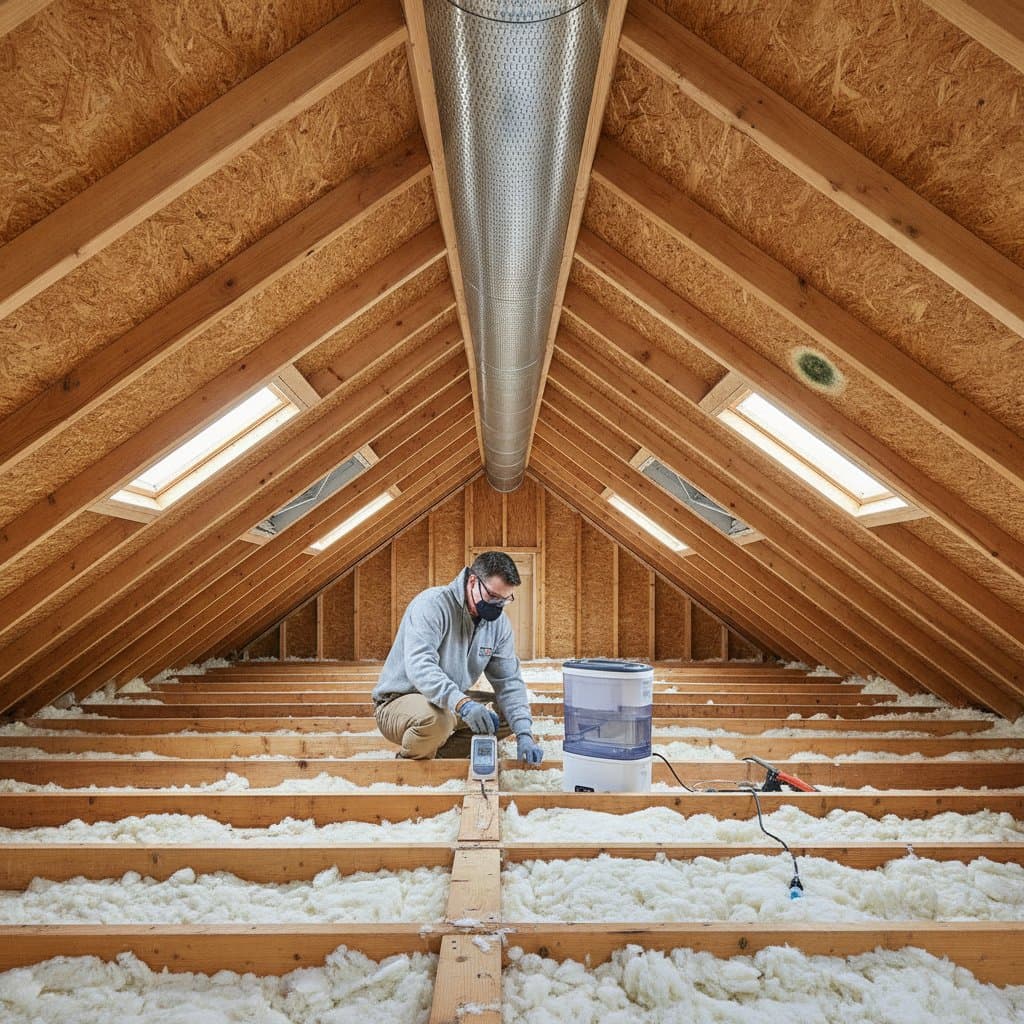
Perform a quick inspection every few months even when the filter appears acceptable. Dust and pollen levels increase during peak heating and cooling periods. Homes with heavy system use may require mid-season swaps.
- Examine the unit area for visible dust or blocked vents.
- Note any changes in airflow such as humming or whistling sounds.
- Record each replacement date in a simple log for future reference.
Phone or calendar reminders help maintain consistency. Many homeowners delay action until comfort declines. Regular prompts prevent that delay.
Situations That Require More Frequent Attention
Certain living conditions call for closer monitoring. Identifying these factors allows a schedule tailored to specific needs.
- Multiple pets produce hair and dander that clog filters rapidly. Replace filters monthly to preserve airflow.
- Allergy sufferers gain from high-efficiency filters changed on a monthly basis.
- Homes near construction sites or unpaved roads collect extra particles. Inspect filters twice each month.
- Vacation properties need inspection before each visit rather than on a fixed monthly cycle.
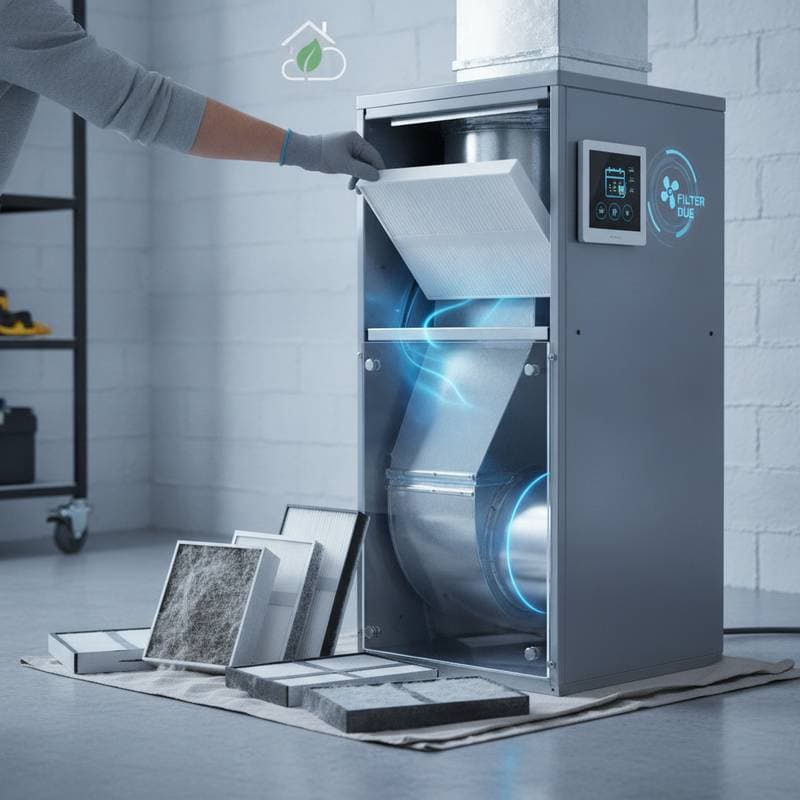
- Smart thermostats that track filter life provide precise timing through built-in alerts.
Filter Types and Associated Costs
Filter prices differ by material and dimensions. Basic fiberglass options cost little but require frequent swaps. Pleated filters cost more yet capture smaller particles. HEPA filters deliver strong filtration for sensitive spaces though they may restrict airflow if improperly sized.
| Filter Type | Average Lifespan | Common Use | Approximate Cost Range |
|---|---|---|---|
| Fiberglass | 1 month | Basic protection | Low |
| Pleated | 2 to 3 months | Standard homes | Medium |
| HEPA | 3 to 6 months | Allergy control | High |
| Washable | Up to 6 months | Eco-friendly users | Medium |
Errors That Shorten System Life
Small installation and maintenance mistakes reduce performance and air quality.
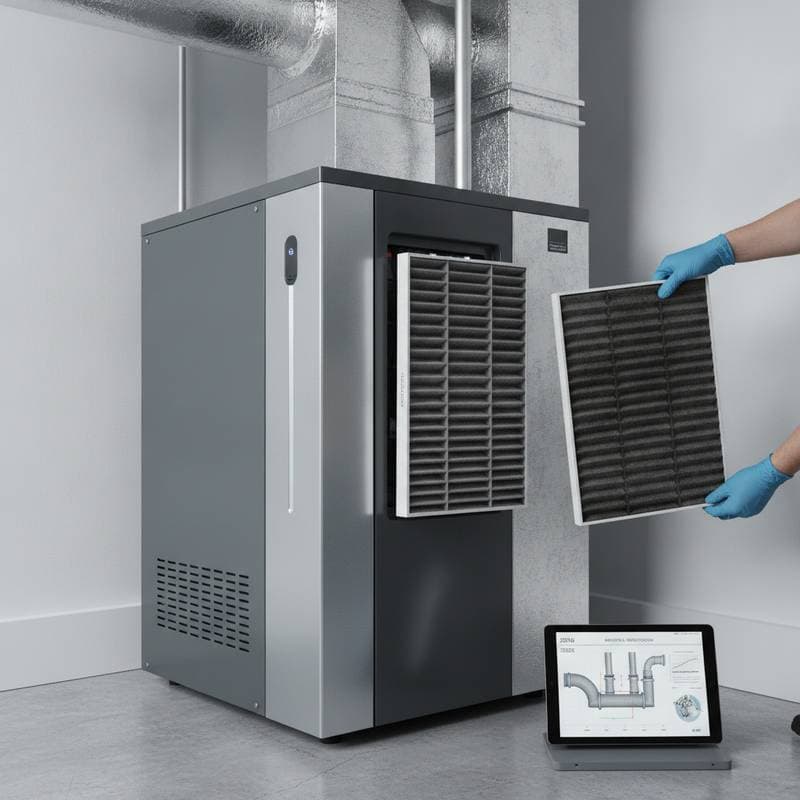
- Inserting a filter against the direction arrows restricts airflow and creates noise.
- Leaving gaps around the filter allows unfiltered air to bypass the unit.
- Skipping checks between seasons permits hidden buildup to accumulate.
- Applying excessive water pressure when cleaning reusable filters damages the mesh.
- Neglecting vent cleaning returns dust to the filter more quickly.
Attention to these details prevents problems before they affect comfort.
Benefits of Consistent HVAC Care
Following a filter replacement routine supports system reliability and efficiency. Scheduled changes reduce operating strain and help lower monthly energy costs. Cleaner air contributes to better sleep, fewer allergy symptoms, and overall home comfort.
Incorporate this maintenance approach into regular household tasks. Track each change, inspect filters at set intervals, and adjust timing to match unique home conditions. The result is cleaner air, reduced energy use, and fewer unexpected repairs.