Why Biannual HVAC Filter Changes Boost 2026 Home Air Quality
Clean air ranks among the most overlooked elements of a comfortable home. Homeowners often prioritize visible tasks such as painting, flooring updates, or landscaping, yet the air circulating through every room influences health and well-being equally. HVAC filters serve as the primary barrier against dust, pollen, and airborne pollutants. Replacing them twice annually represents a straightforward practice that elevates indoor air quality, lowers energy expenses, and prolongs the lifespan of heating and cooling systems.
How HVAC Filters Function
HVAC filters capture airborne particles as air flows through the system. Standard filters trap dust, pet dander, and lint, whereas advanced options also seize mold spores, bacteria, and smoke residues. A clean filter enables unrestricted airflow, which allows conditioned air to distribute effectively. Clogged filters restrict airflow, forcing the system to operate with greater effort and reduced efficiency.
HVAC professionals frequently liken a dirty filter to breathing through a congested nose. The system struggles to circulate air adequately, resulting in added strain on components. Over time, this pressure accelerates wear on motors and fans, potentially leading to expensive repairs. Biannual replacements maintain optimal airflow and minimize equipment stress.
Linking Filter Maintenance to Indoor Air Quality
Indoor air often harbors two to five times more pollutants than outdoor environments, as noted by the Environmental Protection Agency. Dust, pollen, and residues from cleaning products accumulate steadily. Neglected filters permit these contaminants to recirculate endlessly, which may provoke allergies, respiratory discomfort, and general fatigue.
One homeowner reported on a community forum that allergy symptoms diminished markedly within weeks of adopting biannual filter changes. Although anecdotal, this experience aligns with research indicating that cleaner filters diminish airborne irritants affecting sensitive respiratory systems. Improved air quality particularly aids children, seniors, and individuals with asthma or sinus conditions.
Rationale for Twice-Yearly Replacements in Typical Homes
A six-month replacement interval balances cost and effectiveness for most households. More frequent changes, such as monthly, prove unnecessary except in regions with intense dust or pollen levels. Annual replacements, by contrast, frequently allow filters to become obstructed. This biannual approach sustains consistent airflow and curbs contaminant accumulation.
The schedule corresponds to seasonal HVAC demands. Heating periods generate dust and lint buildup, while cooling seasons elevate pollen and mold spore presence. Installing fresh filters before each major season equips the system for high-demand operation and ensures reliable comfort.
Financial Advantages of Consistent Filter Replacement
A clean filter lowers energy consumption by up to 15 percent, based on Energy Star guidelines. Unimpeded airflow reduces the runtime required for the blower motor to achieve target temperatures. This efficiency directly reduces utility bills.
Clogged filters compel the system to labor excessively, hastening deterioration of elements like fans, belts, and motors. A single filter costs mere dollars, whereas repairing or replacing a blower motor or compressor incurs hundreds in expenses. Routine maintenance thus provides essential financial safeguards.
Selecting Appropriate Filters
Filters receive ratings via the Minimum Efficiency Reporting Value, or MERV. Higher MERV values indicate superior capture of fine particles. For standard homes, MERV ratings from 8 to 11 offer an ideal mix of filtration and airflow preservation. Residences with pets, allergy sufferers, or smokers may require higher ratings, provided the HVAC system accommodates them without impeding flow.
Filter thickness matters as well. Certain systems accept one-inch models, while others support thicker variants for extended durability. Pleated filters generally outperform flat fiberglass types in dust capture. Home improvement resources and technician demonstrations assist in pinpointing dependable brands suited to everyday use.
Handling Replacements: DIY or Professional Assistance
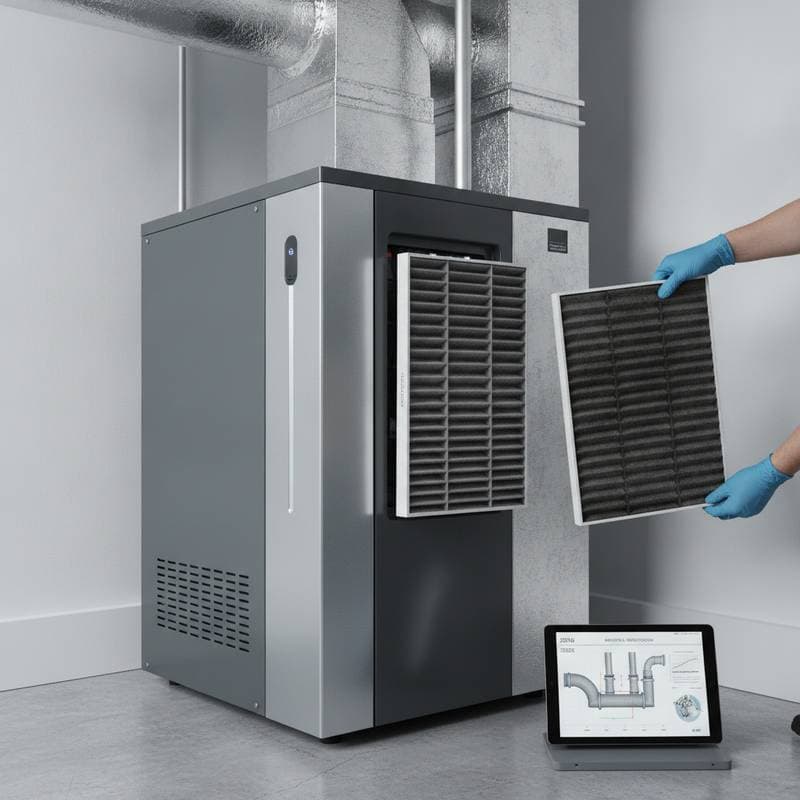
Filter replacement qualifies as a simple do-it-yourself task, typically completed in under ten minutes without specialized tools. Units feature accessible covers, and filters slide easily into place. Verify the directional arrow on the frame to align with airflow before installation.
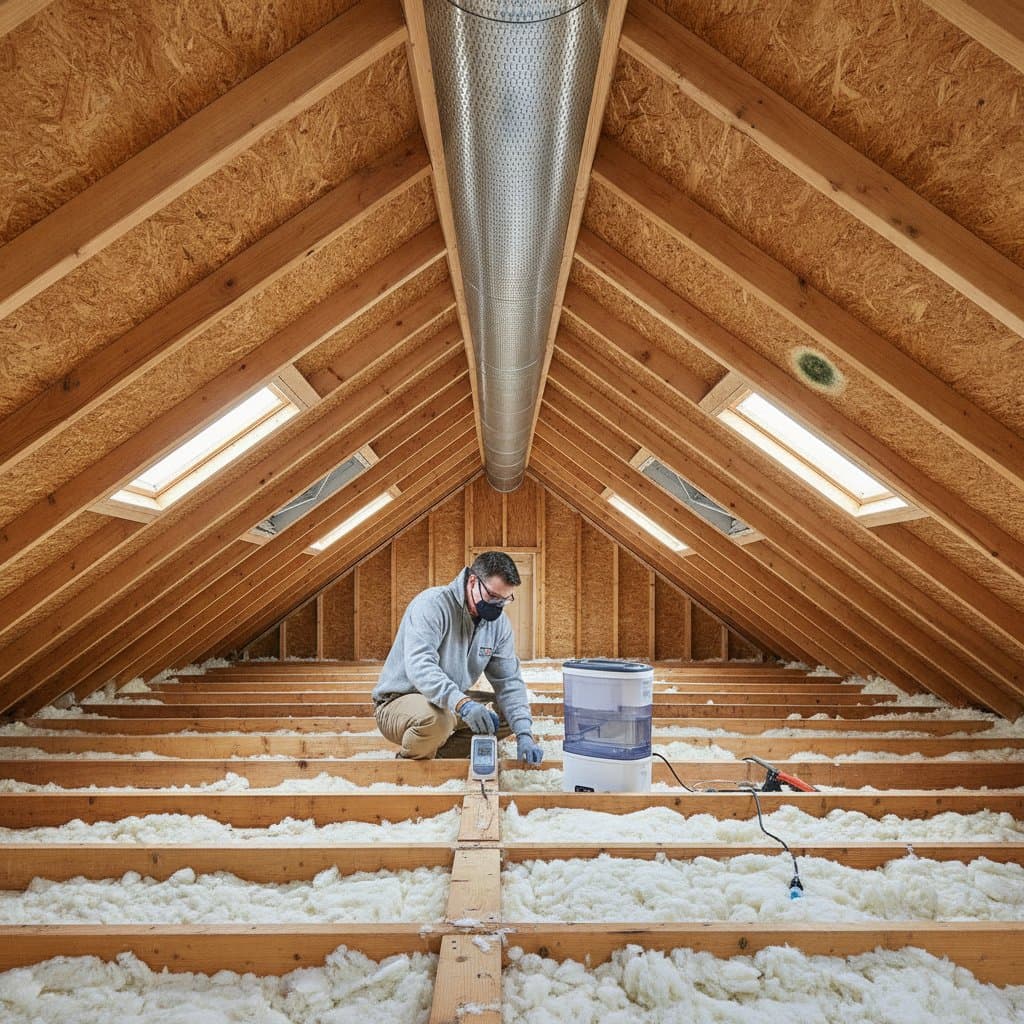
Some homeowners opt for professional service during scheduled HVAC inspections. Many providers incorporate filter changes into maintenance packages. This option suits frequent travelers or those with systems in inaccessible spots, such as attics or crawl spaces. Technicians can additionally examine ducts, coils, and vents for accumulations that compromise air quality.
Ensuring Safety and Optimal System Performance
Beyond airflow obstruction, dirty filters risk system overheating or freezing, contingent on heating or cooling operation. Such malfunctions damage critical components. Regular replacements avert these problems and sustain safe operating parameters.
In gas furnace setups, clean filters facilitate proper combustion airflow, mitigating risks of incomplete burning and carbon monoxide accumulation. Electric systems benefit from consistent temperature regulation and avoidance of short cycling with unobstructed filters.
Aligning with 2026 Indoor Air Quality Priorities
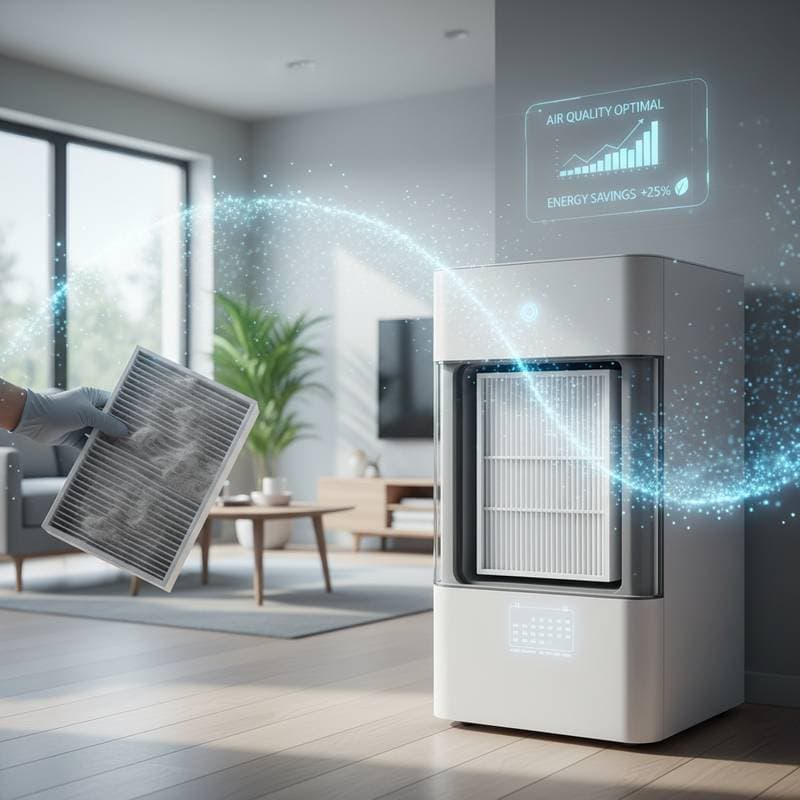
Homeowners increasingly emphasize air quality amid evolving standards. Enhanced building materials and insulation create tighter homes that retain indoor pollutants. Smart thermostats and air quality sensors now monitor particulate matter and notify users of impending filter needs.
Experts anticipate that forthcoming smart HVAC innovations will issue automated reminders or procure replacements upon detecting reduced airflow. Establishing a biannual routine today fosters habits compatible with advancing home care practices.
Sustaining Long-Term Home Comfort
Biannual filter changes, though minor, yield substantial returns in comfort, economy, and reliability. Fresh filters preserve air freshness, safeguard equipment, and curb energy loss.
Program spring and fall reminders via phone or calendar applications. Stock spare filters to eliminate delays. Combine this practice with vent and register checks to confirm unobstructed pathways.
Through diligent biannual maintenance, homeowners elevate living environments. Cleaner air enhances daily health, systems operate with peak efficiency, and seasonal comfort remains assured.