Greywater Systems Can Recycle 60 Percent of Indoor Water Use
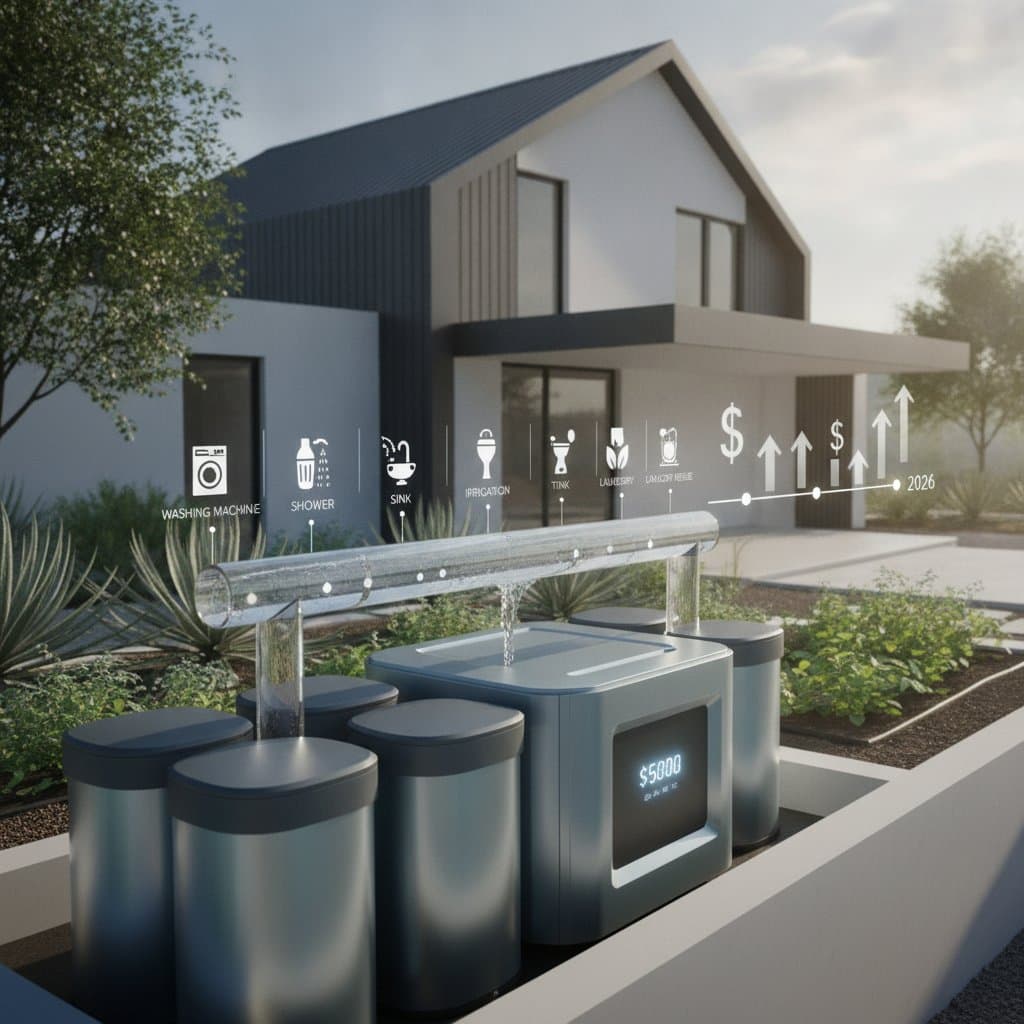
Greywater systems capture water from showers, sinks, and laundry machines for reuse in landscape irrigation. This approach reduces demand on municipal supplies while lowering monthly utility expenses. Homeowners gain both environmental and financial advantages when the setup matches their property conditions.
Factors That Influence Project Costs
Several variables determine the final price of a greywater installation. Pumped and filtered systems demand extra labor, components, and wiring. Homes with plumbing access near exterior walls require less excavation and therefore cost less to retrofit.
Clay soils often need specialized emitters or modified drainage layouts to prevent pooling. Local building departments may require plan reviews or inspections that increase the budget. Licensed plumbers or greywater specialists typically charge between seventy five and one hundred fifty dollars per hour.
Homeowners on community forums report that simple laundry to landscape projects completed without professional help stay under one thousand dollars. Full professional installations that include permits and site restoration frequently exceed eight thousand dollars.
Installation Steps for Homeowners
A successful project begins with a clear assessment of available water sources. Laundry machines, showers, and bathroom sinks supply the majority of reusable greywater. Kitchen drains are usually avoided because of grease and food particles.
Next, select irrigation zones that contain non edible plants such as shrubs and ornamental trees. Gravity fed designs work well on sloped sites and keep expenses low. Pumped systems provide greater placement flexibility when the landscape sits above the house.
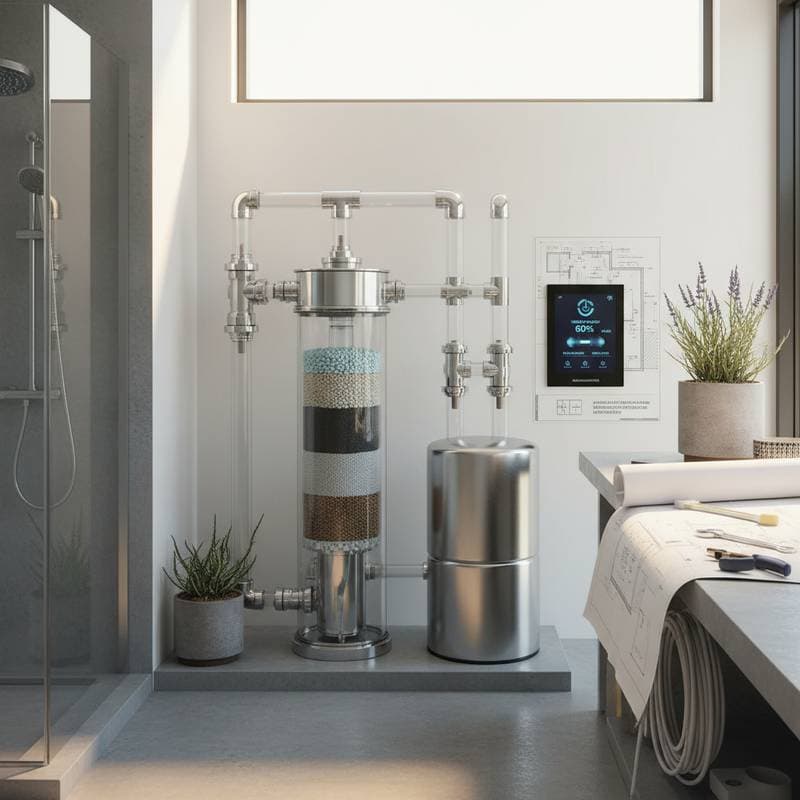
Install a diverter valve so water can bypass the system during maintenance or heavy rain. Run distribution pipes to mulch basins or subsurface beds that disperse water evenly. Optional filters capture lint and soap residue before the water reaches plants.
After assembly, test every connection for leaks and adjust outlets until flow is balanced across all zones. Most mid sized residential projects require one to three days when a licensed crew performs the work.
Routine Maintenance Requirements
Filters need monthly cleaning to maintain flow and water quality. Irrigation outlets should be inspected for clogs at the same interval. Annual maintenance expenses typically range from fifty to three hundred dollars depending on system complexity.
Avoid bleach, fabric softeners, and conventional detergents that can damage vegetation or clog components. Biodegradable, low salt soaps protect both the system and the plants it serves.
Addressing Common Operational Issues
Stagnant water near outlets often produces odors. Regular line flushing and verification of drainage slopes resolve most cases. Clogged filters respond to monthly cleaning and timely replacement.
Uneven coverage improves when outlet spacing is adjusted or pressure compensating emitters are added. During storms, confirm that diverter valves remain closed and overflow paths stay clear.
Protecting Long Term Performance
Seasonal inspections combined with dated maintenance records keep the system reliable. Store permits and installation diagrams in an accessible location for future reference. Notify any plumbing contractor about the greywater layout before major work begins.
These practices allow the system to deliver consistent water savings and landscape support for many years.