Solar Roof Costs Drop as Technology Goes Mainstream
Solar roofs combine power generation with standard roofing protection. Homeowners now see lower prices as production scales and designs improve. This article covers current pricing, cost drivers, and steps to plan an installation that fits a typical household budget.
Current Pricing Overview
Average installed costs for solar roofs range from 25 to 45 dollars per square foot in 2026. A 2,000 square foot roof often totals between 50,000 and 90,000 dollars before incentives. These figures include both the energy producing shingles and the labor required for a weather tight finish.
Prices have fallen roughly 15 percent over the past three years. Larger manufacturers have reduced material costs while certified installers have shortened project timelines. Regional labor rates and roof complexity still create noticeable differences from one project to the next.
Factors That Shape Final Cost
Several elements determine the total investment. Roof size and pitch affect material quantities and safety requirements. Complex angles or multiple dormers increase labor hours.
- Shingle type: Monocrystalline options deliver higher output but cost more upfront than thin film alternatives.
- Underlayment and flashing: Premium membranes add durability yet raise the base price.
- Electrical upgrades: Older service panels may need replacement to handle new output levels.
- Removal of existing roofing: Tear off fees vary by number of layers and disposal rules.
Home orientation and local sunlight hours also influence system size. South facing surfaces require fewer shingles to meet the same energy target.
Installation Sequence
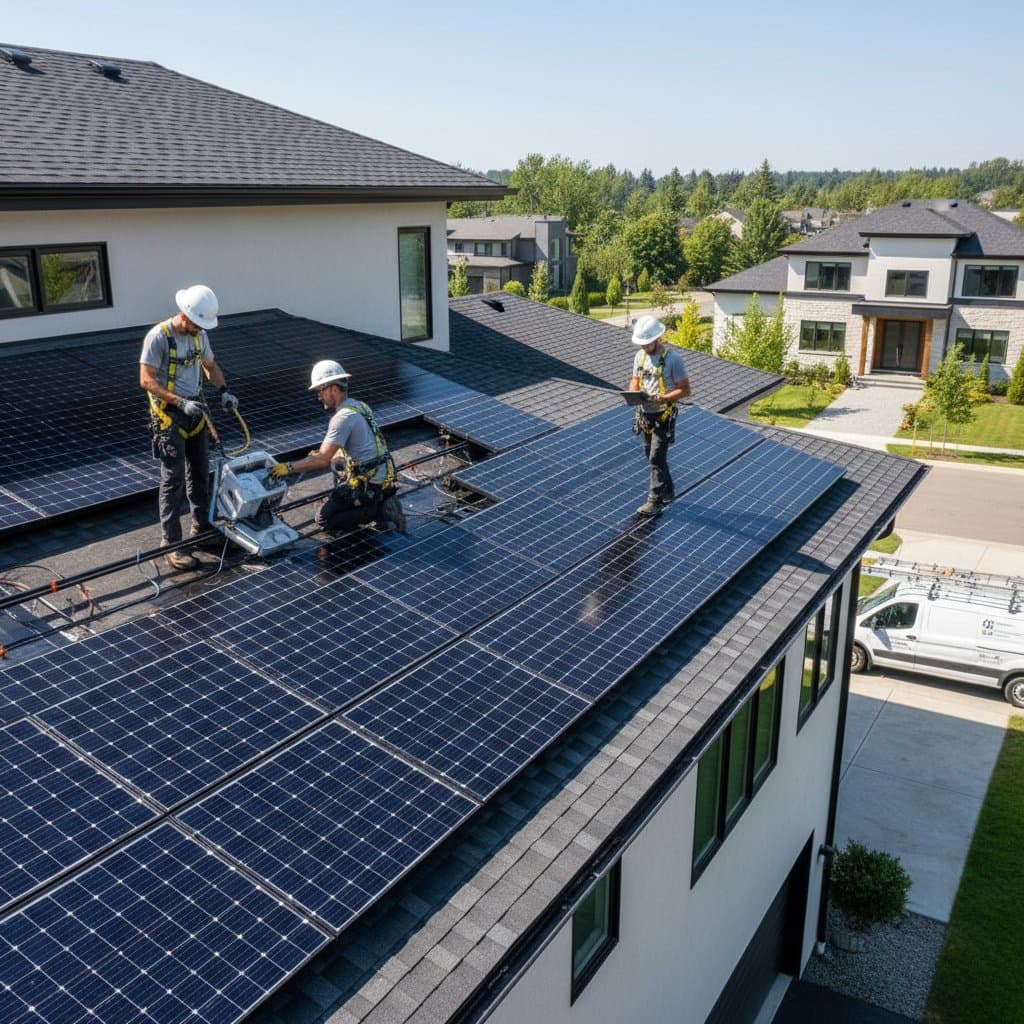
A typical project follows a clear order. First the crew removes old shingles and inspects decking. Next they install new underlayment and flashing around valleys and penetrations.
Solar shingles are laid in the same pattern as conventional products. Each row connects to the next through integrated wiring channels. Once the array is complete, the inverter and monitoring equipment are mounted and tested.
Most residential jobs finish in five to eight working days when weather cooperates. Larger or steeply pitched roofs may require additional time for staging and safety setups.
Incentives and Payback
Federal tax credits currently cover 30 percent of qualified expenses. Some states add rebates or low interest financing that further reduce net cost. Net metering policies allow excess power to offset future utility bills.
A well sized system often recovers its out of pocket expense within eight to twelve years. After that point the home produces largely free electricity for the remaining life of the roof, commonly 25 years or longer.
Planning and Budget Tips
Obtain at least three detailed proposals from certified installers. Compare line items for materials, labor, and electrical work rather than accepting a single lump sum.
Review roof condition before signing a contract. Replacing decking at the same time as the solar roof avoids future disruption and added mobilization fees.
Track local permitting timelines. Some jurisdictions require structural engineering letters that extend the overall schedule by several weeks.
Long Term Value Considerations
Solar roofs increase resale appeal for buyers who value lower operating costs. Appraisers increasingly recognize the added energy production as a permanent home improvement.
Maintenance remains modest. Occasional cleaning and annual electrical checks keep output near original levels. Warranties on both shingles and inverters commonly extend 20 to 25 years, protecting the investment against early failure.