Understanding Home Battery Systems for Backup and Savings
Power outages disrupt modern households, whether from severe weather, grid instability, or scheduled maintenance. These events risk spoiling food, halting heating or cooling, and damaging sensitive devices. Home battery storage systems provide a dependable solution by maintaining power to essential circuits, allowing homeowners to sustain daily routines and protect investments.
Selecting the right system requires evaluating costs alongside benefits for energy independence. Factors such as capacity and integration options influence both initial expenses and ongoing value. This guide outlines key considerations to inform your decision-making process.
Core Functions of Home Battery Systems
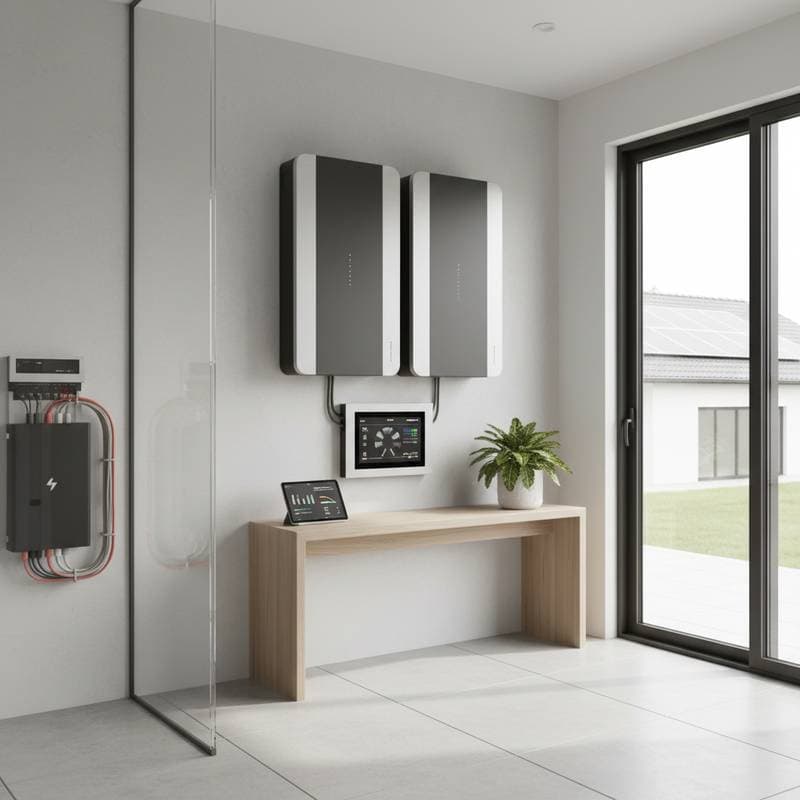
Home battery systems capture and store electrical energy for later use. They charge from solar panels during daylight or from the grid during off-peak hours when rates remain low. The stored energy then powers the home during blackouts or high-demand periods.
Systems operate in two primary modes. First, they activate automatically during grid failures to supply backup power to prioritized loads. Second, they optimize energy use by discharging stored power when utility rates peak, thereby lowering overall consumption costs.
Pairing batteries with solar installations maximizes efficiency, though standalone units still offer robust protection for grid-connected homes. This versatility appeals to homeowners seeking both reliability and economic advantages.
Pricing Overview for Home Battery Installations
Home battery costs fluctuate based on system scale, manufacturer, and setup complexity. A basic unit providing several hours of essential power typically ranges from $10,000 to $15,000, including installation. Comprehensive systems capable of sustaining a full household for a full day may exceed $20,000.
Expenses encompass the battery modules, inverters for energy conversion, professional labor, potential electrical modifications, and diagnostic tools. Homeowners with pre-existing solar arrays benefit from reduced outlays, as compatible components already exist.
Industry analyses indicate that labor accounts for approximately 20 percent of the total. Additional fees for panel upgrades or regulatory permits often add $1,000 to $3,000, varying by locale and project scope.
Factors Shaping System Expenses
Battery Capacity
Capacity, expressed in kilowatt-hours (kWh), dictates outage endurance. Standard setups deliver 10 to 15 kWh, sufficient for refrigeration, lighting, and basic outlets in average homes. Larger residences or those with high-draw appliances like air conditioners require 20 to 30 kWh. Greater storage directly correlates with elevated pricing.
Battery Technology
Lithium iron phosphate (LFP) batteries lead residential applications due to their durability and low upkeep compared to lead-acid alternatives. These units command a premium but deliver over a decade of service. Nickel-manganese-cobalt (NMC) options provide compactness for space-limited installations, though they experience quicker degradation with frequent use.
Solar Integration
Adding storage to an established solar array may necessitate inverter compatibility checks or replacements. Purpose-built solar-plus-battery configurations enhance performance and streamline costs. Evaluate your current setup to determine necessary adaptations.
Installation Requirements
Certified electricians handle placement to comply with safety codes. Older homes might require panel enhancements for adequate capacity. Mounting location and wiring extensions influence labor charges.
Advanced Controls
Premium models feature app-based monitoring, automated scheduling, and peak-shaving algorithms. These tools adjust usage patterns to minimize bills, justifying the incremental expense through tangible efficiencies.
Regional Influences
Local utility tariffs, climate conditions, and rebate programs impact affordability. Incentives from states or providers can offset up to 30 percent of costs, making systems more accessible in supportive areas.
Weighing DIY Versus Professional Setup
While some attempt self-installation to curb expenses, professional services predominate for complex systems.
DIY Approach
- Reduces labor fees by several thousand dollars.
- Demands expertise in electrical principles.
- Risks warranty invalidation and coverage gaps.
- Poses hazards without proper permitting and oversight.
Professional Approach
- Guarantees adherence to regulations and secure operation.
- Preserves full warranty terms for components and workmanship.
- Completes in one to two days with thorough testing.
- Configures monitoring for ongoing reliability.
Industry professionals emphasize that expert installation safeguards against failures, particularly during critical outages.
System Longevity and Cost Implications
Lifespan hinges on battery type, ambient conditions, and cycle frequency. Lithium systems endure 8 to 15 years before notable capacity loss, often backed by warranties for 4,000 cycles.
Extreme heat or humidity accelerates wear; optimal placement in cooled, shaded spots mitigates this. Built-in thermal management sustains performance across seasons.
Calculate value by dividing upfront costs by projected cycles, yielding 20 to 30 cents per kWh. This metric frequently undercuts peak grid pricing, enhancing financial returns.
Determining Backup Duration
Runtime varies with battery size and load demands. A 10 kWh system supports a fridge, router, and lights for roughly 24 hours under minimal use. Including HVAC shortens this period considerably.
Focus on essential circuits to extend coverage affordably. Solar coupling recharges batteries daily, prolonging off-grid capability during extended events.
Ongoing Maintenance Practices
Batteries demand little daily attention, yet proactive care preserves efficiency.
- Maintain a dust-free, moisture-free environment around the unit.
- Review app notifications for anomalies.
- Verify unobstructed airflow.
- Simulate outages periodically to confirm functionality.
Annual professional checks, costing $100 to $200, inspect connections, update firmware, and assess cooling systems, averting costly repairs.
Leveraging Incentives for Affordability
Qualifying for federal tax credits, utility rebates, or grid-support payments substantially lowers net costs. Time-of-use plans amplify savings by deploying stored energy during premium hours, potentially trimming bills 10 to 20 percent.
Solar-battery hybrids capture surplus generation, avoiding low-value grid exports. Analysts note this pairing elevates energy self-sufficiency beyond 50 percent.
Prioritizing Safety in Deployment
Properly managed systems pose minimal risks despite high energy density.
- Ensure adequate ventilation to dissipate heat.
- Secure units against physical hazards.
- Position away from combustibles.
- Select UL 9540-certified products.
Assess home wiring for load compatibility. In flood-prone or hot regions, opt for elevated or enclosed installations.
Advancing Sustainability
Batteries ease grid strain by offsetting peak loads. Solar integration promotes renewable utilization around the clock, curbing fossil fuel reliance and enhancing network stability.
Recycling initiatives reclaim materials like lithium and cobalt, with many brands incorporating end-of-life programs into warranties.
Selecting and Implementing Your System
Prioritize capacity matching your needs, robust warranties, and seamless integrations. Trusted providers include Tesla Powerwall, LG Chem, Enphase, and Panasonic, known for support networks.
Key pre-purchase inquiries:
- What kWh level covers my critical appliances?
- Is my solar inverter battery-ready?
- What does the warranty entail?
- Which installers earn high local ratings?
Solicit bids from certified vendors to benchmark pricing and scope.
Safeguarding System Performance
Regular firmware updates and vigilant monitoring prevent downtime. Address rapid discharge or non-response promptly via installer channels.
Supplementary surge protectors or load managers, at modest cost, shield against overloads and extend system viability.
Realizing Enduring Advantages
Investing in home batteries yields sustained protection, bill reductions, and environmental contributions. These systems fortify homes against disruptions while fostering energy autonomy. Homeowners who integrate them early position themselves for resilient, cost-effective living amid evolving grid challenges.