Understanding Greywater Reuse
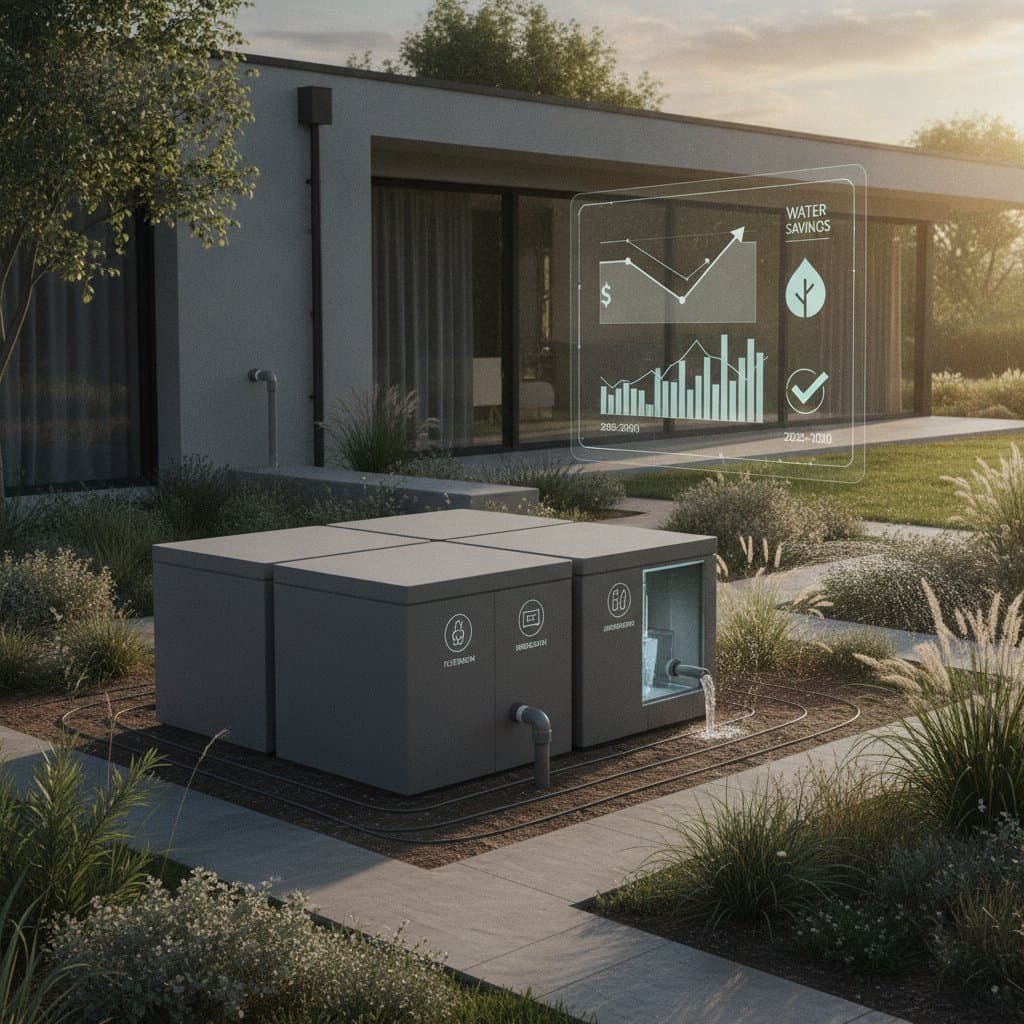
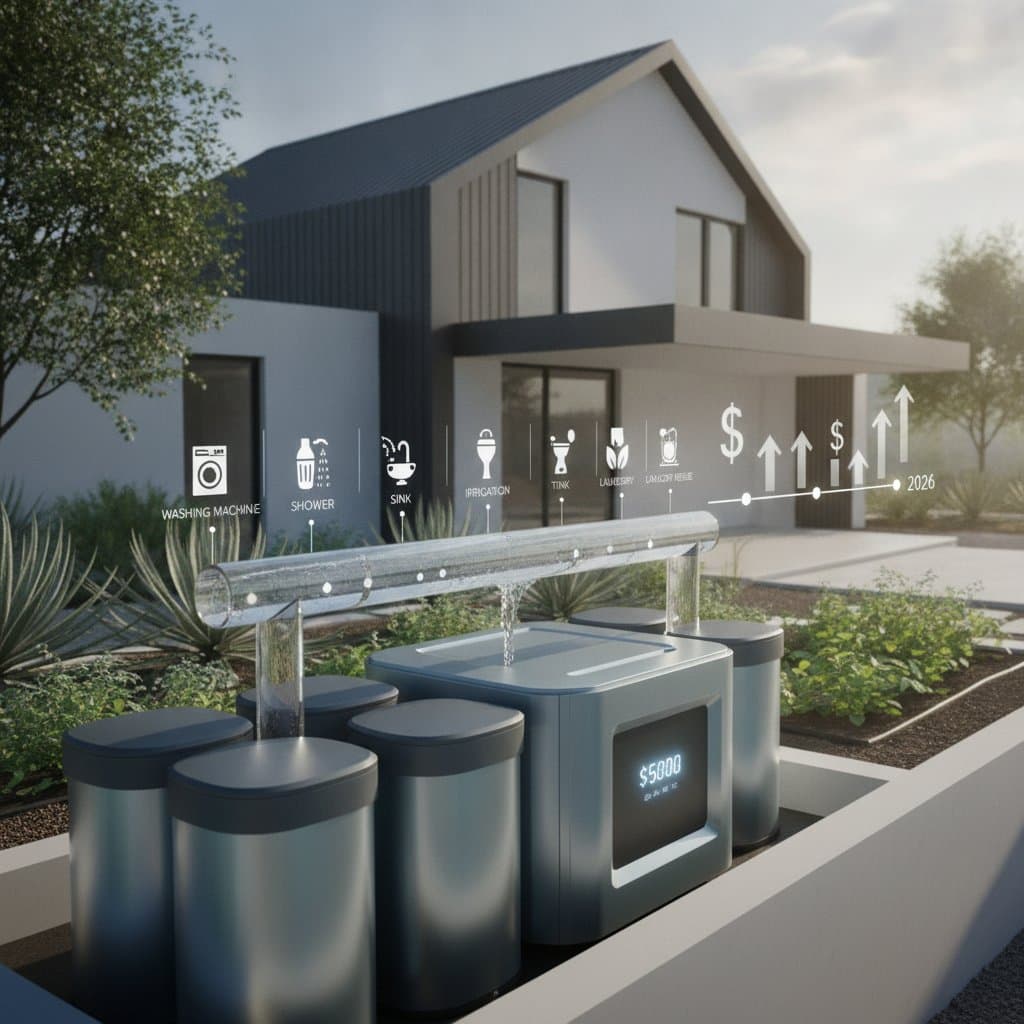
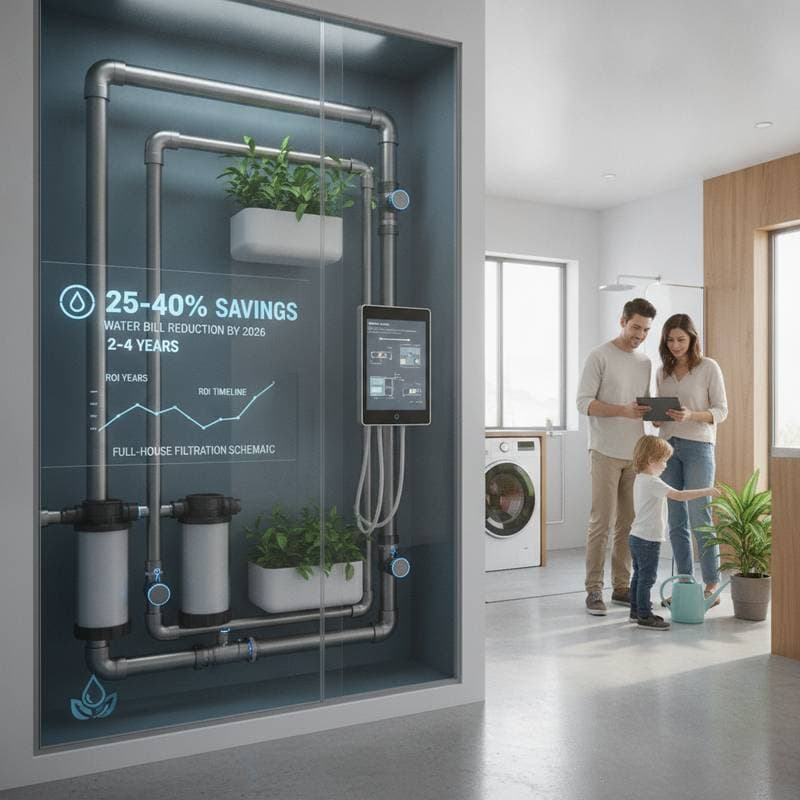
Greywater systems capture water from showers, sinks, and washing machines for reuse in irrigation or toilet flushing. This approach reduces demand on municipal supplies while lowering monthly utility expenses. Homeowners typically achieve 25 to 40 percent reductions in water bills after installation.
Proper planning begins with an assessment of household water output. Measure daily flows from each fixture to determine the most suitable collection points. Local codes dictate permitted uses and required setbacks from property lines.
Basic Skills for a Successful Build
Installers need comfort with cutting and joining PVC pipe, checking slope with a level, and interpreting plumbing regulations. These competencies allow safe routing of lines without backflow risks. Gravity systems demand consistent two percent slopes to maintain flow.
When Professional Installation Makes Sense
A licensed plumber or greywater specialist becomes essential when connecting multiple drains, adding pumps, or linking systems to irrigation timers. Professionals verify code compliance and prevent cross contamination. Labor rates range from 80 to 150 dollars per hour. Small projects finish in one or two days, while larger setups may require up to one week.
System Options and Expected Performance
| System Type | Description | Ideal Use | Key Measurements | Typical Savings |
|---|---|---|---|---|
| Laundry to landscape | Collects washing machine discharge for direct garden irrigation | Small yards | 1 inch pipe at 2 percent slope | 5000 to 15000 gallons yearly |
| Branched drain | Routes several fixtures through gravity lines | Medium homes near garden space | 1.5 to 2 inch pipes | 10000 to 25000 gallons yearly |
| Filtered storage | Adds tank, filter, and pump for indoor or large scale reuse | Toilet flushing or extensive irrigation | 50 to 300 gallon tanks | 15000 to 40000 gallons yearly |
Maintenance Requirements and Service Life
A correctly maintained system operates for 15 to 20 years. Annual upkeep costs fall between 50 and 150 dollars, covering filter cleaning and valve inspection. Pumps generally require replacement every 8 to 10 years at 200 to 400 dollars.
Monthly filter cleaning and valve checks keep lines clear. Quarterly line flushing prevents sediment buildup. Annual tank and seal inspections confirm continued performance. Skipping these steps can lower efficiency by as much as 30 percent.
Accessibility and Efficiency Upgrades
Accessible shutoff valves placed 18 to 24 inches above ground simplify operation for all users. Color coded labels distinguish greywater lines from potable lines. Soil moisture sensors automate irrigation timing and conserve additional water. These features add 150 to 500 dollars yet improve long term usability.
Practical Ways to Control Project Costs
Reuse existing plumbing runs where layout permits. Select gravity designs to eliminate pump expenses. Mulch basins replace buried drip tubing for simpler irrigation. Washable filter cartridges reduce recurring purchases. Scheduling greywater work alongside other plumbing projects minimizes repeated labor charges.
Starting Your Greywater Project
Measure daily water volumes from target fixtures first. Identify reuse locations that match garden needs or indoor demands. Review local permitting steps before purchasing components. These initial actions establish a clear path to reliable savings and resource conservation.