AI Schedules That Simplify Your Home Maintenance
A home contains numerous systems that require regular attention. Filters clog over time. Batteries lose power. Grout develops cracks. These issues often lead to weekend repairs that proper timing could have prevented. Most homeowners overlook maintenance not from neglect but from the challenge of tracking multiple intervals. Artificial intelligence addresses this gap by predicting needs and generating tailored schedules.
This guide covers how predictive maintenance tools operate, the elements they monitor, the financial advantages they deliver, and the balance between automated alerts and manual checks. Readers will learn practical methods to apply these systems for consistent home performance.
Why Maintenance Timing Affects Longevity
Regular upkeep prevents small problems from escalating into major expenses. A water heater flushed annually can operate nearly twice as long as an unmaintained unit. HVAC systems with filter changes every 90 days achieve up to 15 percent greater efficiency. Accumulated tasks frequently result in emergency repairs that cost more than scheduled service.
AI schedulers resolve timing inconsistencies. They record data across appliances and systems, compare usage against established benchmarks, and issue alerts ahead of failures. Homeowners receive a single interface instead of separate calendars for each component.
How Predictive Maintenance Systems Function
These tools integrate sensor inputs, usage records, and algorithmic forecasts. The application builds a profile based on home age, layout, and equipment specifications.
A standard implementation follows these steps:
- Create a home profile with square footage, appliance brands, and system details such as HVAC capacity.
- Connect compatible devices including thermostats, leak sensors, and energy monitors.
- Apply predictive models that align household data with performance norms from comparable properties.
- Generate checklists for monthly or seasonal tasks along with cost estimates.
- Refine predictions after each completed or postponed task.
The schedule adapts to specific patterns. Frequent dishwasher use triggers earlier filter reminders. Extended travel periods shift outdoor maintenance accordingly.
Tasks Managed by AI Tools
Applications track both digital records and automated device actions across several areas.
Climate Control
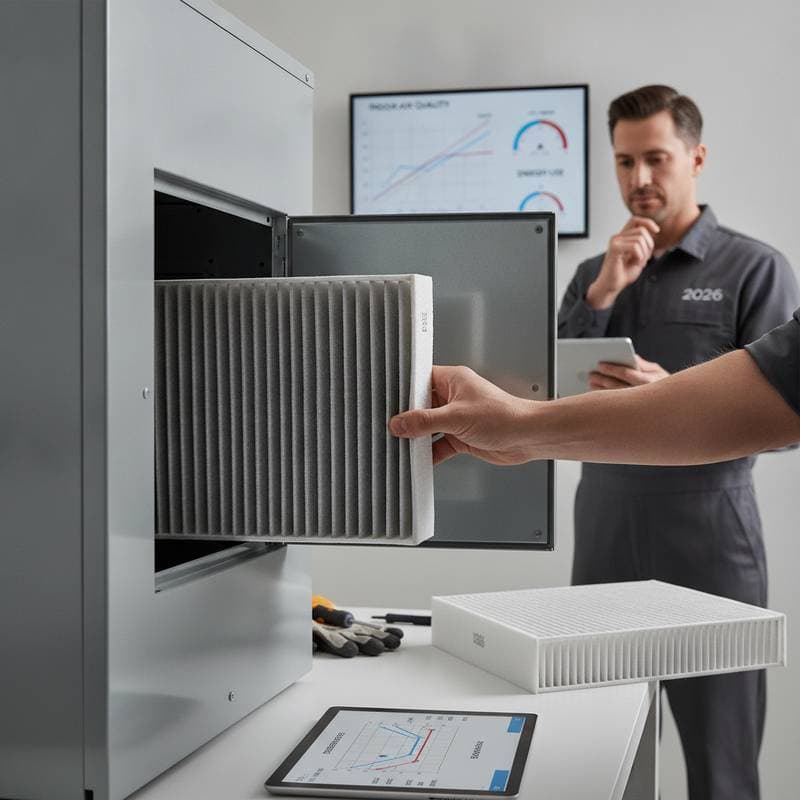
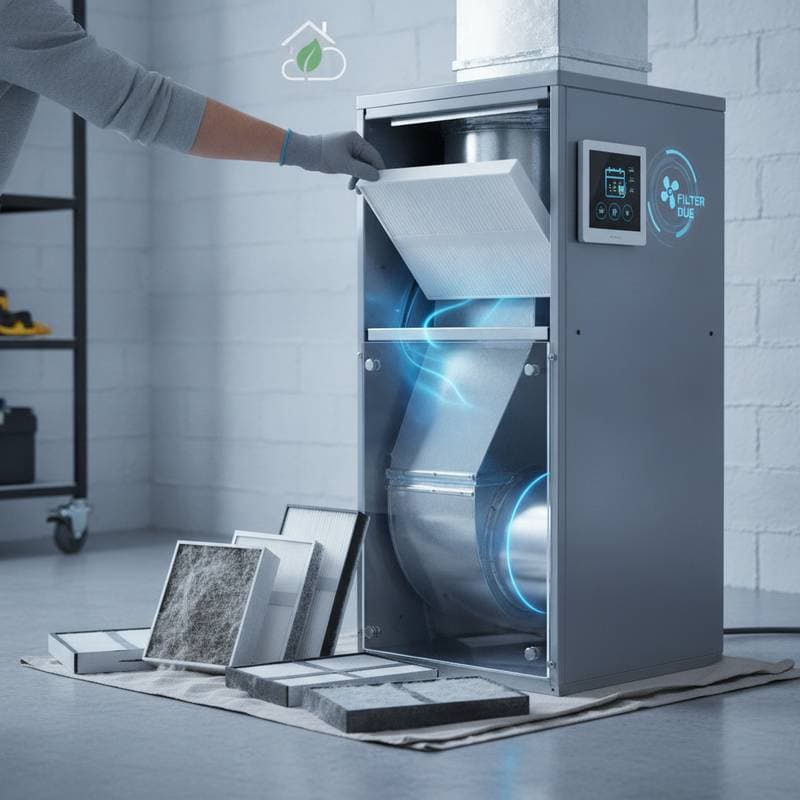
- Adjust HVAC filter intervals between 60 and 90 days according to measured airflow.
- Notify users when coil performance falls below 80 percent efficiency.
- Determine duct cleaning frequency from pressure readings.
Water and Plumbing
- Detect pressure variations that indicate early leaks.
- Recommend water heater flushing once sediment reaches 0.25 inches.
- Monitor sump pump operation and battery condition.
Household Appliances
- Schedule refrigerator coil cleaning based on compressor activity.
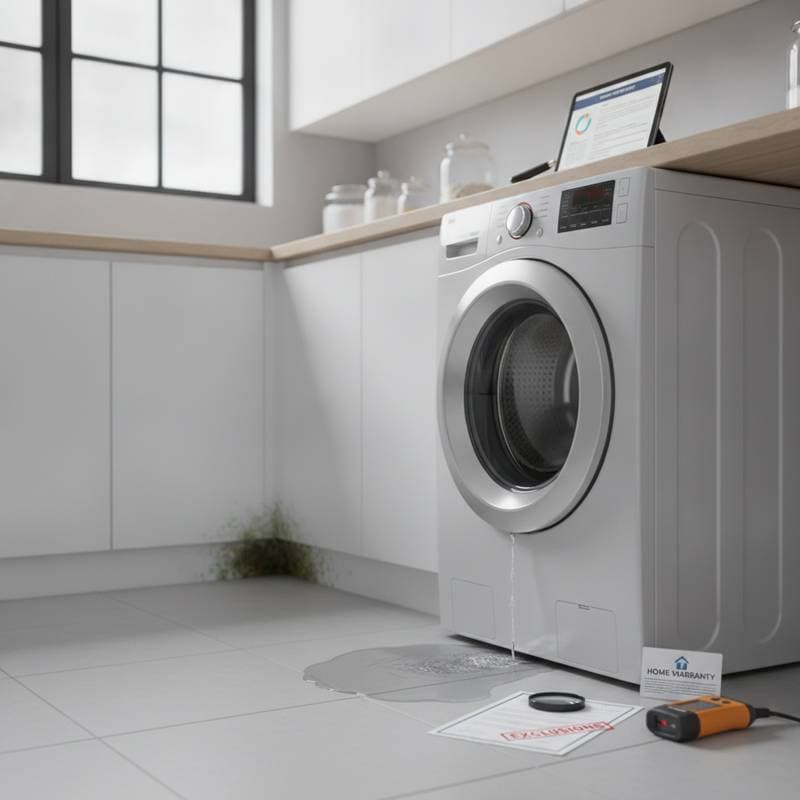
- Set washing machine hose replacement prompts at the five to seven year mark.
- Record dryer vent cleaning using humidity data.
Building Exterior
- Forecast gutter cleaning after periods of heavy foliage using weather records.
- Time deck resealing according to suitable temperature and humidity conditions.
- Track roof age and suggest inspections at 24 to 36 month intervals.
Safety Equipment
- Set smoke detector battery checks at six month intervals.
- Identify expired fire extinguishers or first aid items.
- Verify alarm connections through security system integration.
Available Application Options
| Application | Primary Capabilities | Target User | Pricing |
|---|---|---|---|
| AI Home Manager | Smart device integration, automated alerts, supply reordering | Owners with multiple connected systems | 10 to 25 dollars monthly |
| HomeCare Planner | Manual entry options, detailed reports, email notifications | Users with minimal smart equipment | Free basic tier, 8 dollars monthly premium |
| PredictiveFix | Model specific repair estimates, contractor connections | Households seeking professional coordination | 12 to 20 dollars monthly |
| SmartRoutine | Voice assistant support, energy monitoring, visual summaries | Speaker device users | 10 dollars monthly |
Selection depends on desired automation level. AI Home Manager suits those who prefer minimal intervention. HomeCare Planner offers greater manual oversight for users who verify tasks directly.
Frequent Setup Errors
Even advanced systems require consistent user input to maintain accuracy. Common issues include repeated overrides that distort future predictions, incomplete appliance data during initial setup, reliance solely on sensors without visual confirmation, and failure to update profiles after equipment changes.
When to Use Professional Services
AI output identifies timing but does not substitute for specialized skills. Simple actions such as hardware tightening or coil vacuuming remain suitable for direct handling. Electrical work, gas line adjustments, and roof repairs require licensed contractors.
Apply a 30 minute guideline for DIY decisions when tasks avoid wiring, gas, or pressurized systems. Applications often include directories for local providers when tasks exceed basic capability.
Financial and Operational Advantages
Proactive care reduces annual repair costs by approximately 25 percent according to industry observations. Efficient systems also lower energy consumption. HVAC calibration can decrease cooling expenses by 10 to 15 percent. Clean dryer vents shorten cycle times by nearly 30 percent. Consistent gutter service protects against foundation damage that may reach thousands of dollars.
Support for Varied User Needs
Maintenance planning can present challenges for individuals with mobility limitations or busy schedules. Many platforms incorporate voice commands, enlarged text options, and text or email summaries that reduce navigation requirements. Shared household accounts allow automatic task distribution among family members.
Essential Manual Tools
Keep these items available for quick response:
- Adjustable wrench for minor plumbing adjustments
- Cordless drill with bit set for fixture tightening
- Voltage tester for outlet safety checks
- Ladder rated for at least 250 pounds
- Digital moisture meter for humidity assessment
Putting Predictive Tools to Work
Begin with a complete home profile and connect available sensors. Review the first generated schedule and adjust for personal routines. Update the system after any equipment replacement. Consistent use converts scattered maintenance into a reliable pattern that preserves home value and reduces unexpected expenses.