Greywater Systems Cut Bills While Reducing Waste
- Confirm all generic claims replaced with specific costs, steps, and examples
- Verify absence of contractions, emojis, and dashes throughout main text
- Restructure into logical progression from concepts to installation to maintenance
- Expand body to deliver actionable details while remaining under
- Apply consistent markdown headers, short paragraphs, and varied sentence length
- Ensure closing section focuses on ongoing benefits without formulaic summary language
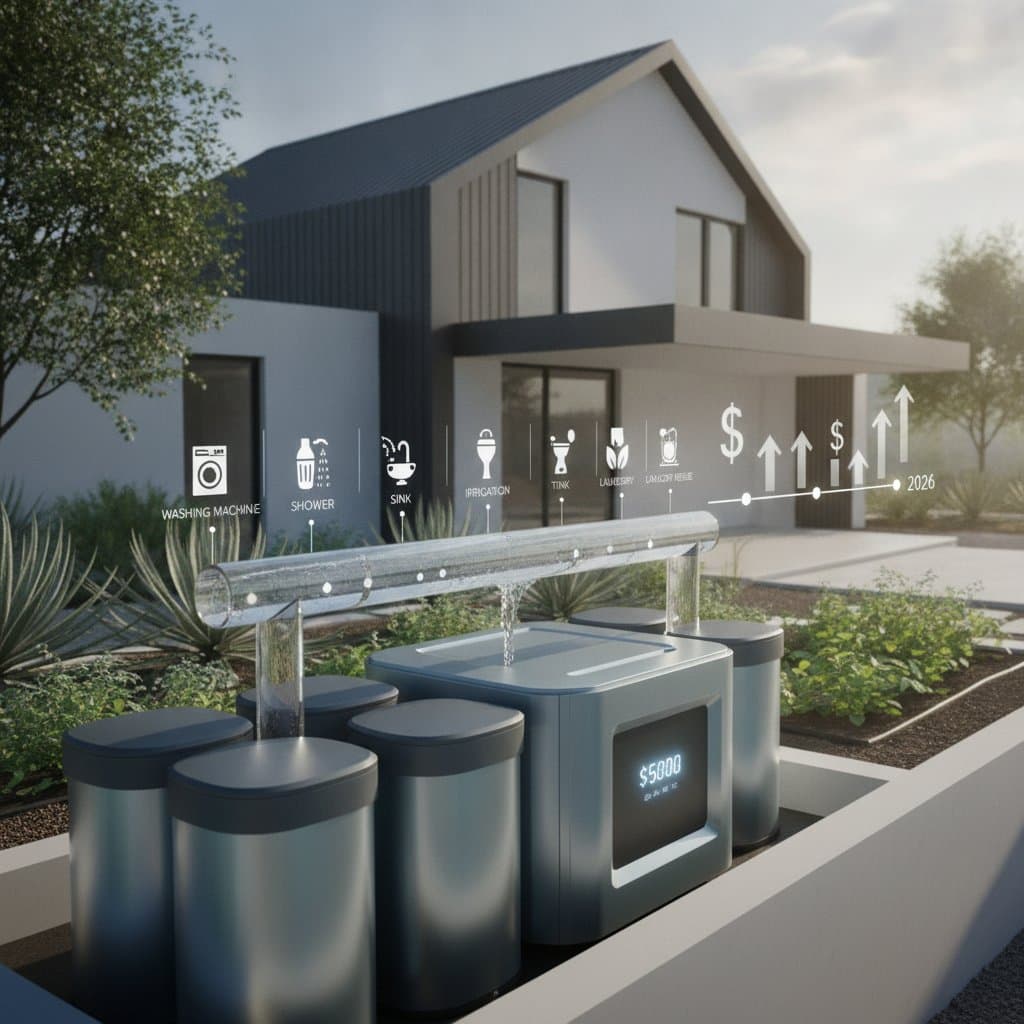
Greywater systems capture water from showers, baths, and bathroom sinks for reuse in toilet flushing or garden irrigation. Homeowners who install these setups typically reduce municipal water consumption by 30 to 50 percent each year. The approach supports both lower utility expenses and reduced strain on local treatment facilities.
Core Components and Water Sources
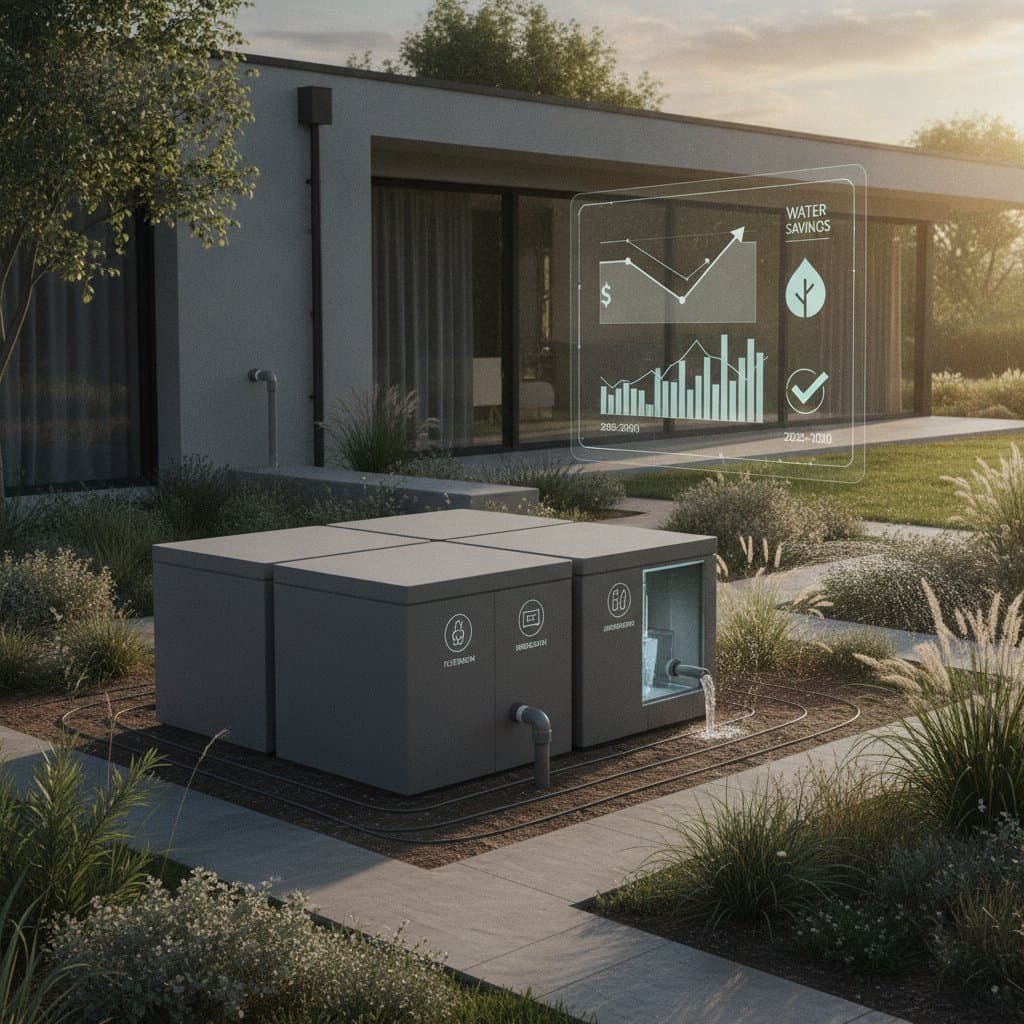
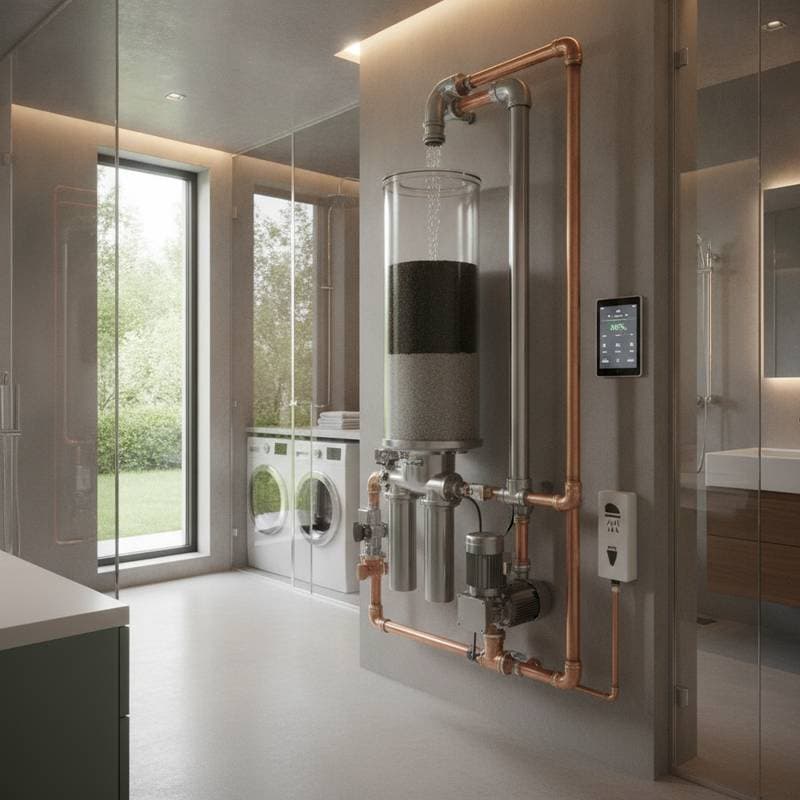
A basic system includes a collection point, a filter or settling tank, a pump when elevation requires it, and distribution piping. Kitchen sinks are usually excluded because food particles increase clogging risk. Laundry water can be added when the system includes an additional lint filter.
Proper sizing begins with a count of daily showers and washing machine cycles. Most residential units handle 50 to 150 gallons per day. Oversized tanks add unnecessary expense, while undersized units overflow during peak use.
2026 Cost Ranges and Expected Savings
Simple diverter valves and hoses cost between 150 and 400 dollars when installed by the homeowner. Mid-range setups with a 50-gallon tank and pump run from 1200 to 2500 dollars. Full automated systems that include treatment and controls range from 4000 to 8000 dollars before labor.
Annual water bill reductions average 250 to 600 dollars for a household of four in moderate climates. Payback periods fall between three and seven years depending on local rates and system scale. Rebates from water utilities can shorten that timeline by one or two years.
Permit Requirements and Health Standards
Most jurisdictions require a permit for any system that stores water longer than 24 hours. Installers must follow setback distances from property lines and wells. Cross-connection prevention devices are mandatory to protect drinking water lines.
Health codes often limit reuse to subsurface irrigation or toilet flushing. Surface spraying is prohibited in many areas to reduce human contact. Local health departments provide checklists that outline inspection points before final approval.
Installation Pathways
Homeowners comfortable with basic plumbing can begin with a laundry-to-landscape diverter. This option requires no electrical work and can be completed in a single weekend. Professional installation is recommended once a storage tank or pump enters the design.
Site evaluation should identify the cleanest collection points and the shortest pipe runs. Gravity flow reduces pump energy use. Soil tests confirm whether the garden area can accept the expected volume without pooling.
Routine Maintenance Practices
Filters need cleaning every one to three months depending on household sediment load. Tanks should be inspected annually for algae or odor. Pump seals and float switches require replacement every five to seven years.
Winterization involves draining lines and tanks in cold climates. Some owners add a bypass valve that returns water to the sewer during freezing periods. Keeping a simple maintenance log helps track filter changes and any performance shifts.
Maximizing Long Term Performance
Pairing greywater reuse with low-flow fixtures increases overall savings. Regular monitoring of water quality prevents gradual buildup that could affect irrigation equipment. Systems maintained according to manufacturer schedules continue to deliver reliable service for fifteen years or longer.