Battery Backup Panel Costs: What Homeowners Pay
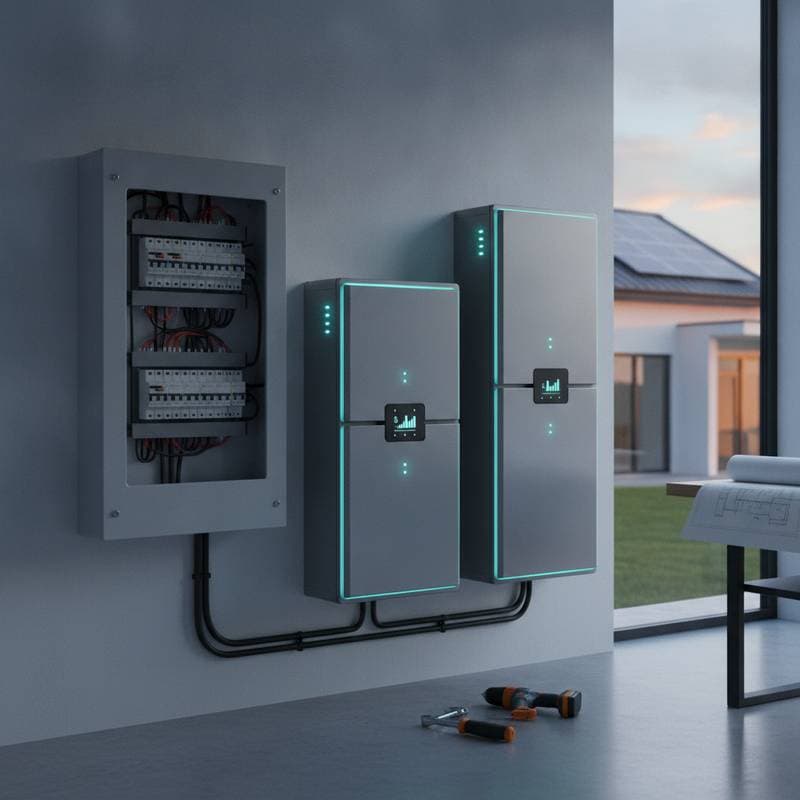
When the power goes out, every homeowner wants lights, refrigeration, and essential systems to keep running. A battery backup panel stores electricity for use during outages. These systems have grown more common as weather events and grid issues increase reliability concerns. Understanding costs, pricing breakdowns, and influencing factors helps homeowners plan effectively.
Average Cost of a Battery Backup Panel
A complete battery backup panel setup for most homes costs between $6,000 and $16,000. This range depends on battery type, size, and installation complexity. Smaller systems that power only essential circuits start around $4,000. Whole-home setups that support larger appliances and HVAC equipment reach $20,000 or more.
Labor and electrical upgrades represent a significant portion of the total. Labor accounts for 20 to 30 percent of system cost on average. Homes that require a new main electrical panel or rewiring add $1,500 to $3,000 in expenses.
Key Factors That Affect Pricing
Every installation differs, and several elements determine final cost.
- Battery capacity is measured in kilowatt-hours and determines runtime. A 10 kWh battery typically supports key circuits for about one day. Doubling capacity nearly doubles the cost.
- System type affects integration options. Some panels work with solar arrays while others store grid energy only. Hybrid solar-plus-battery setups cost more upfront yet reduce long-term energy expenses.
- Brand and technology influence pricing. Leading options from Tesla, Enphase, and LG Energy Solution include mobile apps and smart load management. These premium systems cost 10 to 25 percent more than basic units.
- Installation complexity varies by home condition. Older wiring or limited panel space often requires upgrades. Outdoor placements may need weatherproof conduits and extra labor.
- Local codes and permits add several hundred dollars. Homeowners should confirm requirements with the building department before work begins.
Cost Breakdown Example
A mid-range home backup system includes the following components.
- One 10 kWh lithium battery: $6,000
- Smart transfer panel: $1,200
- Labor and wiring: $2,000
- Permits and materials: $400
The estimated total reaches $9,600. Upgrading to a 20 kWh system or adding solar integration raises the figure closer to $15,000. Pricing varies by region, so multiple quotes provide the clearest picture.
Professional Installation Requirements
Battery backup panel installation involves high-voltage electrical work and code compliance. Licensed electricians should handle the full process. Skilled homeowners may prepare certain areas, yet final connections require professional oversight.
Difficulty rating stands at 4 out of 5. Professional installation takes one to two days. Mistakes during DIY work can damage equipment or void warranties. Professional setups meet electrical codes that support insurance coverage and future resale value.
When Electrical Panel Upgrades Become Necessary
Older homes often have panels rated below 200 amps. This rating can limit compatibility with modern battery systems. Signs that an upgrade may be needed include frequent tripped breakers, buzzing or heat from the panel, and corrosion or outdated fuse systems.
Panel upgrades cost $1,500 to $4,000 depending on size and location. The added expense improves safety and prepares the home for future technology additions.
Battery Technology Comparison
Lithium-ion batteries dominate the market due to efficiency and lifespan. They typically last 10 to 15 years under normal conditions. Lead-acid batteries cost less upfront yet require more maintenance and offer shorter service life. Saltwater batteries provide a safer, eco-friendly alternative, though they remain less common.
Lithium-ion options deliver the best balance of performance, durability, and space efficiency for most households. Homeowners focused on sustainability may select saltwater models despite slightly higher initial costs.
Available Incentives and Long-Term Savings
Many utility companies and local governments offer rebates for battery backup systems. These incentives range from $500 to $3,000. Some areas also provide tax credits for energy storage projects. Smart load management lowers energy bills by storing power during off-peak hours and discharging it when rates rise.
Maintenance Practices for Long-Term Performance
Battery backup systems require minimal maintenance yet benefit from annual inspections. Homeowners should keep the area around the panel clean and dry, check connections for corrosion, and update firmware on smart models. Monitoring apps track performance and flag issues early.
A properly installed and maintained battery backup panel delivers reliable power for many years. The investment provides energy independence along with increased property value.