2026 Costs for Battery Backup Without Solar Panels
Homeowners seeking energy independence or reliable emergency power now evaluate standalone battery backup systems more closely. These units store electricity for use during outages or peak demand without any connection to solar panels. A clear grasp of equipment prices, installation fees, and ongoing maintenance supports sound purchasing decisions.
Battery Backup Cost Fundamentals
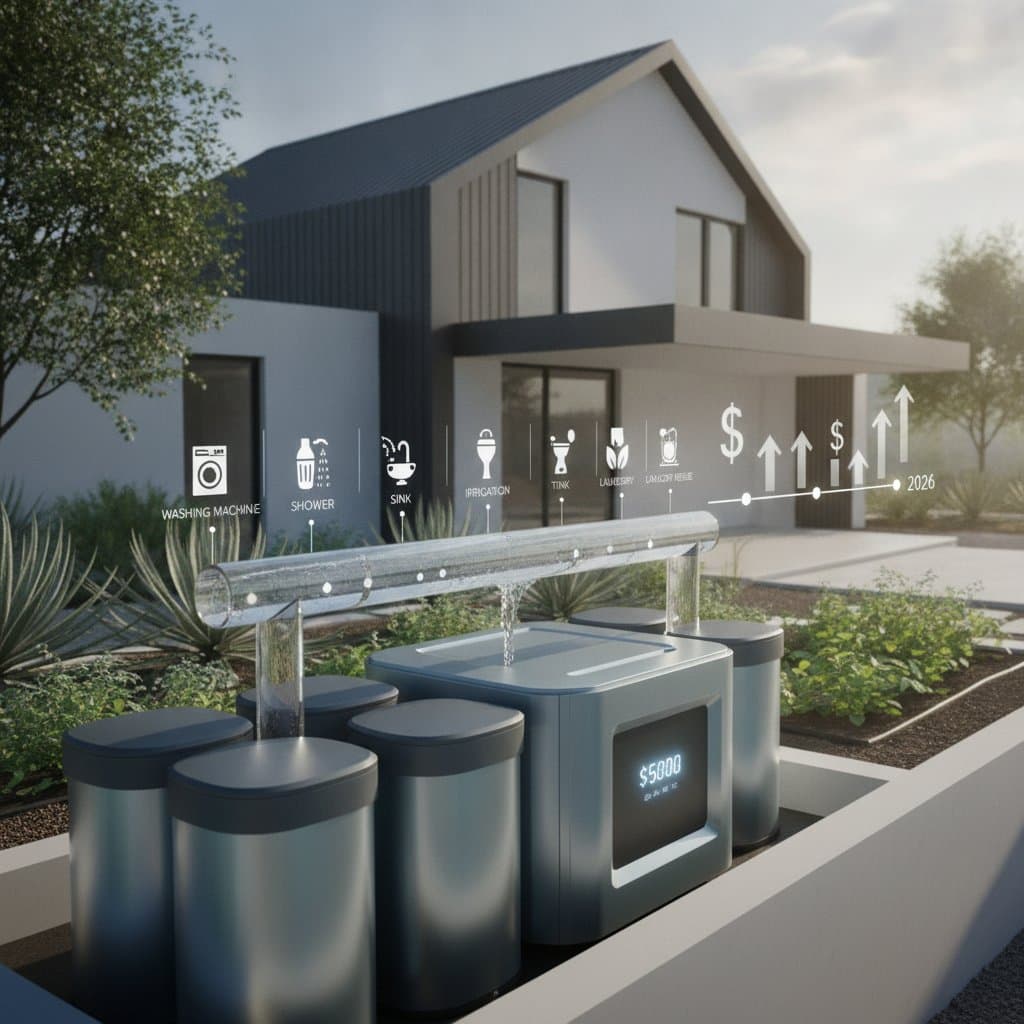
National averages place a complete home energy storage system without solar between 5000 and 15000 dollars. The final amount depends on storage capacity, chosen brand, and site specific installation needs. Lower priced units handle essential appliances during brief interruptions. Higher priced units sustain full household loads for longer periods.
National Average Pricing Benchmarks
A typical mid range system that stores 10 to 15 kilowatt hours usually totals around 9000 dollars once installed. This price covers the battery, inverter, wiring, and labor. Premium lithium ion units such as the Tesla Powerwall or LG Chem RESU reach 12000 to 15000 dollars per installed unit.
Energy systems engineer David Kerr notes that many buyers focus only on the battery itself. Installation quality, required electrical upgrades, and warranty terms frequently add at least 20 percent to the base price.
Regional Price Variations Across Different Markets
Labor rates, permit fees, and supply chain differences create regional price gaps. West Coast markets often run 10 to 20 percent above the national average because demand remains high. Regions with lower labor costs or simpler permitting processes frequently deliver installations near the bottom of the quoted range.
Seasonal or Cyclical Pricing Fluctuations
Prices can rise during peak demand months when utility rates climb or after major storms increase interest in backup power. Installers sometimes offer discounts during slower periods to maintain steady workloads. Manufacturers also release limited rebates that lower the final purchase price.
Pricing Models and Structures
Installers present several pricing structures. Buyers who understand each model can compare proposals with greater accuracy.
Hourly labor rates range from 75 to 150 dollars depending on certification level. Larger firms favor flat fees that bundle hardware, wiring, and commissioning into one figure. Per unit pricing scales directly with capacity, so a 5 kilowatt hour system starts near 5000 dollars while a 15 kilowatt hour system exceeds 13000 dollars. Some providers offer subscription leases for 100 to 300 dollars per month that include monitoring and service.
Service Tiers and Their Price Points
Systems fall into distinct tiers based on capacity and features.
Basic units that protect only critical circuits cost 4000 to 7000 dollars installed. Standard systems that run major appliances for extended periods fall between 8000 and 12000 dollars. Premium whole home units with advanced controls reach 15000 to 20000 dollars. Custom commercial or complex residential projects can exceed 25000 dollars when extra panels or engineering reviews are required.
Key Variables Influencing Battery Backup Pricing
Project size, electrical complexity, and material quality each affect total cost. Larger homes often need multiple batteries or parallel configurations. Older wiring may require panel upgrades before work begins. Straightforward jobs finish in one day, while complex sites need several visits. Quotes should list every component, including inverters, disconnect switches, and mounting hardware.
Add on Services and Supplemental Charges
Optional features add measurable value. Smart controllers that optimize charge cycles cost 500 to 1200 dollars. Monthly monitoring subscriptions range from 10 to 25 dollars. Extended warranties add 300 to 800 dollars beyond the standard 10 year coverage. Expedited scheduling increases the base price by 10 to 15 percent.
Evaluating Your Options
Homeowners should compare safety certifications, warranty length, and manufacturer reputation alongside price. Reputable brands supply certified installers and documented performance data. Multiple quotes allow direct comparison of scope and support terms. Planning for possible future solar integration preserves flexibility even when panels are not installed immediately.