Quarterly Schedule for HVAC Filter Changes: A Complete Homeowner Guide
Maintaining an HVAC system through regular filter changes preserves indoor air quality, improves energy efficiency, and extends equipment life. A quarterly replacement routine creates consistency that prevents airflow restrictions and reduces the risk of costly repairs. This guide covers costs, the choice between DIY and professional service, and steps to build a reliable maintenance plan.
Understanding HVAC Filter Replacement Costs
Filter replacement expenses vary by filter type, system size, and whether the work is completed in house or by a technician. Knowing the breakdown helps homeowners select the approach that matches their budget and comfort level.
DIY Filter Replacement Costs
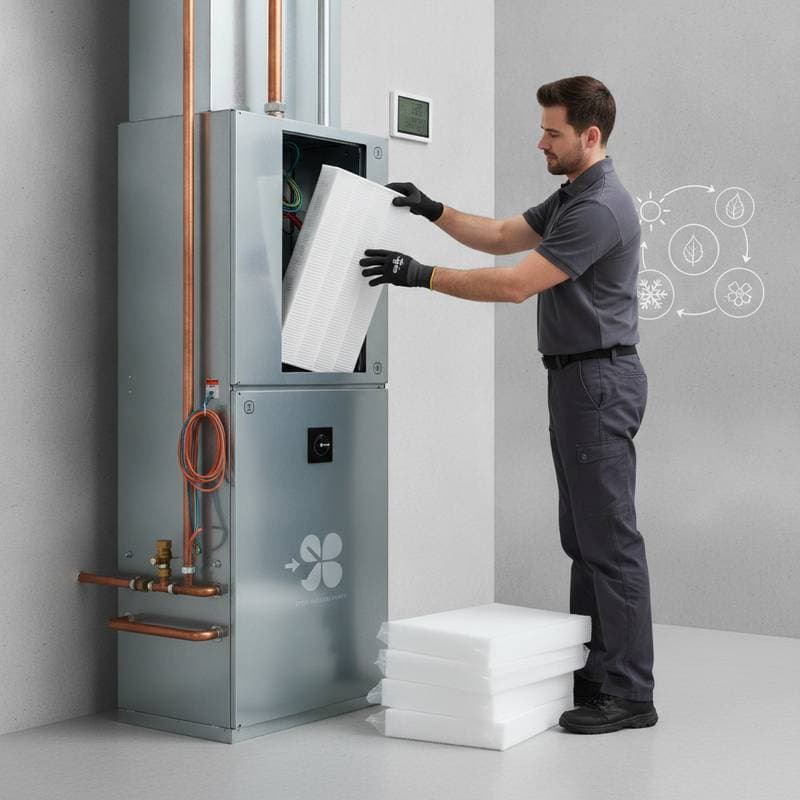
Homeowners who perform the task themselves typically pay only for the filter itself. Standard disposable filters cost between five and fifteen dollars each, while high efficiency pleated options range from twenty to forty dollars. No specialized tools are required in most cases, though a screwdriver and flashlight prove useful for accessing certain return vents. The entire process takes ten to fifteen minutes once the correct size is on hand.
Professional Filter Replacement Costs
A service call usually totals between seventy five and one hundred fifty dollars, depending on location and included services. This fee covers the filter plus a visual inspection of accessible components. Technicians can spot early signs of wear on belts, coils, or motors that a homeowner might miss.
Factors That Affect Pricing
Several conditions influence both cost and frequency. Homes with pets or smokers generate more debris and often need changes every sixty days. Properties in high pollen regions benefit from the same shorter interval. Larger homes with multiple returns require additional filters, raising the total expense. High efficiency filters carry a higher upfront price yet reduce strain on the blower motor over time.
DIY Versus Professional Service
The decision rests on system complexity, personal skill, and preference for convenience. Each option carries distinct advantages.
DIY Benefits and Drawbacks
DIY work keeps per change costs low and allows immediate scheduling. Homeowners retain full control over filter brand and quality. The main limitations are the absence of a system wide inspection and the possibility of selecting an incorrect size.
Professional Benefits and Drawbacks
Professional visits deliver an expert review of airflow, thermostat function, and overall condition. Proper installation is guaranteed. The higher per visit cost and need to coordinate appointment times represent the primary trade offs.
Safety and Equipment Considerations
Turn the system off at the thermostat or breaker before removing any filter. Never force a filter into place, as gaps allow unfiltered air to bypass the media. If heavy dust, mold, or unusual odors appear, contact a technician rather than proceeding alone.
Answers to Common Filter Questions
Homeowners frequently ask the following questions about timing and performance.
- How often should filters be changed? Every three months works for most households. Adjust to every two months when pets, smoking, or heavy usage are present.
- What happens if a filter is left in place too long? Restricted airflow raises energy use, produces uneven temperatures, and can cause the heat exchanger or evaporator coil to overheat or freeze.
- How can a homeowner tell when replacement is due? Hold the filter to a light. If light does not pass through or if the surface shows visible discoloration, install a new filter.
- Do washable filters perform as well as disposable ones? Washable models reduce recurring purchases but require complete drying after each cleaning to avoid mold. They also capture fewer fine particles than high quality pleated disposables.
- Does filter efficiency affect energy use? Higher MERV ratings improve particle capture yet can reduce airflow if the system was not designed for them. Match the rating to manufacturer specifications.
Step by Step Decision Process
Follow these steps to choose the maintenance method that fits a specific household.
- Assess household conditions such as the number of pets, allergy concerns, and local air quality reports.
- Evaluate personal comfort with basic tools and access to the return vent.
- Compare the true cost of DIY supplies against professional service fees while factoring in potential energy savings.
- Identify any risk factors, including older equipment or previous airflow problems.
- Select the option that supports consistent execution every three months.
Building a Quarterly Maintenance Routine
Preparation removes barriers to consistent execution.
- Record the exact filter dimensions and MERV rating inside the utility closet or on a phone note.
- Set calendar reminders for the first day of January, April, July, and October.
- Keep two spare filters on hand to avoid last minute store trips.
- After each change, note any unusual dust accumulation or odors for future reference.
A steady quarterly schedule keeps the HVAC system operating at peak efficiency, lowers monthly utility costs, and supports cleaner indoor air throughout the year.