Greywater Systems Cut Water Bills and Drought Proof Homes
Rising water costs and recurring droughts have made greywater systems a practical upgrade for many homeowners. These systems capture lightly used water from showers, bathtubs, and laundry. They then redirect it for landscape irrigation or toilet flushing.
By recycling water that would otherwise go down the drain, homeowners cut utility expenses. They also reduce strain on local water supplies.
How Greywater Systems Work
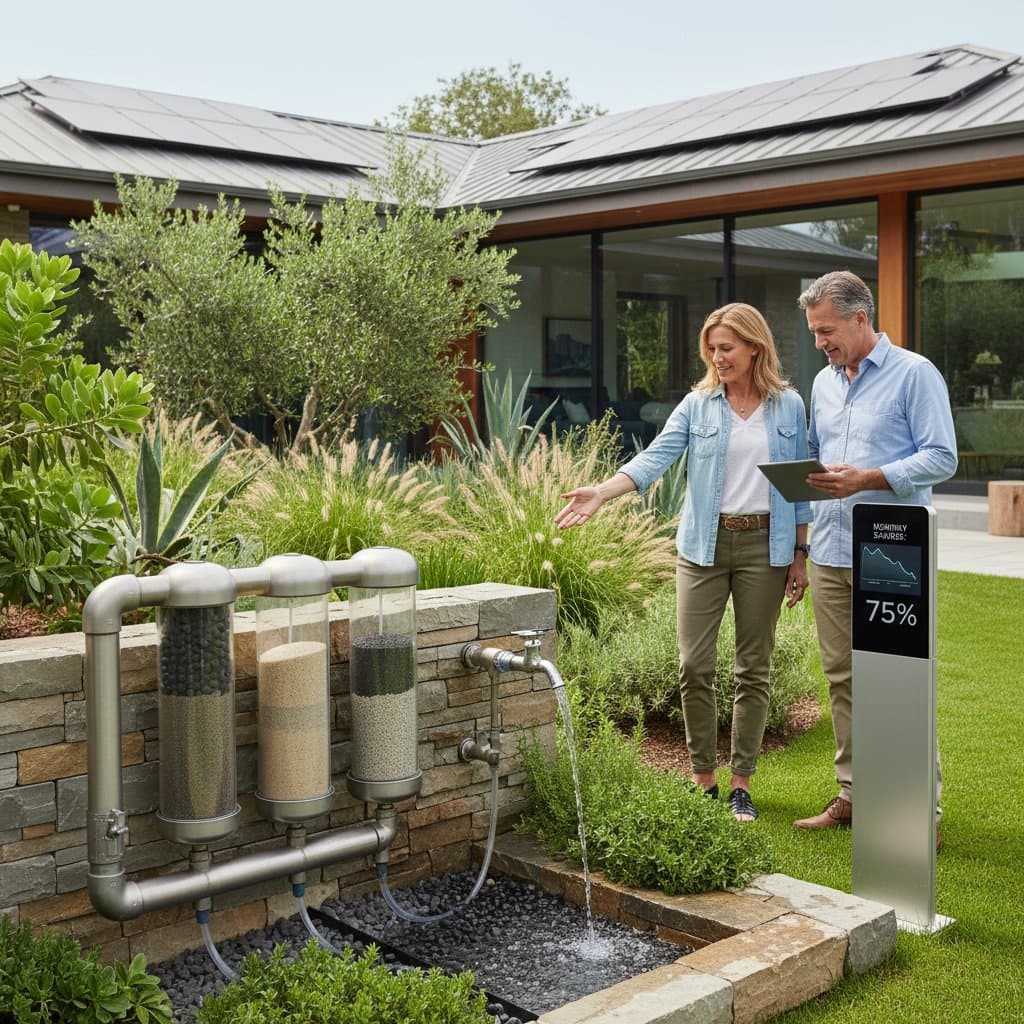
A greywater system collects wastewater from household sources that do not contain sewage. The water passes through filters that remove lint, soap residue, and debris. It is then stored or directed to reuse areas.
Most homeowners install either a diversion system or a treatment system. Diversion systems route greywater directly from the plumbing to the garden through underground pipes. They are simple, low cost, and ideal for irrigation.
Treatment systems include filtering units, disinfection, and pumps. These make water safe for toilet reuse or subsurface distribution. They require more equipment and maintenance but allow for broader use.
The right choice depends on property layout, local regulations, and planned water reuse.
Estimating the Cost
Greywater system prices vary based on system type, home size, and installation complexity. Homeowners spend between 2500 and 6000 dollars for a diversion setup. Full treatment systems range from 6000 to 15000 dollars.
Key cost factors include system type, plumbing access, landscaping needs, and permits. Simpler gravity fed systems cost less than pumped or filtered units. Homes with exposed plumbing or crawl spaces are easier to retrofit.
According to plumbing specialists, a basic laundry to landscape system often pays for itself within three to five years through lower water bills.
DIY Versus Professional Installation
A skilled homeowner can install a simple diversion system designed for laundry reuse. DIY options usually cost under 2000 dollars in parts and materials. The process involves rerouting the washing machine drain hose to a valve that diverts water into the yard.
Professional installation is recommended for systems that connect to multiple fixtures or include filtration. Licensed plumbers ensure compliance with local codes and prevent cross contamination. They also provide warranties.
Maintenance and Operation
Greywater systems need regular attention to stay safe and reliable. Filters must be cleaned or replaced every few months. Storage tanks should be flushed to prevent buildup.
Avoid using water that contains harsh chemicals, bleach, or fabric softeners. These substances can harm plants and soil. Many homeowners use eco friendly detergents designed for greywater irrigation.
A quick inspection each season confirms that valves and emitters function properly.
Benefits Beyond Savings
Greywater recycling can reduce household water use by up to 40 percent. It helps keep gardens green during drought restrictions and supports soil health with consistent moisture.
Homeowners in dry regions often see increased property value after installation. Some municipalities offer rebates or tax credits for approved projects.
Safety and Code Requirements
Local building codes govern greywater collection and reuse. Most areas require separate piping marked with clear labels. Systems that store water for more than a day need treatment to prevent bacteria growth.
Check with the city or county environmental department before installation. A professional designer can prepare documentation and ensure compliance.
Maintaining Your Investment
Greywater systems are long term assets that conserve resources. Keep a maintenance log and inspect filters and valves regularly. Review system performance after each season.
If odors, slow flow, or plant damage appear, contact an experienced technician. A well planned system keeps landscapes thriving and reduces utility bills.