Introduction
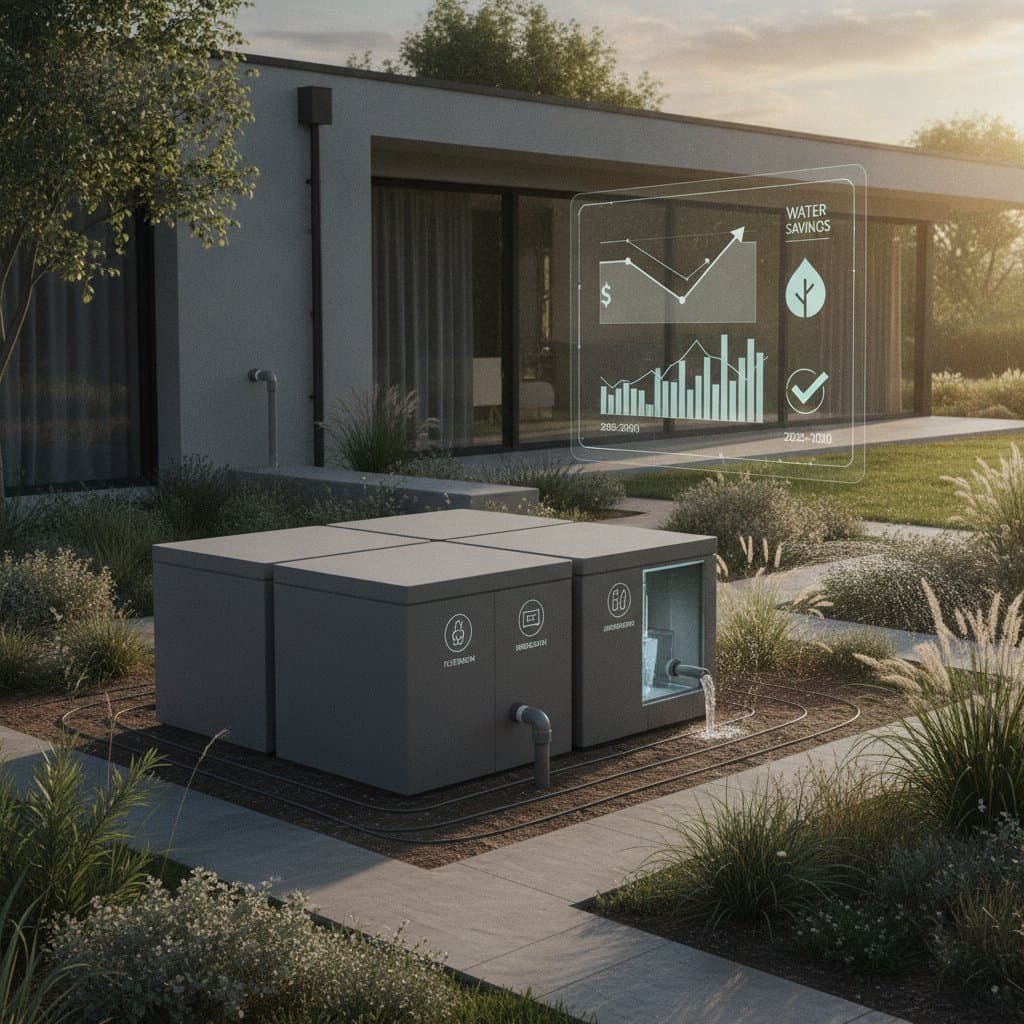
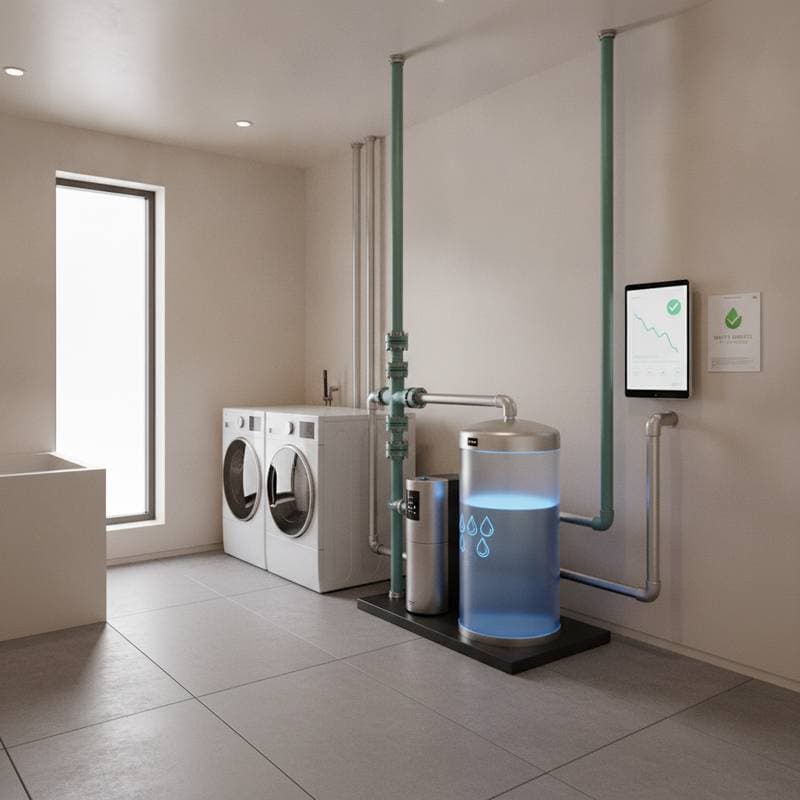
Greywater systems capture water from sinks, showers, and laundry for reuse in garden irrigation and toilet flushing. Homeowners reduce their utility expenses while lowering demand on municipal water supplies. Costs range from a few hundred dollars for basic laundry diverters to several thousand for complete household setups.
Rebates and Incentives That Offset Installation
Local utilities and water districts frequently provide financial support for greywater projects. These incentives take several forms and can cover a meaningful portion of expenses.
Types of Available Support
- Flat-rate payments deliver a fixed sum, typically between 200 and 500 dollars, after approved installation.
- Percentage-based programs reimburse 20 to 50 percent of documented material and labor costs.
- Tiered structures award larger amounts to systems that achieve greater water savings.
Applicants usually submit design drawings, permit documentation, and receipts. Some districts require approval before construction begins, while others conduct a final inspection to verify compliance.
Locating Local Programs
Contact the nearest water utility or environmental department first. Many agencies list current offerings on their websites and maintain online application portals. Community workshops and municipal sustainability offices also supply current details and eligibility worksheets.
A typical whole-home installation costing 8000 dollars can receive a 2000 dollar rebate. When paired with monthly savings of 40 dollars on water and sewer charges, payback occurs in roughly four years.
DIY Versus Professional Installation
Homeowners choose between self-built systems and contractor-installed solutions based on skill level and project scope.
Self-Installed Systems
These setups appeal to individuals comfortable with basic plumbing. They keep initial outlays low and allow custom routing to garden beds. Success requires careful attention to local codes to avoid backflow risks or improper drainage.
Contractor-Installed Systems
Licensed professionals ensure every component meets code requirements and carries a warranty. Advanced filtration units and automated valves come standard, reducing day-to-day oversight. This route suits larger properties or households seeking minimal maintenance.
Ongoing Maintenance Requirements
Simple filters need rinsing every three months, while tanks benefit from annual flushing to remove accumulated solids. Pumps and level sensors typically last five to seven years before replacement. Annual service costs average between 100 and 400 dollars depending on system size.
Proper care preserves performance and prevents odors. Many owners complete routine tasks themselves after an initial professional walkthrough.
Codes and Safety Guidelines
Local ordinances specify permitted uses, most commonly subsurface irrigation and toilet flushing. Above-ground spraying is usually prohibited to limit human contact. Filtration is mandatory in many jurisdictions to control bacteria and maintain water quality.
Permits protect both the household plumbing and the broader environment. Contractors experienced with greywater can prepare all required paperwork and schedule inspections.
Community and Environmental Advantages
Widespread adoption eases pressure on treatment plants and stretches limited freshwater supplies. Gardens remain healthy even during drought restrictions, preserving property appearance and supporting pollinators. Neighborhood participation multiplies these gains, often conserving millions of gallons annually across a single community.
Steps to Begin Installation
Assess laundry and bathroom locations to determine the simplest collection points. Obtain multiple quotes from certified installers and confirm rebate deadlines with the local utility. A written cost-benefit summary clarifies whether a modest starter system or a full-home design delivers the strongest return.