When to Schedule Indoor Air Quality Testing at Home
Indoor air quality testing helps homeowners understand what they breathe inside their homes. Many people assume indoor air stays cleaner than outdoor air. Everyday activities can introduce invisible pollutants that build up quietly.
Dust, mold spores, volatile organic compounds, and carbon monoxide affect health over time. Scheduling an air quality test at the right moment improves family comfort and supports long term home maintenance.
What Indoor Air Quality Testing Measures
An indoor air quality assessment measures several factors that influence health and comfort. These include particulate matter such as dust and pollen. They also cover volatile organic compounds released from paints and furnishings.
Carbon monoxide and carbon dioxide levels affect oxygen availability. Mold spores and humidity indicate moisture problems. Radon and formaldehyde represent additional pollutants that remain unnoticed without testing.
Professional assessments use calibrated instruments for accurate detection. Consumer grade monitors offer ongoing tracking. Experts recommend professional testing for precise results.
After Renovation or Remodeling Projects
Renovations introduce new materials that release chemicals into the air. Schedule testing after painting, flooring installation, or kitchen updates. These materials release volatile organic compounds as they cure.
A professional test confirms whether ventilation meets needs. It also shows if additional purification steps become necessary. Opening windows and using HEPA filters help clear odors. Testing supplies data on whether those steps prove sufficient.
During Seasonal Transitions
Seasonal changes reveal hidden air quality issues. Heating or cooling systems switch modes and spread dust from ducts. Spring pollen and fall humidity create challenges for allergy prone households.
Testing during transitions identifies fluctuations in humidity and mold presence. A summer humidity spike may encourage mold in basements. A winter test detects carbon monoxide leaks from unused appliances. Regular checks around these shifts keep air clean year round.
After Water Damage or Mold Concerns
Schedule air quality testing after any leak, flood, or burst pipe once repairs finish. Moisture encourages mold growth within walls and under flooring. Testing verifies whether remediation succeeded.
Mold testing matters most for people with asthma or allergies. Early detection reduces later repair costs. Untreated mold weakens drywall and wood framing.
When Family Members Show Unexplained Symptoms
Headaches, coughing, eye irritation, or fatigue may point to poor indoor air. A test reveals whether pollutants contribute to these issues. High volatile organic compound levels or carbon monoxide leaks often serve as culprits.
Professionals recommend comprehensive testing before assuming symptoms stem from other causes. Identifying contaminants early addresses the root problem.
Before Buying or Renting a Home
Air quality testing during home inspections protects buyers from unexpected risks. Sellers rarely test unless required. An independent specialist provides peace of mind, especially in older homes.
Results offer negotiation leverage if radon or mold appears. A small testing investment can prevent thousands in future expenses.
When Installing New HVAC or Air Purification Systems
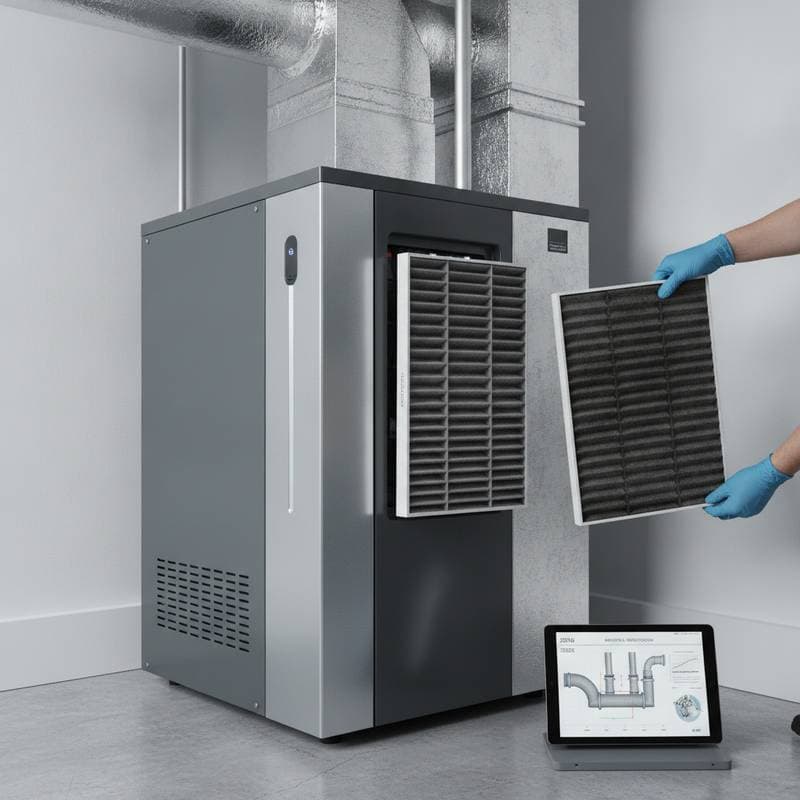
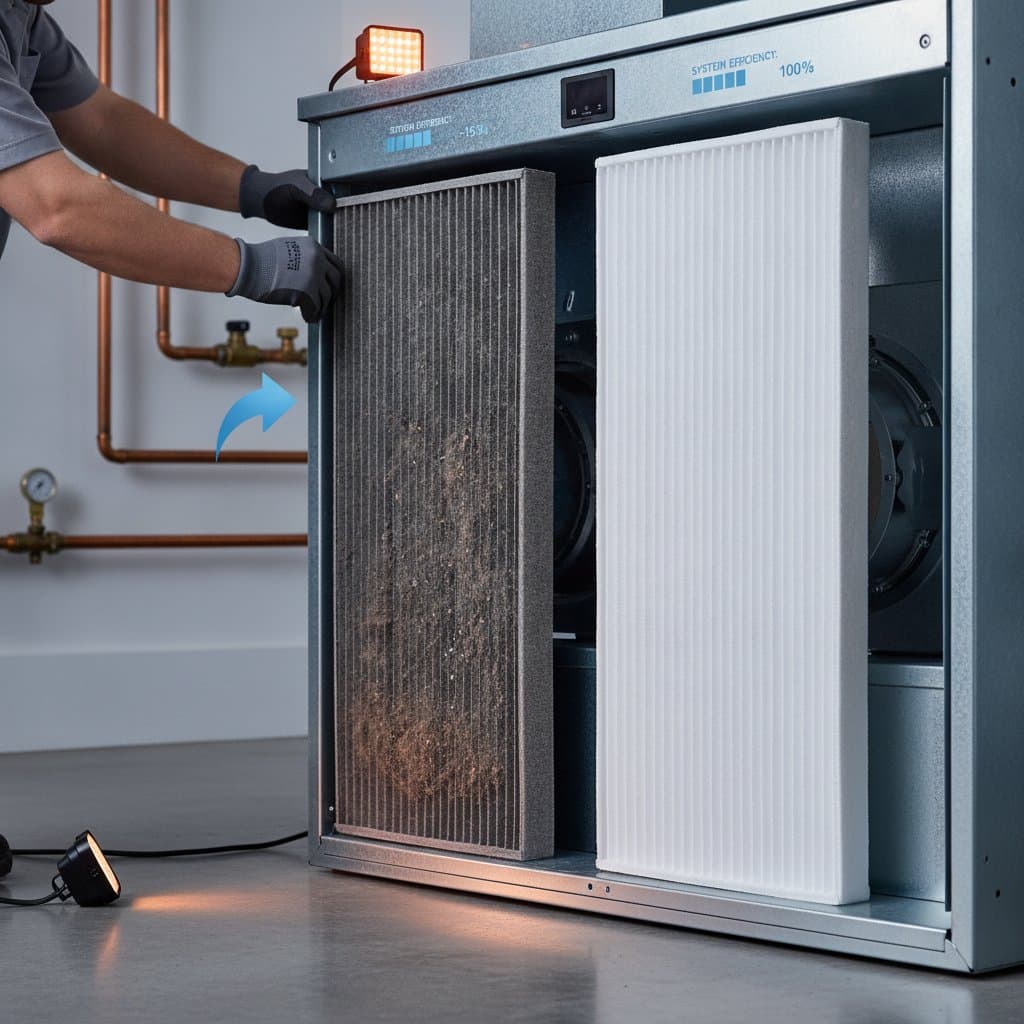
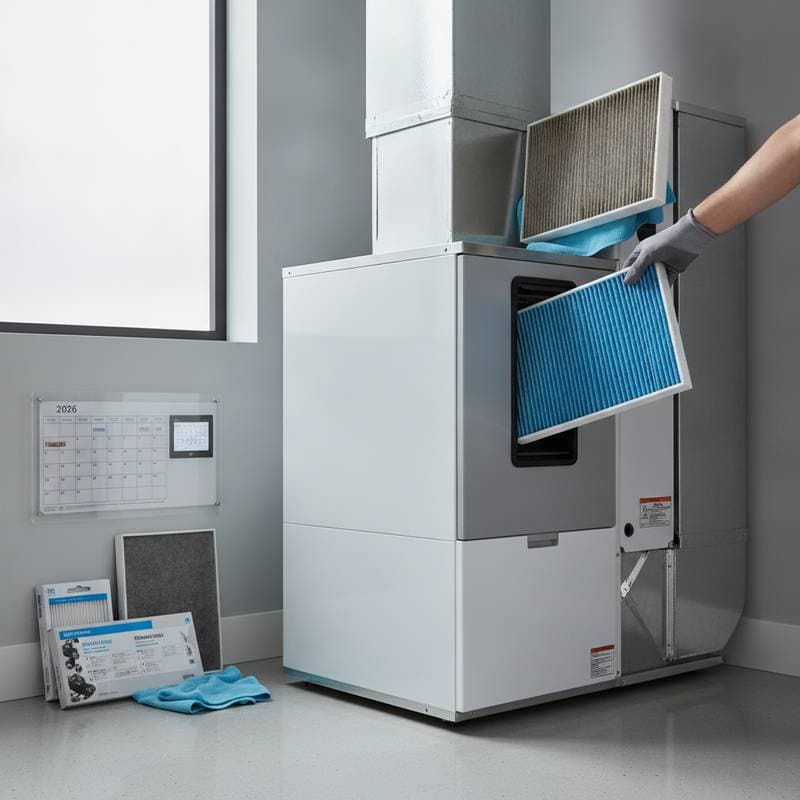
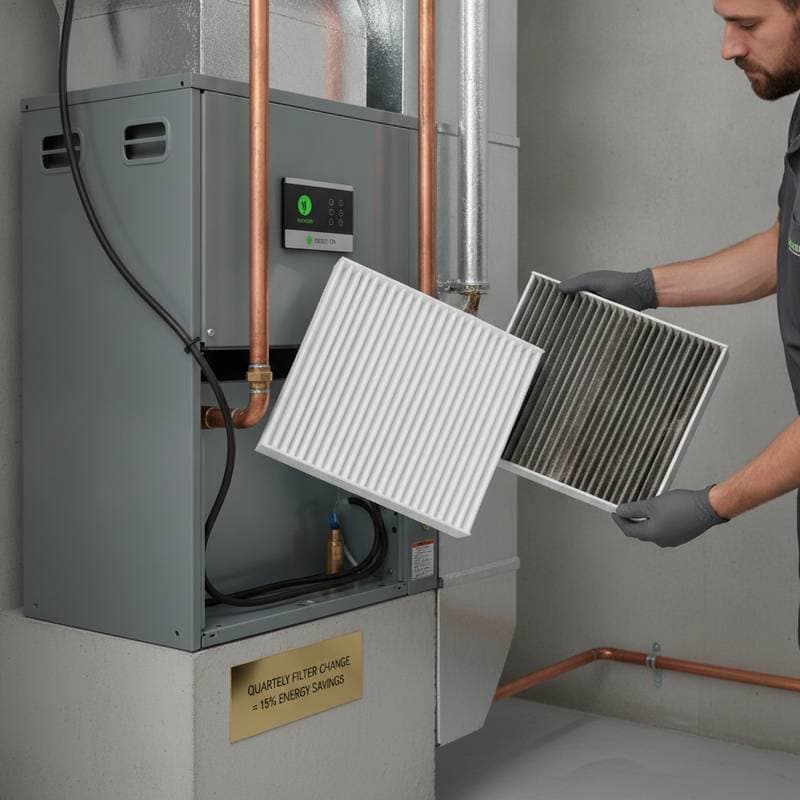
New HVAC installations create an ideal time for baseline air quality testing. Measurements show whether filters and ventilation upgrades perform as expected. Follow up tests confirm effective circulation and filtration.
Some contractors include assessments in maintenance packages. Pre and post installation comparisons provide measurable proof of improvement.
Routine Maintenance and Preventive Testing
Routine testing every few years provides insight even without visible issues. Dust buildup and natural settling gradually change air chemistry. Preventive checks identify early warning signs.
Homeowners with fireplaces or pets benefit from more frequent monitoring. A consistent schedule prevents small problems from growing.
Professional Versus DIY Testing Options
DIY kits detect trends but vary in accuracy. Professional testers use calibrated instruments and interpret results in context. They identify contamination sources and recommend specific actions.
Reports often suggest ventilation changes or material replacements. This service justifies its cost for complex situations.
Acting on Test Results
Homeowners should correct issues quickly once results arrive. Improving ventilation, sealing leaks, and controlling humidity contribute to cleaner air. Using low volatile organic compound paints and servicing HVAC systems regularly maintains gains.
Consistent awareness supports a healthy home environment. The right testing timing makes each assessment more effective.