Breathe Easier: Radon Mitigation Strategies for Safer Homes in 2026
Radon represents one of the most overlooked environmental hazards in residential settings. This naturally occurring gas, derived from the decay of uranium in soil and rock, enters homes through various pathways and accumulates in indoor air. Elevated levels pose significant health risks over time, yet many property owners remain unaware of testing procedures or effective reduction techniques. Radon mitigation serves as an essential measure to enhance indoor air quality, protect occupant health, and maintain structural integrity and market appeal.
This comprehensive guide details the mechanisms of radon infiltration, reliable detection methods, and proven mitigation approaches. It addresses cost factors, installation considerations for both existing and new constructions, and strategies for long-term system performance. By implementing these steps, homeowners can achieve substantial reductions in radon concentrations, fostering a healthier living environment and bolstering property worth.
Pathways of Radon Infiltration in Residential Structures
Radon migration follows pressure differentials, typically rising from the ground into enclosed spaces. Identifying these pathways enables targeted interventions that prevent accumulation. Key entry mechanisms include the following:
- Cracks in Foundation Slabs: Minute fissures in concrete basement or slab-on-grade floors permit gas to ascend directly into habitable areas.
- Unsealed Crawl Spaces: Areas with exposed earth or loose gravel provide unrestricted access for radon to permeate upward.
- Sump Pumps and Drainage Systems: Uncovered pits or permeable drain lines in basements link directly to subsurface soil layers.
- Penetrations Around Utilities: Spaces surrounding water, sewer, or electrical conduits in foundation walls allow gas leakage.
- Dissolved in Groundwater: Radon can enter via private wells, volatilizing during household water use such as showering or appliance operation.
Contemporary homes featuring advanced air sealing for energy efficiency may inadvertently concentrate radon by limiting natural dispersal. Balancing these features with adequate ventilation proves crucial for mitigating potential buildup.
Establishing Safe Radon Thresholds and Response Protocols
Health authorities recommend maintaining indoor radon concentrations below 4 picocuries per liter of air, with levels above this threshold warranting immediate remediation. Short-term or long-term testing kits, available from certified laboratories, provide accurate measurements over periods ranging from 2 days to 90 days. Upon confirmation of elevated readings, mitigation strategies can lower concentrations by as much as 99 percent, tailored to the property's architectural configuration.
Effective remediation techniques encompass:
- Sub-Slab Depressurization Systems: Installers position a PVC vent pipe through the foundation slab, connected to an inline fan that extracts soil gas from beneath the structure and exhausts it outdoors above the roof.
- Crawl Space Depressurization: Apply heavy-duty plastic vapor barriers over the ground surface, paired with exhaust fans to evacuate radon-rich air from the subfloor area.
- Entry Point Sealing: Apply epoxy or polyurethane sealants to fissures and joints in floors and walls, serving as a supplementary measure to active venting.
- Sub-Membrane or Drain Tile Depressurization: Utilize existing perimeter drainage networks or install membranes to create suction zones that draw gas away from living spaces.
Certified contractors assess site-specific conditions, such as soil permeability and foundation layout, to optimize system design. These setups generate a controlled negative pressure differential, blocking radon entry while consuming approximately 70-150 watts of power annually.
Financial Aspects of Radon Mitigation
Installation expenses for radon mitigation systems range from $800 to $2,500, influenced by factors like home footprint, foundation complexity, and regional labor rates. Sub-slab depressurization typically incurs higher upfront costs due to drilling requirements, yet it yields superior long-term efficacy compared to basic ventilation in crawl spaces. Homeowners should allocate an additional $100-200 for confirmatory post-mitigation testing to validate performance.
Ongoing expenses remain modest, with fan units lasting 10-15 years before replacement at $200-400 each. Energy consumption equates to pennies per day, and annual maintenance involves simple checks rather than extensive servicing. For properties under construction, incorporating passive vent pipes during the foundation pour costs under $500, allowing easy conversion to active systems if needed and avoiding retrofit premiums.
Strategies for System Monitoring and Upkeep
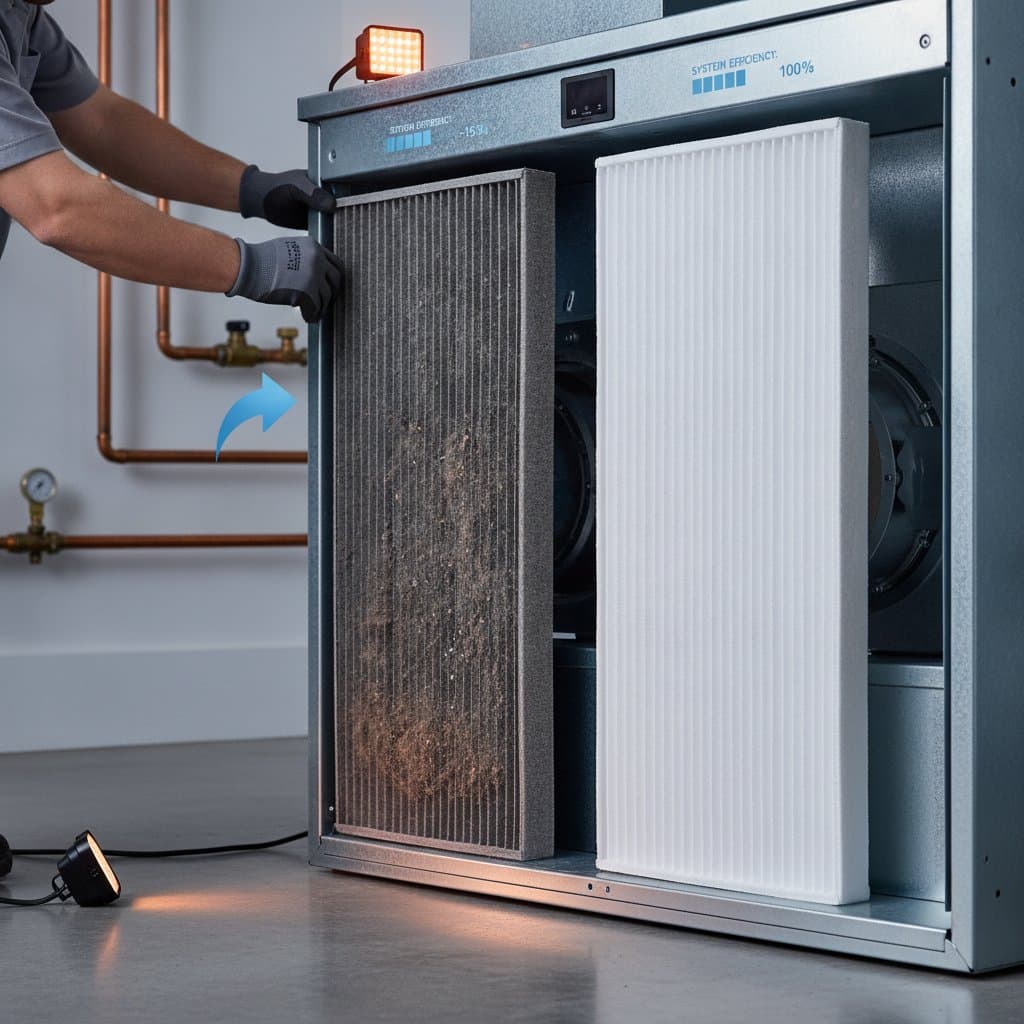
Post-installation vigilance ensures sustained radon control. Schedule retesting every two years or following structural alterations, using charcoal canisters or continuous digital monitors for precise tracking. Advanced fans incorporate pressure sensors that trigger audible alerts or connect to smart home apps if suction diminishes.
Conduct quarterly visual assessments to verify pipe integrity, fan operation, and exterior discharge positioning at least 10 feet above ground and distant from intake vents. In multi-level homes, ensure no re-entry occurs through attics or HVAC returns. Upon property transfer, request radon disclosure forms and service logs; a certified inspector can evaluate functionality and recommend adjustments as necessary.
Securing Long-Term Health and Property Benefits
Radon management demands consistent attention to sustain protective benefits. Integrate routine air quality checks with broader home maintenance practices, such as optimizing HVAC filters and promoting natural airflow. A documented mitigation history not only reassures occupants of reduced exposure risks but also enhances marketability, potentially increasing resale value by 1-3 percent in high-radon regions.
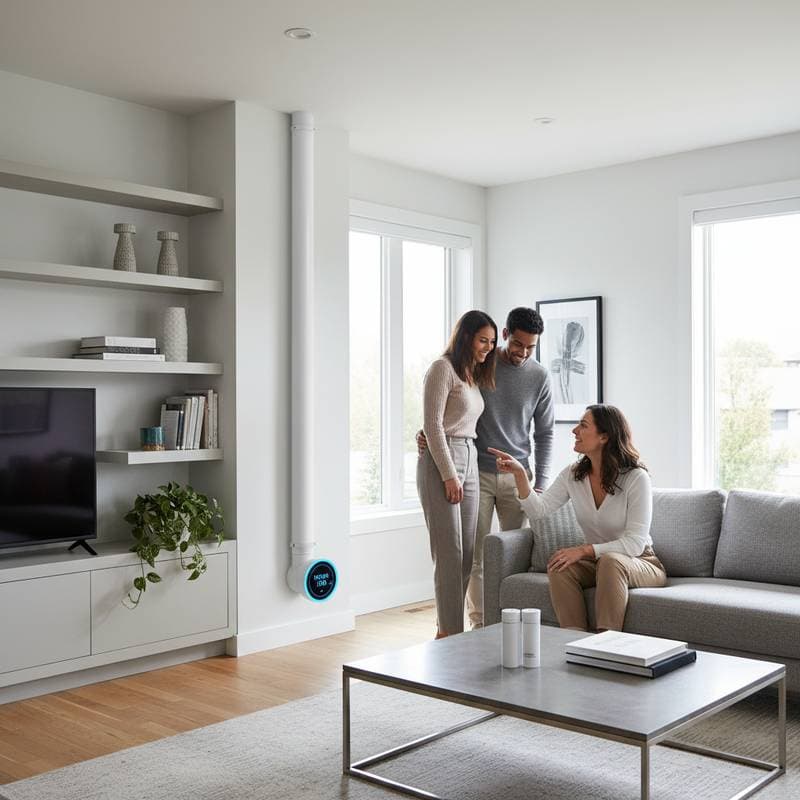
Many families experience peace of mind after verifying post-mitigation levels below action thresholds. These unobtrusive systems operate with minimal intervention, functioning as reliable barriers against an unseen threat. Prioritizing radon reduction translates to proactive stewardship of both family well-being and real estate assets.