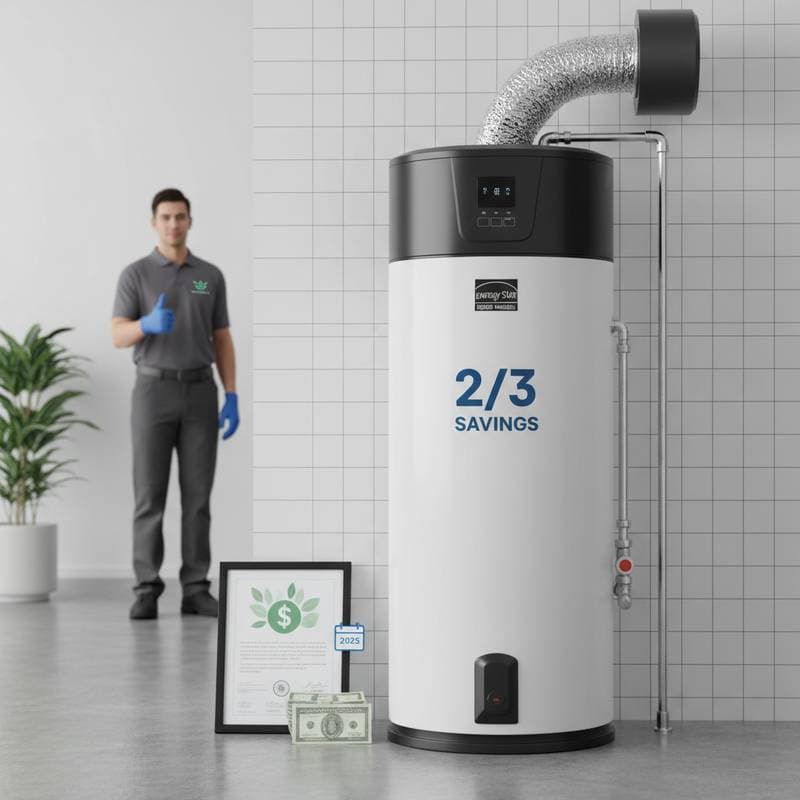
Unlock 2025 Tax Credits for Heat Pump Water Heaters
Homeowners upgrading to a heat pump water heater stand to reduce energy bills significantly while accessing federal tax credits. These incentives offset installation expenses and promote widespread adoption of efficient water heating solutions. Such upgrades not only lower electricity consumption but also enhance overall home sustainability and comfort levels.
Understanding Heat Pump Water Heaters
Heat pump water heaters extract heat from surrounding air or ground sources to warm water, rather than relying on direct electric resistance heating. This method requires substantially less electricity, often achieving savings of up to two-thirds compared to conventional electric units. The technology proves particularly effective in homes with stable indoor temperatures, where ambient heat sources remain accessible year-round.
Available in multiple capacities, these units suit diverse living spaces, including compact apartments and spacious family residences. Installation flexibility allows placement in various locations, such as utility closets or garages, provided adequate ventilation exists. Feedback from homeowners on dedicated forums frequently highlights the quieter performance and consistent hot water delivery these systems provide.
Energy experts emphasize that heat pump models maintain reliability while minimizing carbon emissions. Regular maintenance, such as annual filter cleaning, ensures optimal performance over the unit's lifespan, which typically exceeds that of traditional heaters.
Coverage Under the 2025 Tax Credit Program
The federal initiative backs energy-efficient residential improvements, with heat pump water heaters qualifying for direct tax credits. Eligible purchases and installations allow recovery of a portion of costs, covering both the unit itself and labor expenses. This support aligns with national goals to accelerate the transition to low-emission home technologies.
Key eligibility criteria demand that the unit adheres to established energy efficiency benchmarks, such as those outlined by recognized certification programs. Installation must occur in an owner-occupied primary residence within the United States, and all work requires compliance with manufacturer guidelines and local building codes. Credit amounts vary based on the system's efficiency rating and capacity, rewarding higher-performing models with greater reimbursements.
Homeowners should verify product specifications prior to purchase to confirm qualification. Professional assessments during the selection process can identify the most suitable options for specific household needs and regional climates.
Steps to Claim Your Tax Credit
Claiming the credit integrates into your annual federal tax filing process. Begin by gathering comprehensive documentation, including purchase receipts, installation invoices, and the manufacturer's certification of eligibility. These records substantiate your claim and facilitate smooth processing by tax authorities.
Follow these structured steps:
-
Select and acquire a heat pump water heater certified for energy efficiency.
-
Engage a licensed contractor experienced in heat pump installations to handle setup and ensure code adherence.
-
Retain detailed copies of all transaction documents and efficiency certifications.
-
Complete the appropriate energy credit section on your tax return form, attaching required supporting materials.
Tax preparation software typically includes dedicated modules for energy incentives, streamlining data entry and calculations. For complex scenarios involving multiple upgrades or high-value installations, consulting a certified tax professional helps maximize benefits and avoid common pitfalls.
Evaluating Costs Against Long-Term Savings
Initial costs for heat pump water heaters exceed those of standard electric models by several thousand dollars, depending on capacity and features. Tax credits and ongoing energy reductions, however, recoup this premium rapidly, often within three to five years for average households. Annual savings can reach several hundred dollars, varying with local utility rates and usage patterns.
Consider this comparative overview:
-
Conventional Electric Water Heater: Affordable upfront cost around $500 to $1,000, but monthly electricity expenses average $20 to $40 due to high energy demands.
-
Heat Pump Water Heater: Upfront investment of $2,000 to $4,000, offset by tax credits up to $2,000; monthly costs drop to $7 to $15, yielding net savings from day one post-incentive.
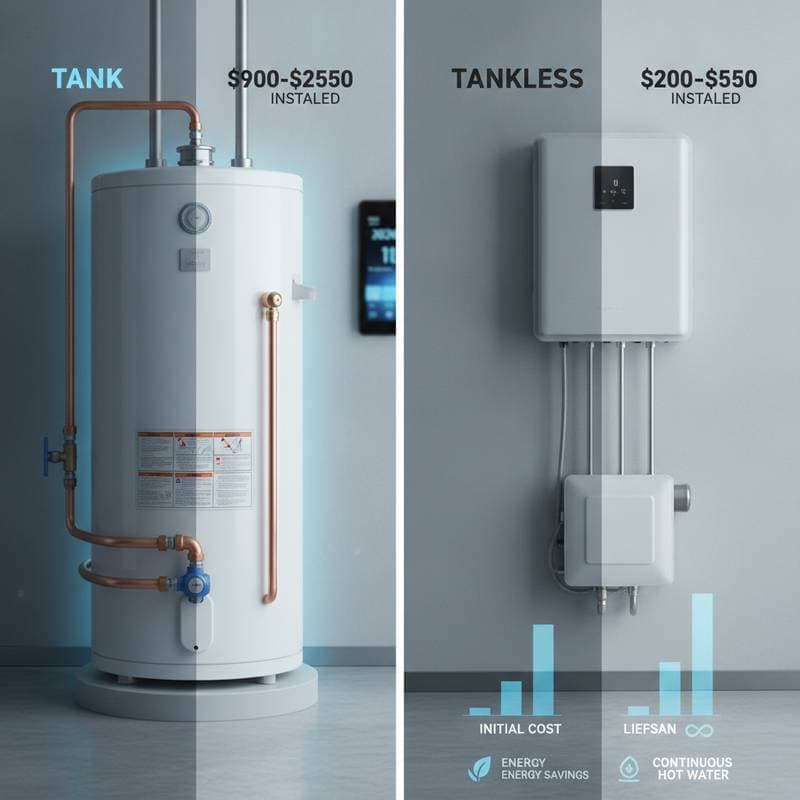
Visual aids, such as bar graphs depicting pre- and post-installation energy consumption, illustrate these disparities clearly. For instance, a family of four might reduce annual water heating expenses from $600 to $200, factoring in moderate climate conditions.
Suggested visual: Side-by-side images of a traditional tank-style heater and a sleek heat pump unit, annotated with efficiency metrics and cost projections.
Extended Advantages of Heat Pump Systems
Beyond immediate financial relief, heat pump water heaters offer durability through reduced thermal stress on components, extending service life to 10-15 years. They generate minimal operational noise, akin to a quiet refrigerator, and deliver reliable hot water volumes without temperature fluctuations.
Other practical gains include:
-
Versatile placement options in moisture-controlled areas like basements or laundry rooms.
-
Decreased environmental impact via lower greenhouse gas emissions.
-
Compatibility with supplemental local utility incentives, potentially adding hundreds more in rebates.
Replacement of outdated units often improves indoor air quality by eliminating sediment buildup common in older systems. Homeowner accounts shared online underscore these improvements, with many reporting enhanced satisfaction from seamless daily use.
Addressing Homeowner Concerns
Must I choose a particular brand for eligibility? Qualification depends on meeting efficiency standards, not brand affiliation. Prioritize units displaying official energy certification labels and review independent performance data.
Is stacking with local rebates possible? Affirmative in most jurisdictions; verify with your regional utility company for program details and application procedures.
How do these units fare in colder regions? Advanced designs incorporate backup resistance elements that activate automatically below optimal temperatures, ensuring functionality down to 40 degrees Fahrenheit or lower. Supplemental insulation in installation sites further bolsters cold-weather efficiency.
Take the Next Step Toward Efficiency
Adopting a heat pump water heater empowers precise management of household energy use and advances environmental stewardship. The 2025 tax credits render this transition both feasible and financially advantageous for qualifying properties.
Assess your existing water heater's efficiency and remaining lifespan to gauge upgrade timing. Research compliant models tailored to your home's demands, then solicit detailed proposals from vetted installers. Inquire about bundled rebates to amplify returns.
This investment yields a dependable, cost-effective system that minimizes operational expenses, qualifies for substantial incentives, and fosters a more sustainable living environment.