Understanding Greywater Systems and Their Benefits
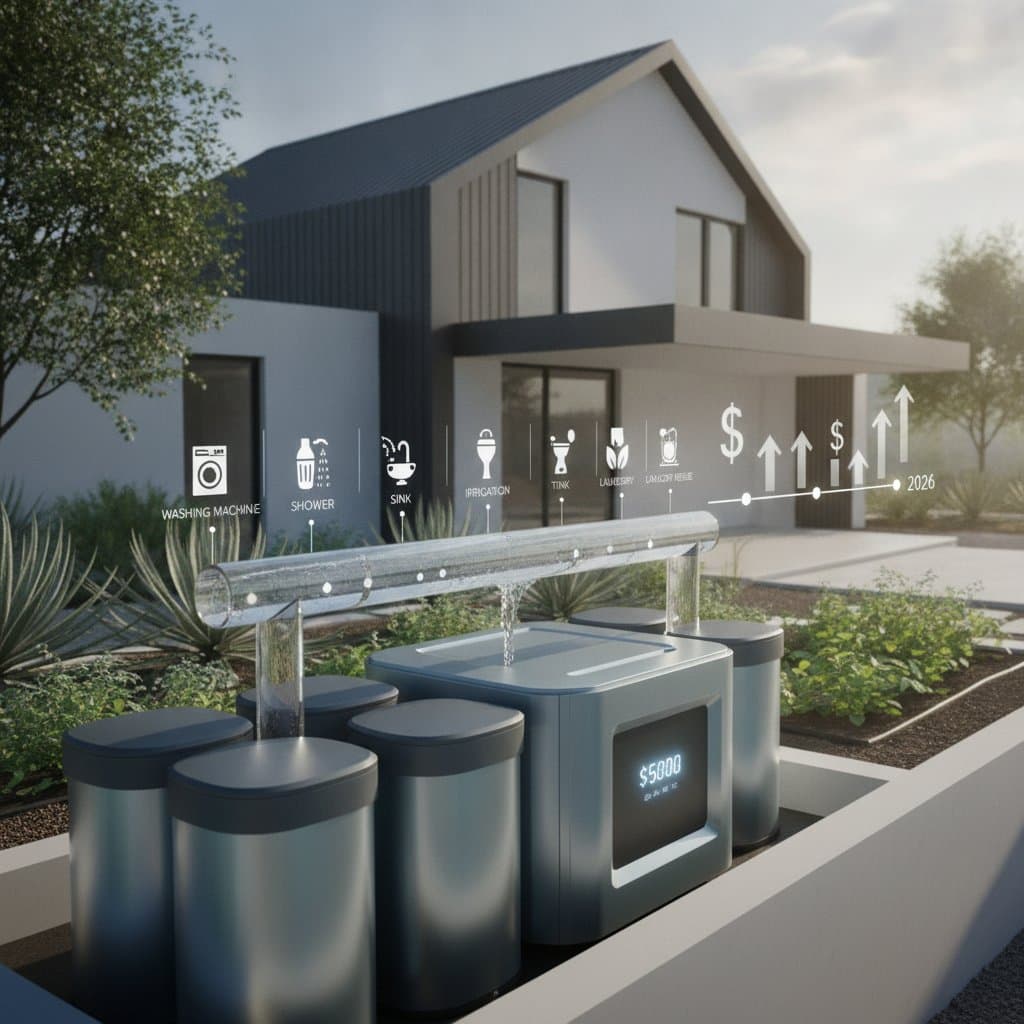
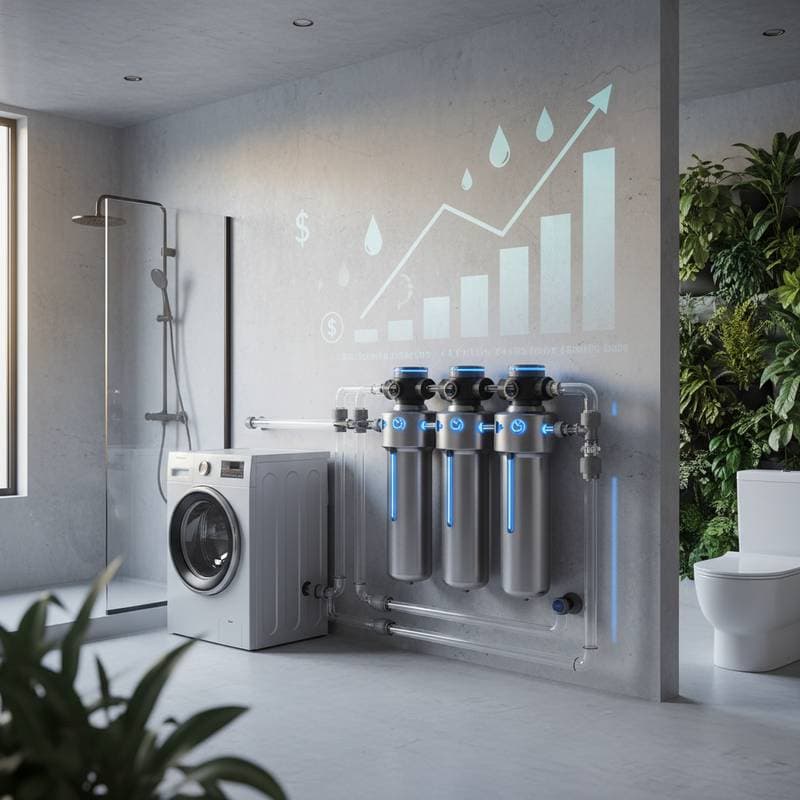
High water bills often signal inefficiency in household water use. In arid regions, flushing toilets or irrigating landscapes with potable water represents significant waste. Greywater systems address this by capturing and repurposing water from sinks, showers, and laundry for non-potable needs, thereby lowering utility expenses. Homeowners increasingly adopt these systems to achieve both financial savings and environmental conservation.
Overview of Costs and Savings
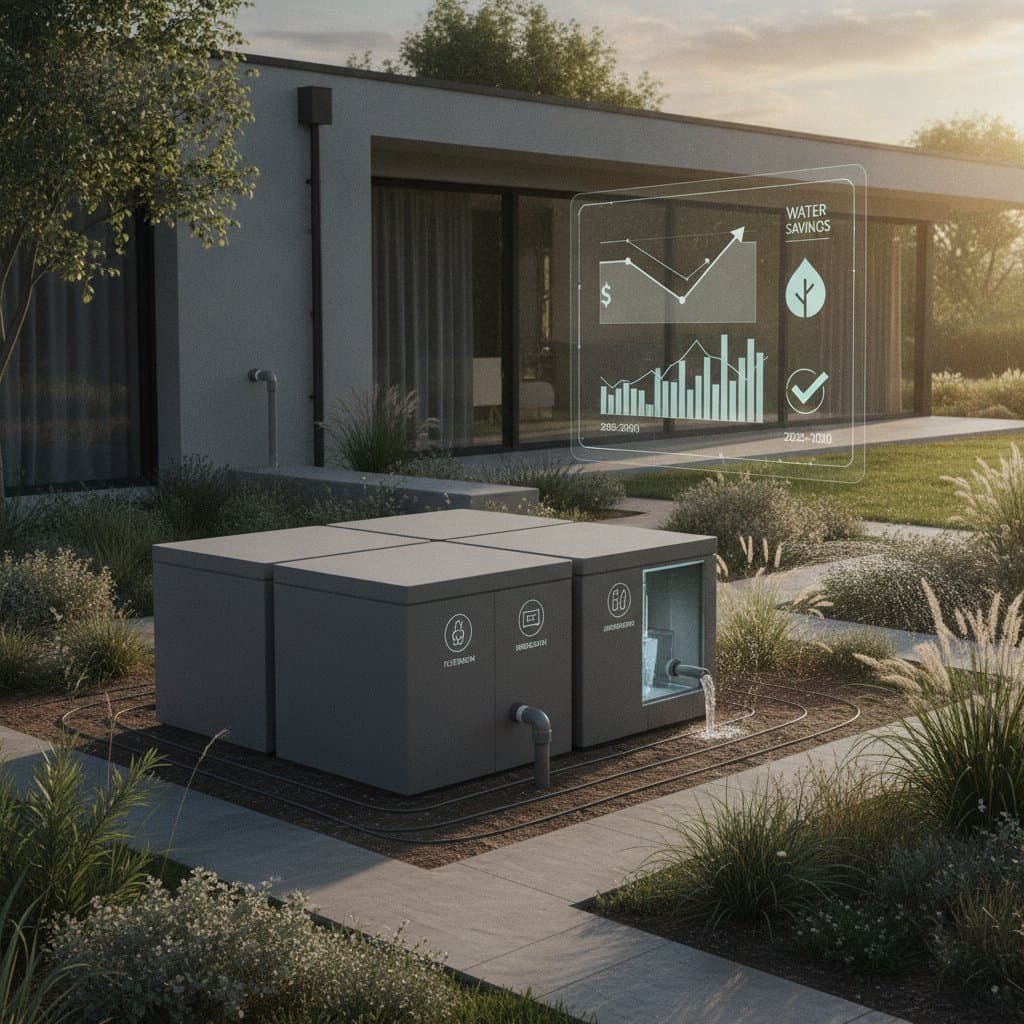
Basic greywater systems for a single bathroom or laundry area generally cost between $800 and $2,500, covering materials and professional labor. Comprehensive whole-home setups, which divert water from multiple sources, range from $3,000 to $8,000, influenced by plumbing configuration, storage options, and regional permit expenses. Owners typically recoup the initial outlay within three to five years via reduced water and sewer charges, with potential annual savings of 30 to 40 percent on bills.
Detailed Cost Analysis
Costs vary based on the home's plumbing infrastructure, the extent of fixture integration, and the choice between simple gravity-fed or advanced pumped designs. Simpler systems suit modest households, while complex installations benefit larger properties or those with extensive landscaping.
| System Type | Typical Cost Range | Ideal Application |
|---|---|---|
| Laundry-to-landscape | $800 to $1,500 | Compact homes or self-installation |
| Single bathroom diverter | $1,200 to $2,500 | Standard retrofits |
| Whole-home integration | $3,000 to $8,000 | Construction or renovation projects |
| Filtered irrigation | $2,000 to $4,000 | Properties with outdoor greenery |
| Branched drain for toilets | $2,500 to $5,000 | Space-constrained urban dwellings |
Component Cost Breakdown
Essential elements include piping, storage, and treatment components. Piping and fittings account for $200 to $600, depending on length and material quality. Storage tanks vary from $300 to $1,000, scaled to household water output, while filtration units and pumps add $150 to $800 for effective debris removal and distribution.
Labor represents a substantial portion, ranging from $400 for straightforward jobs to $2,500 for intricate rerouting. Permit and inspection fees contribute $100 to $500, mandatory in most jurisdictions to verify code adherence. Homes with accessible basements or attics incur lower expenses; those with concrete slabs demand specialized tools, elevating totals.
Installation Options: DIY Versus Professional
Individuals proficient in plumbing basics may tackle a laundry-to-landscape system independently. Required tools encompass a PVC pipe cutter, Teflon tape, 1-inch PVC piping, a drain diverter valve, waterproof sealant, and hose fittings with clamps. Follow manufacturer guidelines to connect the laundry drain to subsurface irrigation lines, ensuring even water dispersal without surface pooling.
Complex configurations, such as those involving pumps or multiple fixtures, necessitate engagement of a licensed plumber or certified greywater installer. Professionals guarantee adherence to building codes, including surge protection and backflow prevention. Installation durations span one to two days for most projects, minimizing household disruption.
Accessibility and Safety Essentials
Design systems with user access in mind to facilitate routine upkeep. Position tanks and filters in reachable locations, allowing at least 18 inches of surrounding space for inspections and cleaning. Incorporate safety features like overflow drains and pressure relief valves to prevent backups or structural damage.
Select non-toxic materials compatible with household cleaners to avoid soil or plant contamination. In regions prone to seismic activity, secure components against shifting. Annual professional audits confirm ongoing safety, particularly for systems irrigating edible gardens.
Essential Maintenance Strategies
Regular care extends system longevity and efficiency. Inspect filters monthly to remove lint and sediment, preventing clogs that reduce flow. Flush storage tanks quarterly with a mild vinegar solution to inhibit bacterial growth without harsh chemicals.
Monitor irrigation output seasonally, adjusting for rainfall to avoid overwatering. Document maintenance logs to track performance and support rebate claims. Engage local water authorities for guidance on surfactant-free detergents that enhance greywater usability.
Key Recommendations
- Initiate with a modest laundry diversion to assess performance before expansion.
- Ensure 18 inches of clearance around all access points for effortless servicing.
- Clearly label pipes and valves to guide future maintenance or repairs.
- Conduct yearly water tests for pH balance and residue accumulation, vital for food-producing landscapes.
- Seek advice from municipal programs offering incentives for compliant installations.
Implementing Your Greywater Solution
Adopting a greywater system promotes fiscal prudence alongside sustainable living. Begin by evaluating local ordinances through city planning offices, then diagram your plumbing paths. Weigh self-installation against expert involvement based on project scope.
Post-installation, the system operates seamlessly, repurposing daily wastewater into valuable resources. This approach not only trims expenses but fortifies home resilience against water scarcity, yielding enduring benefits for residents and ecosystems alike.