Reduce Water Bills Significantly: Greywater Costs and Permits
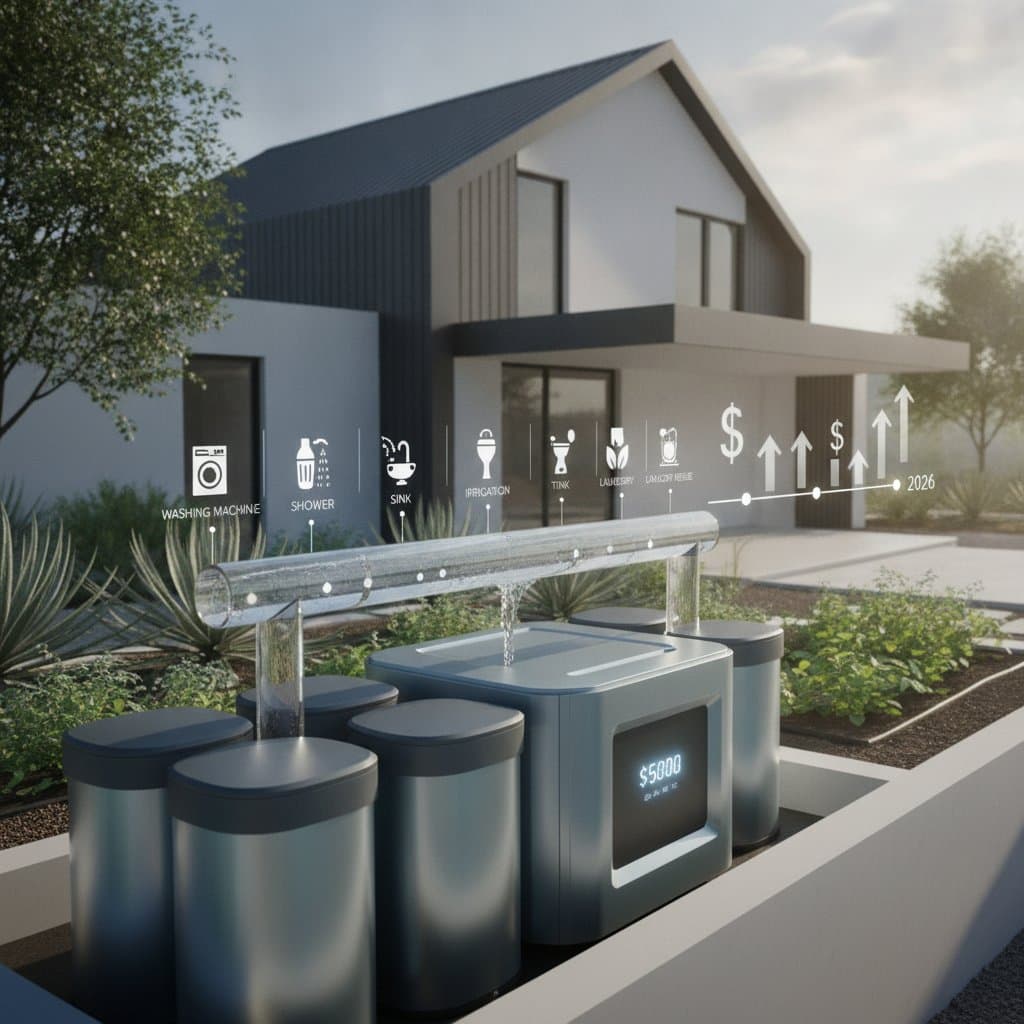
Homeowners confront escalating water expenses and stricter conservation rules. Greywater recycling systems provide an effective strategy to decrease utility costs while sustaining vibrant landscapes. These systems capture water from sinks, showers, and washing machines for reuse in irrigation or toilet flushing. When installed correctly with necessary permits, they achieve reductions in household water consumption of up to 50 percent.
Key Components of Greywater Systems
Greywater systems gather water from sources such as bathroom sinks, bathtubs, and washing machines. The collected water passes through filters or storage tanks before redirection for non-potable uses. Systems exclude water from kitchen sinks or toilets to avoid contamination risks. The treated output supports irrigation for lawns, trees, and non-edible plants.
Two primary system categories exist:
- Basic diversion systems, which channel water from laundry or showers straight to outdoor plants.
- Advanced treatment systems, which incorporate filtration and disinfection for expanded applications, including indoor toilet flushing.
Basic systems prove more budget-friendly and straightforward to maintain. Advanced options deliver versatility but demand expert installation and additional regulatory approvals.
Detailed Cost Analysis
System expenses vary based on scale, components, and regional rules. A fundamental laundry-to-landscape configuration typically ranges from $500 to $2,000 for homeowner installation. Professional setups featuring filters, pumps, and tanks generally fall between $4,000 and $15,000.
Key influences on costs include:
- System design: Gravity-based models incur lower expenses than those requiring pumps.
- Property features: Expansive or uneven terrain necessitates extended piping and control valves.
- Treatment requirements: Incorporating ultraviolet disinfection or sophisticated filters may increase material outlays by twofold.
- Regulatory fees: Permits and inspections add $200 to $500, depending on the jurisdiction.
Homeowners often recover initial investments through water bill savings within three to six years. In drought-prone areas with usage penalties, returns accelerate further.
Navigating Permits and Local Regulations
Requirements for greywater installations differ across municipalities. Certain areas permit basic laundry-to-landscape designs without formal approval, provided water infiltrates soil directly. More stringent locations mandate comprehensive plumbing permits and post-installation inspections.
Standard permitting procedures encompass:
- Submitting an application, complete with system schematics and disposal outlines.
- Undergoing an on-site inspection to verify adherence to standards.
- Receiving final authorization prior to operational use.
Building codes typically prohibit surface pooling of greywater or contact with food crops. Backflow prevention mechanisms remain essential to safeguard potable water lines. Consult the local building authority or environmental office early. Engaging a plumber versed in greywater standards often averts delays and rework.
Options for Installation: DIY Versus Professional
Individuals with plumbing aptitude can complete a laundry-to-landscape system over a weekend. The process entails fitting a diverter valve to the washing machine outlet, extending tubing to target plants, and confirming adequate drainage.
Projected timelines:
- DIY projects: One to two days.
- Professional endeavors: Up to one week for comprehensive systems.
Skill levels:
- Basic configurations: Moderate difficulty.
- Elaborate setups: Advanced expertise required.
Opt for professional services when integrating multiple sources or altering existing plumbing. Specialists in greywater ensure compliance, optimize efficiency, and minimize health hazards.
Essential Maintenance Practices
Regular evaluations keep greywater systems performing optimally. Monitor for blockages in filters and operational integrity of valves. Address any detected smells or pooled water promptly to resolve drainage concerns.
Routine maintenance tasks:
- Clean filters on a monthly basis.
- Flush distribution pipes during seasonal changes.
- Examine mulch basins for obstructions.
- Renew or sanitize filters annually.
Diligent care prolongs system durability beyond ten years. Annual upkeep expenses seldom exceed $50, primarily for filter replacements.
Broader Impacts: Environmental and Economic Gains
By repurposing greywater, households curtail fresh water demands significantly. Savings on bills can reach 40 percent, scaled to irrigation requirements. This approach also eases burdens on public sewage infrastructure.
In water-scarce zones with escalating surcharges, such systems buffer against rate volatility. Redirecting output from a single washing machine conserves over 10,000 gallons of potable water yearly. This volume suffices for numerous lawn irrigations or extensive toilet operations.
Addressing Frequent Challenges
Odor emanating from distribution lines:
- Probable origin: Stagnation or filter accumulation.
- Remediation: Perform a thorough flush, service filters, and confirm unobstructed flow.
Inadequate delivery to vegetation:
- Probable origin: Low pressure or obstructions.
- Remediation: Verify terrain gradient, regulate valves, and straighten any bent lines.
Accumulation in outdoor areas:
- Probable origin: Excessive discharge or suboptimal soil permeability.
- Remediation: Widen outlet intervals or enhance ground absorption.
Most concerns yield to these straightforward diagnostics. Persistent difficulties warrant consultation with a sustainable plumbing expert to identify underlying design issues.
Indicators for Professional Intervention
Seek expert assistance for systems linking several fixtures, incorporating powered pumps, or interfacing with interior lines. Professionals conduct water quality assessments and validate code conformity.
Certified technicians facilitate access to incentives like rebates or credits, potentially offsetting 30 percent of expenses. Local programs frequently support conservation initiatives.
Securing Ongoing Value from Greywater
Greywater systems thrive under vigilant oversight. Document all servicing activities and outcomes. Modify watering schedules in wet periods to avoid excess moisture. Through sustained effort, these installations deliver enduring cost reductions and ecological advantages.
Property owners embracing greywater conversion secure dependable water management, diminished expenses, and enhanced sustainability. Thoughtful preparation, regulatory adherence, and consistent attention convert routine outflows into assets that nurture homes and surroundings alike.