Greywater System Costs: Permits and Savings Breakdown
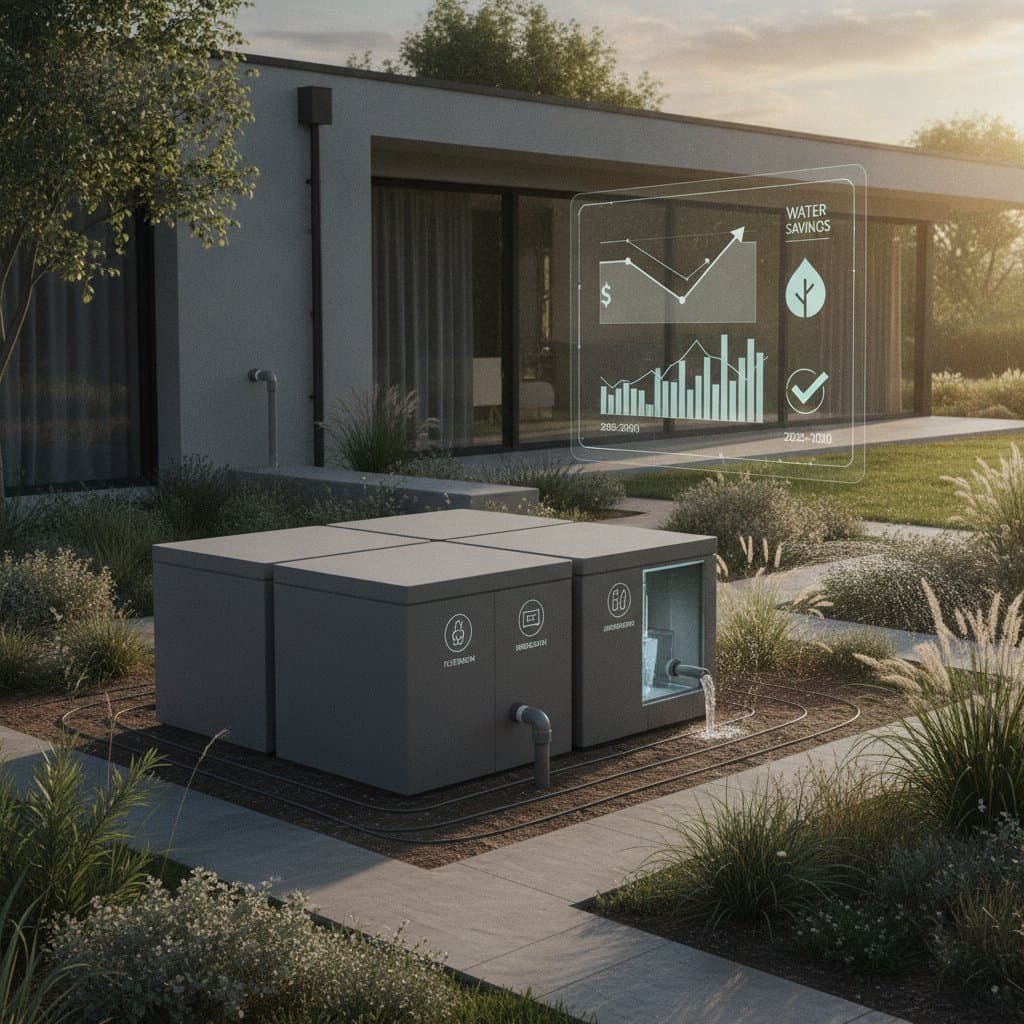
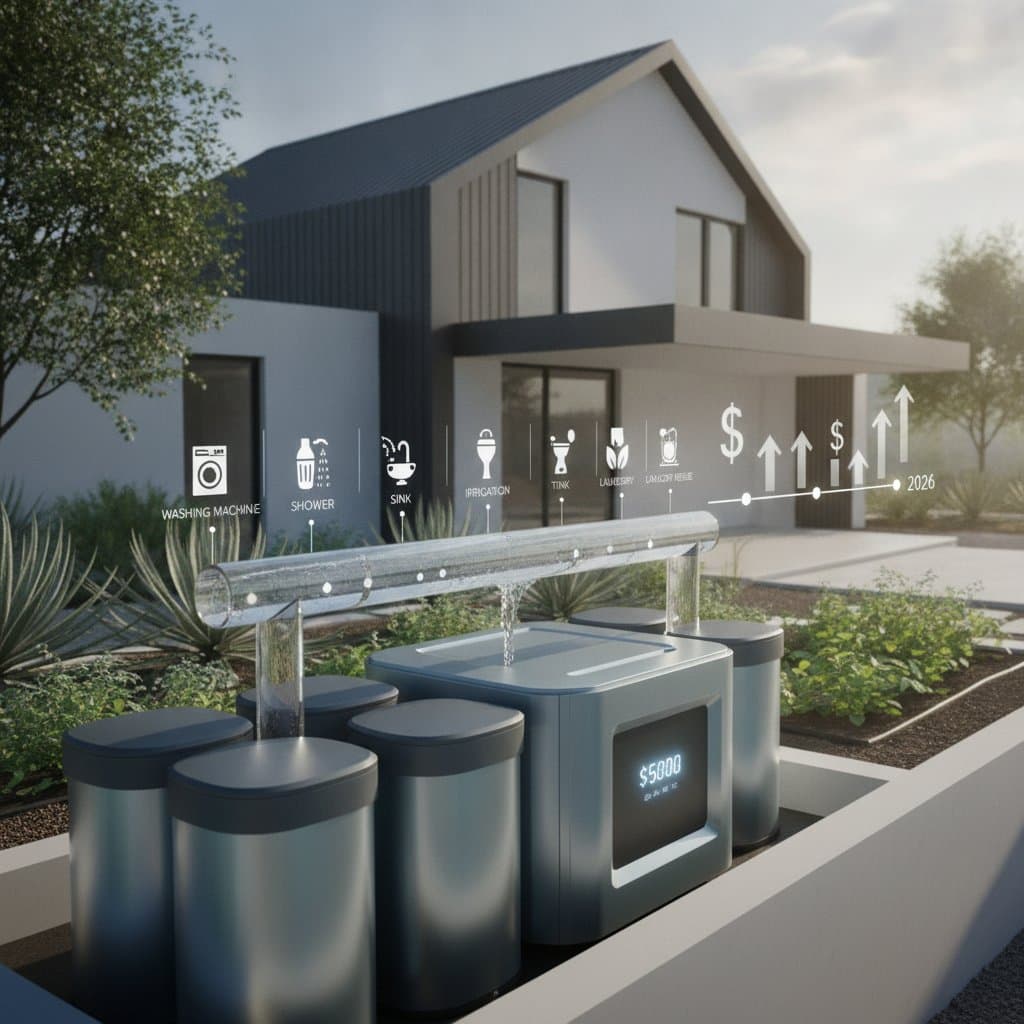
Reusing household wastewater represents a practical approach to lowering water bills and advancing sustainable living. Greywater systems collect lightly soiled water from sinks, showers, and laundry, then filter and redirect it for irrigation or toilet flushing. Homeowners often seek clarity on installation expenses and whether long-term savings offset the upfront investment. This breakdown of costs, permits, and benefits equips you to plan an effective installation.
Understanding Greywater System Costs
Costs for greywater systems vary based on type, scale, installation demands, and regional regulations. Basic irrigation setups differ from comprehensive whole-home systems that repurpose water for toilets or laundry. Key influences on pricing include system complexity and local requirements.
DIY Greywater System Costs
Individuals with plumbing experience can assemble a straightforward system using readily available components. These setups typically route water from one source, like a washing machine, to garden irrigation. Typical expenses encompass:
- Diverter valve: $50 to $150 for a durable model.
- PVC or flexible piping: $1 to $3 per linear foot, based on diameter.
- Filters or screens: $20 to $100 for basic sediment removal.
- Storage barrel or surge tank: $100 to $300, scaled to volume.
- Basic tools: pipe cutters, sealants, clamps, and fittings, often under $100 if not already owned.
Such a project totals $300 to $800, far less than professional services, but demands time and adherence to codes. Permits may apply even to simple configurations.
Professional Greywater System Costs
Expert installations range broadly according to scope and features. Specialists in plumbing or water reuse craft systems with automated filtration and distribution for varied applications. Expenses generally cover:
- Labor: $50 to $150 per hour or $1,000 to $5,000 flat rate.
- Equipment: filters, pumps, and tanks ranging from $500 to $2,000.
- Materials: pipes, valves, fittings, and backflow preventers at $200 to $800.
- Permits and inspections: $100 to $500 in local fees.
Garden-focused systems cost $1,500 to $4,000, while full-home versions with advanced treatment reach $5,000 to $15,000. Professionals deliver enhanced durability and regulatory compliance.
Factors Affecting Greywater Pricing
Several elements shift costs toward the lower or upper spectrum:
- System type: Irrigation units under $3,000; integrated home systems exceed $10,000.
- Plumbing layout: Easy access cuts labor by 20 to 30 percent.
- Soil and landscape: Challenging terrain adds $500 to $1,500 for adaptations.
- Water volume: High-use homes necessitate larger components, increasing expenses by 50 percent.
- Local regulations: Rigorous standards inflate fees by $200 to $1,000.
- Seasonality: Off-peak scheduling yields 10 to 20 percent discounts.
When DIY Might Save or Cost More
A competent DIY effort avoids labor fees, potentially saving $1,000 or more. However, errors risk leaks, health hazards, or fines exceeding $500. Opt for DIY on small irrigation projects if skilled; engage experts for multi-source or indoor applications to avert future expenses.
DIY vs Professional: Making the Right Choice
Selection hinges on objectives, expertise, and tolerance for plumbing alterations.
Benefits and Drawbacks of DIY
Pros:
- Reduced initial outlay by 50 to 70 percent.
- Customizable for targeted reuse.
- Sense of accomplishment in self-reliance.
Cons:
- Restricted scale and dependability.
- Hurdles in securing approvals.
- Hazards of drainage failures or pathogen spread.
DIY suits exterior watering from laundry or baths. Select eco-friendly detergents and exclude kitchen effluents laden with organics.
Benefits and Drawbacks of Hiring Professionals
Pros:
- Bespoke engineering for your property.
- Assurance of code adherence.
- Warranties and consistent functionality.
- Sophisticated features like remote monitoring.
Cons:
- Elevated prices, often double DIY equivalents.
- Delays from coordination and approvals.
Professionals excel in indoor recycling or high-volume scenarios, safeguarding health and efficiency.
Skill Level and Tools for DIY Success
Basic installations demand proficiency in pipe handling, sealing, and leak detection. Required tools comprise:
- Pipe cutter and adjustable wrench.
- PVC primer and cement for joints.
- Screwdrivers, clamps, and sealants.
- Adapters and barbed fittings for connections.
Absence of these or requisite knowledge warrants professional involvement.
Safety and Risk Considerations
Faulty setups invite moisture buildup, foul smells, or microbial growth. Maintain separation from drinking water supplies and full drainage to prevent issues. Limit untreated storage to hours, not days, to curb bacterial proliferation.
Time Commitment Comparison
DIY completion spans a weekend for novices. Professional projects extend to three to seven days, factoring inspections. Research and procurement add hours to self-installs, offsetting some cost advantages.
Your Greywater Questions, Answered
Expert responses to frequent inquiries.
What is Included in a Typical Greywater System?
Components feature collection points, sediment filters, surge tanks or pumps, and delivery pipes. Premium variants incorporate sensors and ultraviolet disinfection.
Do I Need a Permit for a Greywater System?
Authorities mandate permits for plumbing integrations. Gravity systems for yards might receive exemptions; consult your building office.
How Long Does Installation Take?
Modest outdoor units finish in one to two days. Comprehensive setups require three to seven days amid verifications.
How Much Maintenance Is Required?
Routine tasks involve filter cleaning quarterly and pipe checks biannually. Vigilance averts blockages and scents.
What Are the Main Cost Components?
Breakdown includes hardware at 40 percent, workforce at 50 percent, and approvals at 10 percent. Pumps elevate totals by 20 to 30 percent over gravity designs.
Can I Use Greywater Indoors?
Treated variants support toilet flushing or laundry cycles post-filtration and sanitization.
What Are the Common Problems?
Obstructions from residue, inadequate gradients, or soap accumulation prevail. Biodegradable agents and diligent cleaning mitigate risks.
Do Greywater Systems Save Money?
Affirmative, with rebates in water-scarce zones yielding 20 to 50 percent bill reductions annually.
Does Greywater Smell?
Well-kept units remain odor-free. Stagnation from neglect prompts issues.
What Questions Should I Ask a Professional Installer?
Inquire on tenure, compliance processes, component guarantees, and upkeep protocols. Demand itemized estimates covering all phases.
What Red Flags Should I Watch For?
Steer clear of those bypassing regulations, employing substandard parts, or omitting blueprints. Compliance remains non-negotiable.
How Does Greywater Recycling Affect Property Value?
Eco-upgrades appeal to green buyers, potentially boosting resale by 2 to 5 percent with documentation.
Are There Seasonal Considerations?
Dry periods maximize irrigation efficacy. Winterize in freeze-prone areas via draining or insulation.
How Long Does a Greywater System Last?
Decades with care; replace pumps every five to ten years, filters annually.
Who Inspects or Approves the System?
Municipal building or health divisions conduct final reviews.
How to Decide: Your Step-by-Step Guide
Weigh expenses, ease, and gains systematically.
Step 1: Assess Your Situation
Pinpoint high-yield sources like baths and washers. Quantify reusable volume via meter readings.
Step 2: Evaluate Your Skills and Resources
Gauge plumbing aptitude against code demands. Allocate for tools or consultations if gaps exist.
Step 3: Calculate True Costs
Factor approvals, contingencies, and ongoing supplies. Verify professional bids encompass testing.
Step 4: Perform a Risk Assessment
Appraise leak potentials, contaminant threats, and penalty exposures.
Step 5: Make the Final Decision
Pursue DIY for basic watering; select pros for integrated solutions yielding superior returns.
Preparing for Your Greywater Project
Research and Planning
Examine local ordinances and supplier catalogs. Sketch layouts aligning with home plumbing.
Gathering Information
Collect utility data and soil tests. Interview certified installers for insights.
Site Preparation
Clear access routes and verify drainage paths. Amend soil if compaction hinders absorption.
Timeline and Budgeting
Set milestones from permit to activation. Buffer 20 percent in funds for surprises.
Budgeting Tips
Integrate with renovations to share labor. Favor gravity over powered for savings. Monitor usage pre- and post-install to quantify benefits.
Sustaining Performance Over Time
Regular inspections of filters, valves, and lines preserve efficiency. Document activities for audits or sales. Savings accrue through diminished bills and ecological gains, solidifying your commitment to resource conservation.