Understanding Greywater Systems for 2026 Installations
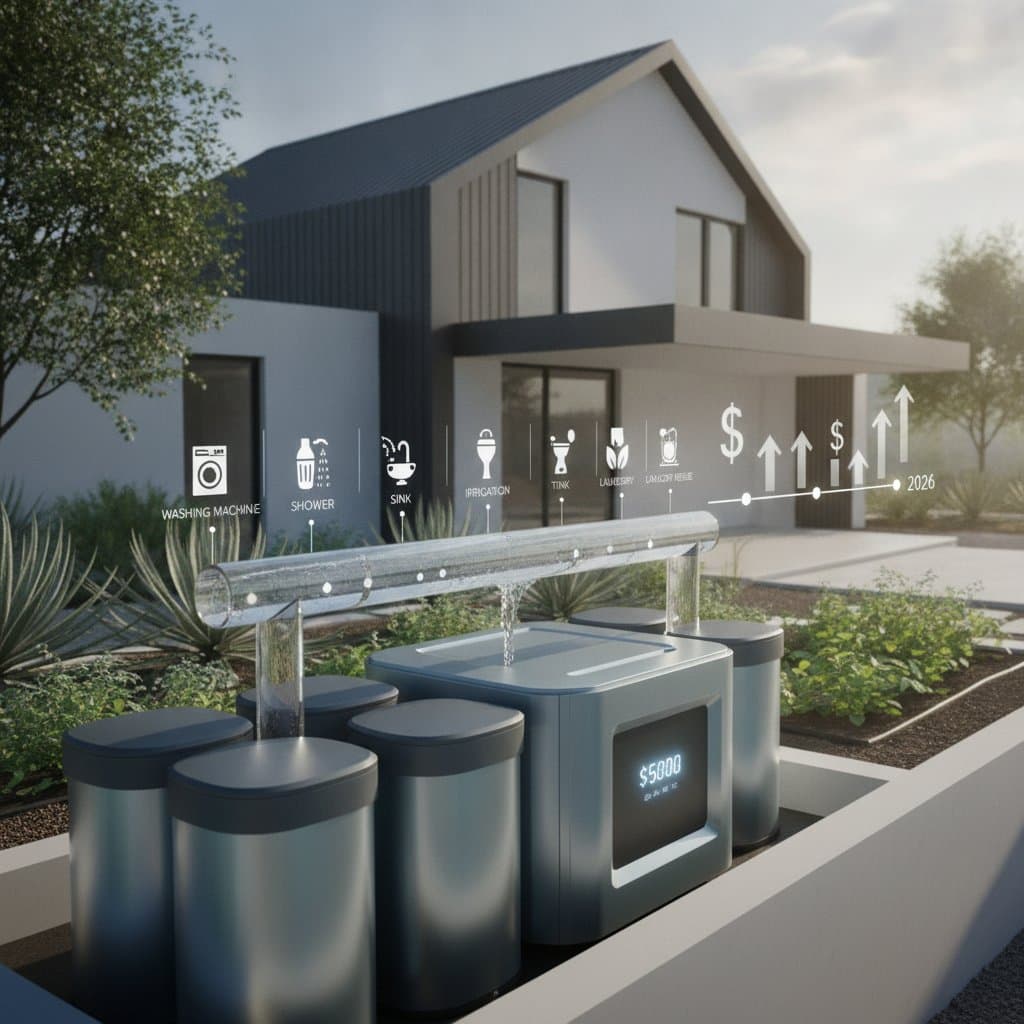
Homeowners increasingly seek ways to conserve water amid rising utility rates and heightened environmental concerns. Greywater systems capture and repurpose water from sources such as showers, sinks, and laundry for uses like garden irrigation or toilet flushing. These systems can decrease overall household water consumption by nearly 50 percent when properly implemented.
Planning a greywater installation demands attention to local regulations, initial expenses, and potential savings. This guide details the installation process, cost factors, permit essentials, and strategies for maximizing returns on investment.
Cost Breakdown for Greywater Systems
Installation costs fluctuate based on system complexity, site conditions, and desired features. Basic setups focus on simple diversion, while advanced options incorporate filtration and pumping for broader applications.
Typical Cost Ranges
- Laundry-to-landscape systems: $700 to $2,000, suitable for basic outdoor irrigation.
- Gravity-based irrigation setups: $1,500 to $4,500, relying on natural slope for water flow.
- Pumped, filtered full-home systems: $5,000 to $15,000, handling multiple sources with treatment.
These estimates cover materials and labor. Individuals with plumbing skills may reduce expenses by managing certain tasks, though experts advise professional involvement to meet safety standards.
Essential Material Expenses
Core elements include:
- Diverter valves and pipes: $150 to $400 for directing flow.
- Filtration devices: $300 to $1,200 to remove debris and contaminants.
- Pumps and controls: $500 to $2,000 for pressurized distribution.
- Storage tanks: $600 to $3,000, scaled to household needs.
- Irrigation tools: $200 to $800 for precise water delivery.
Labor accounts for 40 to 60 percent of the total. Projects involving trenching, electrical wiring, or custom plumbing elevate expenses.
Influences on Total Cost
- Soil and terrain conditions: Clay soils demand enhanced drainage solutions; sloped properties benefit from gravity but require stabilization measures.
- Home configuration: Proximity of water sources to usage areas lowers piping needs; multi-level homes increase complexity.
- System scale: Higher greywater volumes from larger households necessitate robust components.
- Regional labor variations: Urban areas often incur higher fees for skilled trades.
Navigating Permits and Local Codes
Most jurisdictions regulate greywater systems to safeguard public health and prevent contamination. Permits ensure installations align with plumbing, environmental, and building standards. Begin by contacting your local building department or health authority to identify requirements.
Key Permit Steps
- Submit a detailed plan: Include system diagrams, material specifications, and site layouts to demonstrate compliance.
- Undergo soil testing: Verify drainage suitability, especially in areas prone to poor percolation.
- Schedule inspections: Officials review plumbing connections, filtration efficacy, and setback distances from wells or property lines.
Permit fees range from $100 to $500, depending on location. Non-compliance risks fines or system removal. In water-scarce regions, incentives like rebates may offset costs for approved setups.
Step-by-Step Installation Guide
Greywater installation combines plumbing adjustments with landscape modifications. Follow these steps for a reliable residential system.
- Select sources: Prioritize laundry, showers, and sinks; exclude kitchen or toilet water to avoid pathogens.
- Fit diverter valves: Install these to toggle between sewer discharge and greywater reuse, facilitating cleaning cycles.
- Lay piping routes: Employ UV-resistant PVC pipes, buried at least 12 inches deep and marked distinctly from drinking water lines.
- Incorporate treatment: Mesh screens suffice for simple systems; advanced ones add sand filters or UV disinfection.
- Integrate pumps and storage: Secure electrical setups per code; position tanks on stable, shaded bases.
- Design irrigation: Use drip tubing or buried emitters to target root zones, minimizing evaporation.
- Conduct testing: Simulate usage to detect leaks, then invite inspector approval.
Small-scale projects suit weekend completion by skilled homeowners; comprehensive systems demand professional crews over several days.
Calculating Savings and Returns
Greywater systems yield 25 to 40 percent water reductions, varying by usage patterns and rates. Households with extensive landscaping might save $200 to $600 yearly on bills.
Payback periods span five to eight years, accelerated in drought-prone areas with high tariffs. Track pre- and post-installation meter readings to quantify impacts.
Additional Benefits
- Sewer charge reductions: Many utilities base fees on metered water, so conservation lowers these costs.
- Landscape resilience: Consistent irrigation fosters healthier plants, cutting replacement expenses.
- Market appeal: Eco-friendly upgrades enhance property values by 1 to 3 percent in green-conscious markets.
Deciding on Professional Assistance
Greywater projects exceed basic DIY projects due to health and regulatory demands. Engage experts for designs involving structural changes or indoor reuse.
Scenarios Requiring Experts
- Multiple fixture integrations.
- Pipe routing through foundations or interiors.
- On-site treatment for potable-adjacent applications.
- Challenging soils or minimal gradients.
Certified installers navigate codes, minimizing failure risks. Request portfolios and verify licensing before commitment.
DIY Options for Simple Systems
Laundry-to-landscape conversions offer accessible entry points. These require standard tools like pipe cutters and shovels, completable in a few hours.
Resources such as local workshops provide technique guidance. Always incorporate diverter valves for flexibility. Apply water subsurface for food crops to mitigate health concerns.
Addressing Common Challenges
Systems occasionally encounter operational hurdles. Prompt resolutions maintain efficiency.
- Reduced flow rates: Inspect and rinse filters; clear irrigation lines of debris.
- Unpleasant smells: Redirect to deeper absorption; improve site ventilation.
- Plant discoloration: Switch to low-sodium soaps; monitor soil pH.
- Pump failures: Examine wiring and sensors; consult manuals for diagnostics.
Strategies for Long-Term Reliability
Routine care sustains performance. Select biodegradable, phosphate-free cleaners compatible with greywater.
Avoid introducing harsh chemicals. Perform yearly checks on components, documenting changes. If issues persist, revert to standard drainage and seek repairs.
Realizing the Full Value of Greywater
A greywater system embodies proactive resource management. Proper execution delivers bill reductions, vibrant gardens, and environmental contributions.
Obtain multiple bids from vetted contractors, ensuring alignment with standards. Monitor ongoing efficiency through bill analysis and plant vitality. This approach secures financial recovery and fortifies home sustainability against future constraints.