Understanding Greywater Systems and Their Benefits
Greywater systems capture and reuse wastewater from household sources such as showers, bathtubs, and laundry machines. These systems redirect this water for non-potable uses like landscape irrigation, thereby conserving fresh water resources. In regions facing water scarcity, such installations promote environmental responsibility while lowering utility expenses.
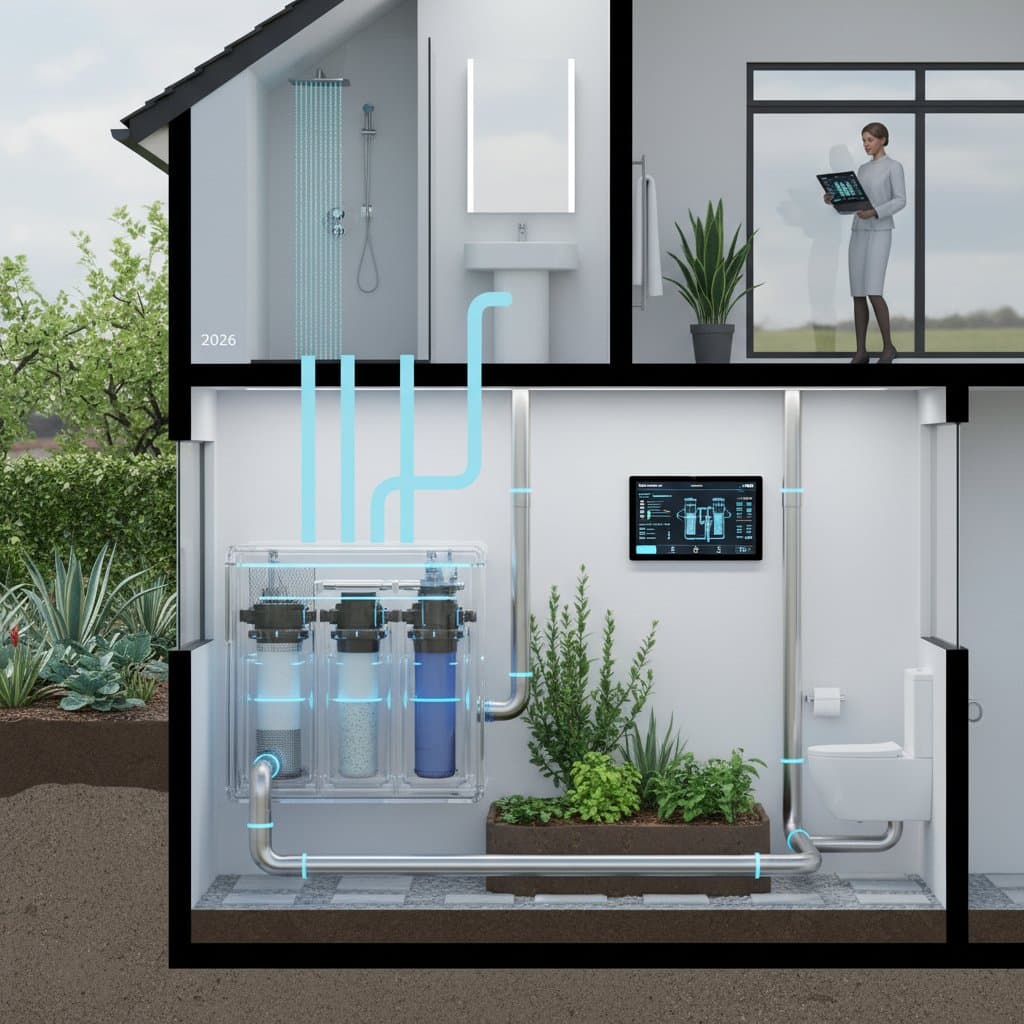
The core appeal lies in their ability to integrate multiple water sources through dedicated piping, often installed underground to connect with irrigation lines or, in advanced setups, indoor applications like toilet flushing. Compliance with local inspection standards remains essential to ensure safe and effective operation. By adopting these systems, homeowners contribute to broader conservation efforts without compromising daily convenience.
Costs of Greywater Systems: Breaking Down the Range
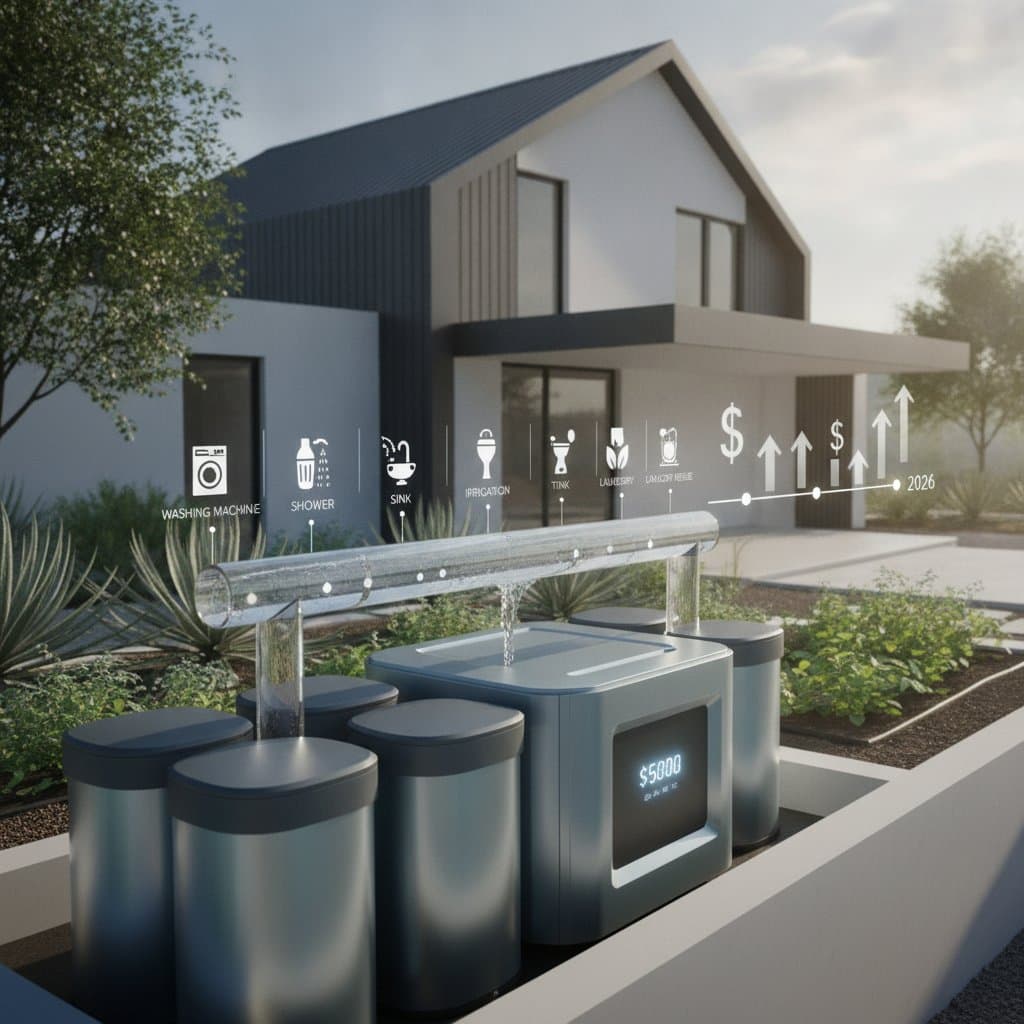
Installation costs for greywater systems typically span from $200 to over $6,000, influenced by system complexity, scale, and local factors. Simple, gravity-fed designs that divert laundry water directly to garden beds start at the lower end, around $200 to $500 for basic materials and DIY labor. These setups require minimal plumbing modifications and suit small properties with straightforward landscaping needs.
Mid-range options, priced between $1,000 and $3,000, involve branched drainage systems that collect water from multiple fixtures like sinks and showers. Such configurations demand custom piping, surge tanks for temporary storage, and basic filtration to remove debris, often necessitating professional assistance for precise installation. In urban areas with stricter codes, additional expenses arise from permits and inspections, potentially adding $300 to $800.
Advanced systems, exceeding $4,000 and reaching $6,000 or more, incorporate treatment processes such as biological filters or UV disinfection for broader reuse possibilities, including subsurface irrigation or even limited indoor applications. These comprehensive units integrate with existing home plumbing, require electrical components for pumps, and benefit from expert engineering to meet health and safety regulations. Factors like property size, soil type, and water volume further adjust the total investment, with larger homes or sloped terrains increasing material and labor demands.
Ongoing costs include maintenance supplies like replacement filters, estimated at $50 to $200 annually, and occasional professional servicing for complex models. While upfront expenses vary, long-term savings on water bills—potentially $100 to $500 per year—offset initial outlays, particularly in drought-affected regions where utility rates continue to rise.
Types of Greywater Systems and Their Applications
Greywater systems fall into three primary categories, each tailored to different reuse scenarios and regulatory environments. The simplest type, known as laundry-to-landscape, focuses on washing machine effluent and routes it through a three-way valve to outdoor plants. This approach avoids extensive plumbing changes and suits homeowners seeking quick, low-cost implementation.
Branched drain systems expand on this by merging flows from bathroom sinks, showers, and tubs into a centralized line leading to mulch basins or drip irrigation. These setups demand careful site preparation to prevent surface ponding and ensure even distribution, making them ideal for medium-sized yards with diverse planting zones.
For maximum efficiency, pumped or treated systems employ storage tanks and advanced purification to handle higher volumes and enable versatile applications. Such models connect to toilets for flushing in permitted cases or support larger landscapes, though they require more space and energy. Selecting the appropriate type depends on household water usage patterns, available yard area, and local guidelines for greywater diversion.
Your Greywater System Questions, Answered
How much maintenance do greywater systems need?
Routine upkeep involves cleaning filters and conducting visual inspections every three to six months, depending on usage intensity. These tasks prevent sediment accumulation that could lead to blockages and maintain optimal water flow. For systems with treatment components, additional steps like disinfecting tanks may occur quarterly to uphold water quality.
Do all areas require permits?
Local building departments often mandate permits for installations tied to main plumbing lines, ensuring adherence to health codes. Garden-only diversions in rural settings might bypass formal approvals, but verification with municipal offices remains crucial to avoid fines. Permit processes typically include plan submissions and on-site inspections, varying by jurisdiction.
What water sources are usable?
Suitable sources encompass greywater from bathroom sinks, bathtubs, showers, and clothes washers, which contain mild contaminants. Exclusion of blackwater from toilets or kitchen sinks prevents health hazards and simplifies treatment needs. Assessing daily output from these fixtures helps determine system capacity.
Can greywater be stored long term?
Immediate use within 24 hours proves advisable to minimize bacterial proliferation and odor development. Short-term holding in shaded, covered tanks works for surge management, but prolonged storage demands aeration or treatment to preserve usability. Daily dispersal aligns with natural degradation processes in soil.
Are there safety risks?
Properly designed and maintained systems pose minimal dangers, with risks centered on pathogen exposure if untreated water contacts edible plants. Selection of biodegradable soaps and avoidance of antimicrobial agents protects soil ecosystems and plant health. Professional installation mitigates structural issues like leaks that could contaminate groundwater.
What are common problems?
Clogging from lint or hair, pipe leaks due to poor sealing, and residue buildup from detergents represent frequent challenges. Proactive measures, such as installing lint traps and using low-sudsing cleaners, address these effectively. Monitoring for unusual odors or reduced flow signals the need for prompt intervention.
Does a greywater system increase home value?
In water-stressed markets, these features appeal to eco-conscious buyers, potentially boosting resale prices by 1 to 3 percent. Appraisers recognize the sustainability advantages, especially when documented with permits and performance records. Such enhancements differentiate properties in competitive real estate landscapes.
How much water can it save?
Average households redirect 20,000 to 50,000 liters yearly through greywater reuse, slashing irrigation demands by up to 50 percent. This reduction translates to noticeable decreases in municipal water charges and supports resilience against supply shortages. Tracking pre- and post-installation usage quantifies personal conservation impacts.
Do I need a professional to design the system?
Basic DIY projects suit handy individuals with plumbing knowledge, but intricate designs warrant expert input for regulatory compliance and performance optimization. Engineers or certified installers evaluate site hydraulics, soil percolation, and integration feasibility. Consulting professionals early avoids costly redesigns.
How long do these systems last?
Well-maintained units endure 15 to 25 years, with durable components like PVC pipes and tanks resisting corrosion. Periodic upgrades to filters or pumps extend functionality. Lifespan correlates with installation quality and adherence to care protocols.
Preparing for Your Greywater Project
Initiate the process by consulting local environmental agencies for current regulations and permit applications. Compile an inventory of eligible water sources, calculating potential daily volumes based on fixture usage—typically 100 to 200 liters from baths and laundry combined. Sketch property layouts to identify drainage paths, irrigation areas, and any obstacles like trees or structures.
Budget allocation should cover materials, tools, and potential labor, with a 10 to 20 percent contingency for unforeseen adjustments. Soil testing confirms absorption rates, guiding basin or trench designs for effective dispersal. If opting for professional services, solicit quotes from licensed contractors experienced in sustainable plumbing.
Testing the setup post-installation verifies flow rates and leak-free operation, often required for permit finalization. Document all steps and components for future reference and warranty claims.
Implementing Greywater for Lasting Water Efficiency
A greywater system transforms everyday wastewater into a resource for thriving landscapes, fostering self-sufficiency in water management. Through informed planning and diligent care, homeowners achieve substantial reductions in consumption while navigating compliance seamlessly. This investment not only curtails expenses but also aligns living spaces with sustainable practices for enduring environmental benefits.