Greywater System Costs: A 2026 Installation Guide
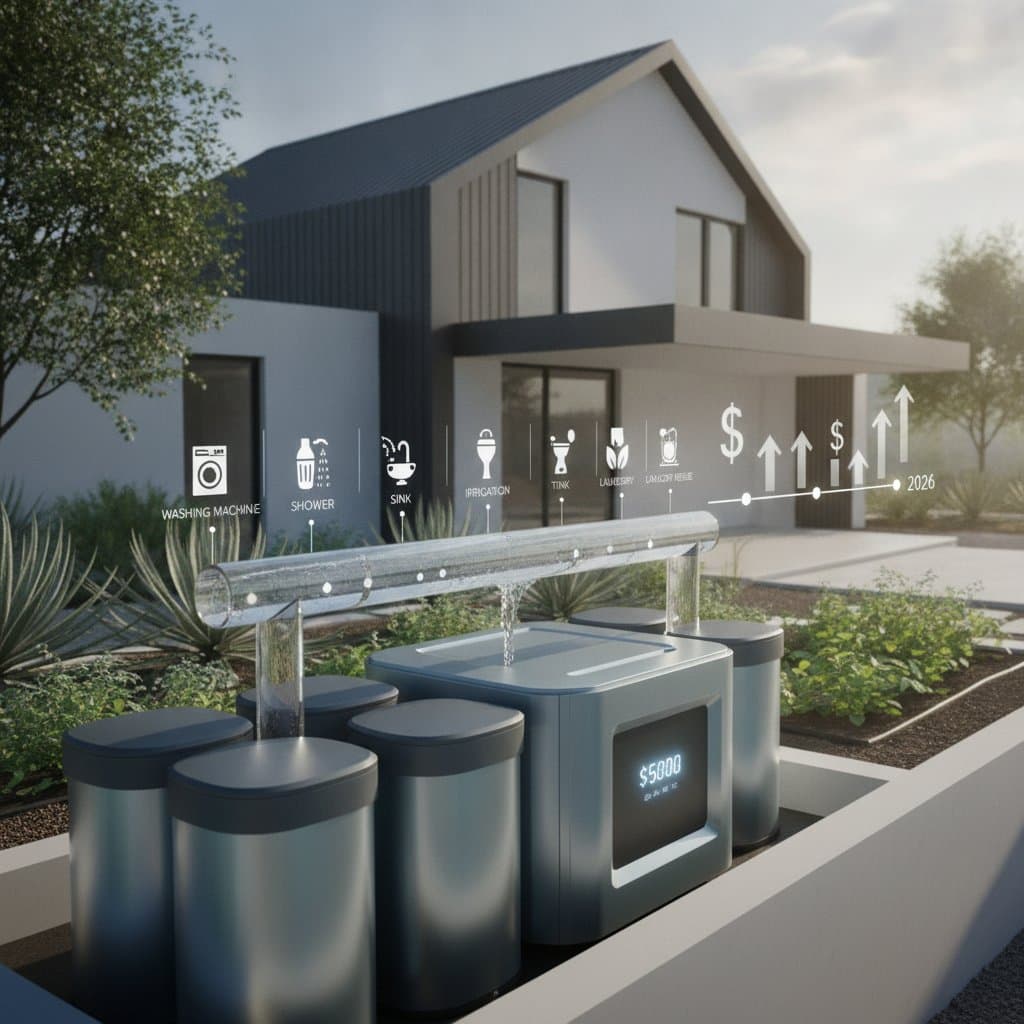
Homeowners often overlook the potential of everyday wastewater. Each shower, dishwashing session, or laundry load sends clean water to waste without a greywater system in place. These systems capture and repurpose water from sinks, showers, and washing machines, which reduces water bills and conserves local resources. Understanding installation and maintenance costs provides a clear path to sustainable home improvements.
Key Cost Overview
Residential greywater systems typically range from $2,500 to $7,000 for full installation, covering essential plumbing, pumps, and filtration. Basic laundry diversion systems start at $800 to $1,500, ideal for straightforward irrigation setups. Advanced whole-home configurations with storage and treatment can exceed $10,000. Factors such as system complexity, site conditions, and professional involvement determine the exact investment.
System Types and Their Cost Structures
Greywater systems divide into three primary categories, each suited to different needs and budgets. The choice influences not only upfront expenses but also ongoing performance and regulatory compliance.
| System Type | Cost Range | Ideal Application | Filtration Needs |
|---|---|---|---|
| Laundry-to-landscape | $800–$1,500 | Compact properties with irrigation | Basic lint screen |
| Branched drain | $2,000–$4,000 | Standard homes with accessible pipes | Mesh filter for debris |
| Whole-house storage | $5,000–$10,000+ | Expansive residences or new construction | Comprehensive treatment and pumping |
Core Components Breakdown
Every system includes specific elements to ensure safe and effective operation.
- Collection lines: Pipes that gather water from targeted sources like bathroom sinks or laundry outlets.
- Diverter valves: Mechanisms to route greywater for reuse or back to the sewer during heavy use or maintenance.
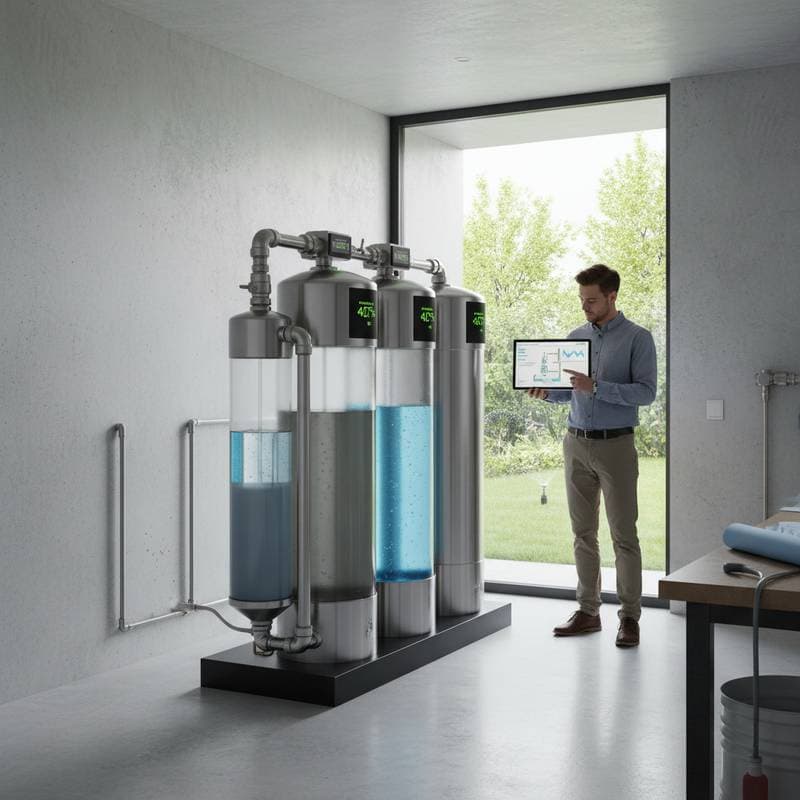
- Filtration units: Devices to trap solids such as hair, lint, and soap residue.
- Storage tanks: Capacities from 50 to 250 gallons, depending on household water generation.
- Distribution lines: Networks that deliver treated water to gardens, landscapes, or indoor fixtures like toilets.
Professional labor adds $75 to $150 per hour, with most projects requiring two to three days for a standard home. Site assessments help identify any unique challenges, such as soil type or elevation changes, that could adjust these estimates.
DIY Options Versus Professional Services
Individuals with plumbing experience can tackle a laundry-to-landscape system using tools like PVC cutters, adjustable wrenches, and thread sealant. Pre-packaged kits often include instructions and fittings for straightforward assembly. However, municipalities frequently mandate professional oversight for connections to existing drains or compliance checks.
For installations involving pumps, tanks, or subsurface irrigation, engage a certified specialist. Such expertise prevents issues like pipe blockages, unpleasant odors, or unintended mixing with sewage. Always verify local permits before beginning work to avoid fines or rework.
Design for Accessibility and Performance
Sustainability extends to usability, particularly for households with varying physical abilities. Install automatic diverters and accessible filters to minimize physical effort. Position tanks and maintenance points at comfortable heights, around waist level, for routine checks.
Toilet-flushing systems conserve 6,000 to 10,000 gallons yearly in a typical four-person home. Irrigation setups yield savings based on climate and landscape demands; arid regions benefit most. Integrate sensors for automated distribution to optimize water use and prevent overload.
Pitfalls to Sidestep During Setup
Several errors can undermine system reliability and safety.
- Connect only approved sources; exclude toilets and kitchen sinks to avoid health risks from contaminants.
- Ensure proper grading with a minimum 2 percent slope for gravity flow, preventing standing water.
- Install screens at entry points to catch particulates and maintain flow.
- Calibrate output to match plant tolerances, avoiding root damage from excess moisture.
- Schedule regular servicing; clean filters every three to six months to sustain efficiency.
Ongoing Maintenance and Returns
Annual upkeep remains modest at $50 to $150, primarily for filter swaps and inspections. Pumps endure five to seven years with proper care. Pairing greywater with rainwater collection amplifies benefits, potentially slashing municipal water reliance by 40 percent.
Track performance through simple meters to quantify savings and refine operations. Long-term, these systems enhance property value in water-conscious markets.
Steps to Launch Your Project
Review municipal codes and consult water district guidelines first. Solicit bids from at least two qualified installers, specifying inclusions like warranties and post-install support. Time the project with renovations, such as bathroom updates, to integrate plumbing efficiently and control costs.