Introduction to Greywater Systems
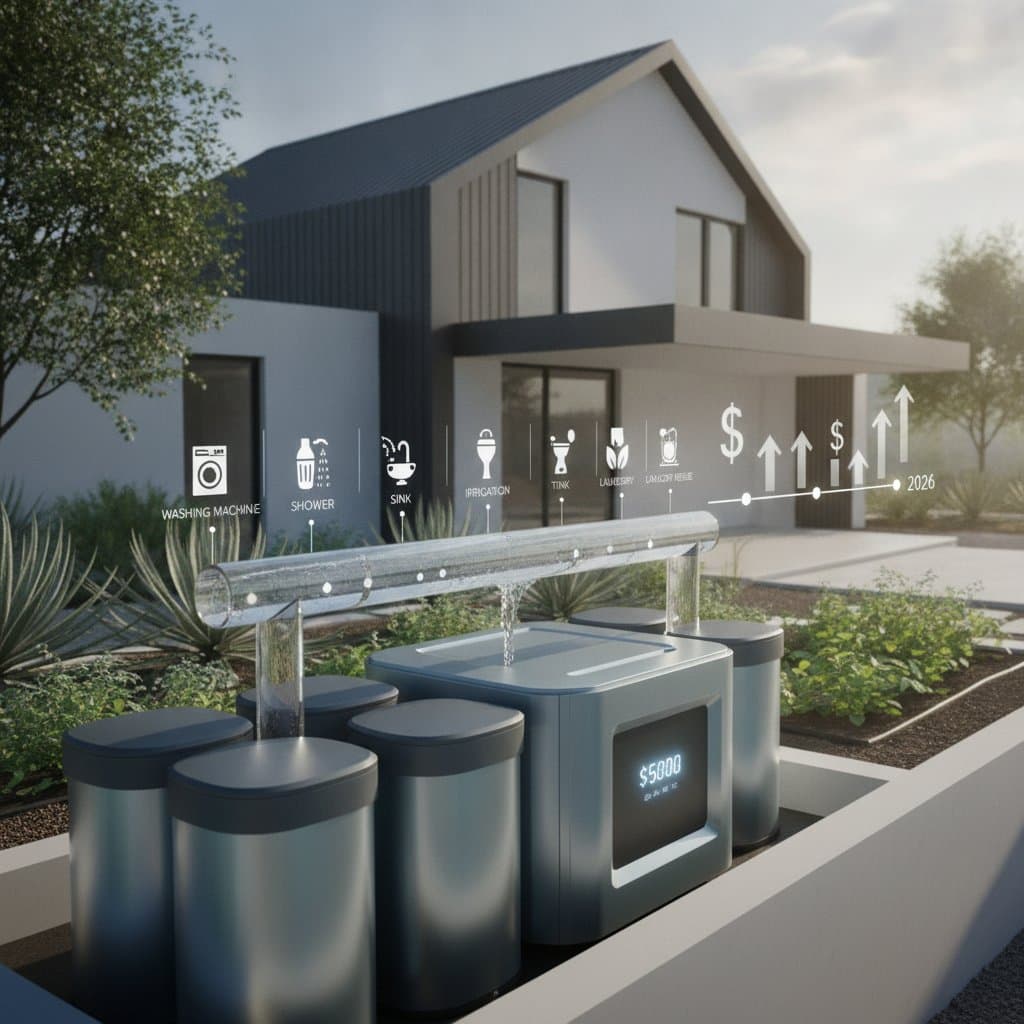
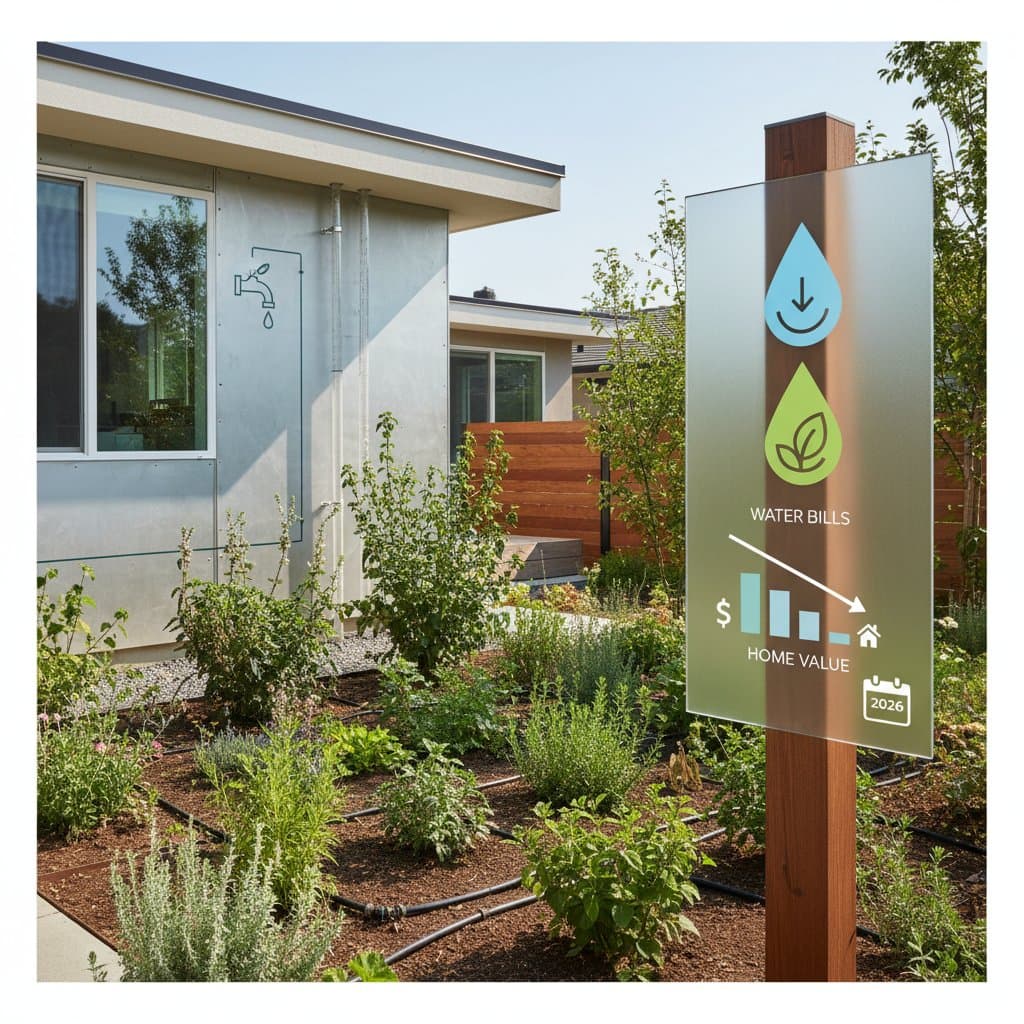
Greywater refers to wastewater from sinks, showers, and laundry that lacks toilet contaminants. These systems collect and redirect greywater for uses like irrigation, reducing reliance on municipal supplies. In 2026, with rising water costs and conservation demands, greywater setups offer homeowners a practical path to savings and sustainability.
Installation typically ranges from $1,500 for simple gravity-fed units to $10,000 for advanced filtered systems, depending on home size and features. Permits vary by location but often require soil tests and plumbing diagrams. Proper design ensures safe reuse, preventing health risks while enhancing property value.
Essential Safety Guidelines for Greywater Use
Safe greywater management protects health and complies with regulations. Follow these core practices to avoid issues.
- Do not store greywater for more than one day, as stagnant water breeds bacteria.
- Use only biodegradable soaps and detergents, avoiding products with boron or chlorine.
- Keep greywater separate from blackwater, which includes toilet waste.
- Label all pipes clearly to prevent cross-contamination during future repairs.
- Install a diversion valve or emergency bypass to route water to the sewer if treatment fails.
Suggested image: Close-up photo of a labeled greywater valve and filter, with alt text: “greywater valve labeled for safe household use.”
Regular maintenance, such as cleaning filters monthly, sustains system efficiency and safety.
Ways to Reduce Installation Costs
Greywater installation can appear costly upfront, yet strategic choices lower expenses significantly. Average costs in 2026 hover around $4,000 to $7,000 for mid-sized homes, but savings tactics make it accessible.
Practical cost-saving tips:
- Design early. Integrate greywater planning into renovations or plumbing updates to minimize additional labor.
- Reuse existing lines. Link to nearby laundry or sink drains that feed gardens or landscape areas.
- Use gravity. Opt for gravity-fed systems over pumped ones, which cut energy use and maintenance needs.
- DIY partial work. Handle simple tasks like trenching if experienced, then engage professionals for inspections and connections.
- Seek rebates. Check local utilities or environmental agencies for incentives covering up to 50% of costs.
- Use modular systems. Begin with a single source, such as laundry output, and scale up over time.
When obtaining quotes, request itemized breakdowns of materials and labor. This transparency reveals opportunities to negotiate or source affordably.
Comparing Greywater to Other Water Recycling Options
Greywater fits into broader water conservation efforts, complementing methods like rainwater collection. Understanding differences aids informed decisions.
Greywater vs. Rainwater Harvesting:
- Greywater sources from indoor fixtures, providing consistent volume regardless of weather.
- Rainwater, gathered from roofs, offers purer quality suitable for broader applications but depends on precipitation.
- Greywater ensures supply during droughts, while rainwater storage demands larger tanks.
Greywater vs. Blackwater Treatment:
- Blackwater systems handle sewage, involving advanced purification at higher costs, often $15,000 or more.
- Greywater setups remain simpler, focusing on lighter contaminants for residential irrigation.
Suggested chart: A side-by-side comparison table of greywater, rainwater, and blackwater systems, with alt text: “comparison chart of residential water reuse systems.”
Combining approaches maximizes efficiency; for instance, pair greywater irrigation with rainwater potable use.
Environmental and Community Benefits
Greywater adoption eases strain on water resources, conserving up to 40% of household usage. It replenishes soil without chemicals, fostering healthier landscapes.
Community benefits include:
- Reduced demand on municipal water infrastructure during peak seasons.
- Enhanced soil moisture that supports local biodiversity and plant vitality.
- Lower pollutant discharge into waterways through on-site reuse.
- Inspiration for widespread adoption, amplifying collective conservation efforts.
Sustainability organizations highlight greywater as an accessible entry to green living, requiring minimal disruption to daily routines.
Planning Your Greywater Project
Effective planning starts with assessing your property. Review plumbing schematics, evaluate yard topography, and research zoning rules to build a viable system.
Steps for planning success:
- Identify water sources. Prioritize high-volume producers like washing machines or showers for maximum impact.
- Check slope and distance. Ensure irrigation zones sit below collection points for gravity flow, ideally within 50 feet.
- Select filtration type. Mesh screens suit light use; sand or bio-filters handle heavier loads for clearer output.
- Calculate daily volume. Track usage to estimate 20-50 gallons per person, guiding pipe and tank sizing.
- Contact professionals. Schedule consultations to validate designs and secure permits early.
Document your sketch with measurements and material lists for accurate budgeting.
Implementing and Maintaining Your System
Launch your project by securing approvals, then proceed with phased installation. Test flows post-setup to confirm functionality.
Ongoing care involves quarterly inspections and annual professional reviews. Track savings through utility bills to measure return on investment, often recouping costs in 3-5 years.
Greywater systems deliver enduring value, blending financial prudence with environmental stewardship for resilient homes.