Understanding Greywater System Expenses
Homeowners increasingly turn to greywater systems to conserve water and trim monthly bills. These setups collect used water from sources like bathroom sinks, showers, and washing machines, then treat and reuse it for tasks such as garden watering or toilet flushing. Installation expenses fluctuate based on property specifics, local rules, and system sophistication, making it essential to evaluate options carefully before proceeding.
Core Cost Breakdown
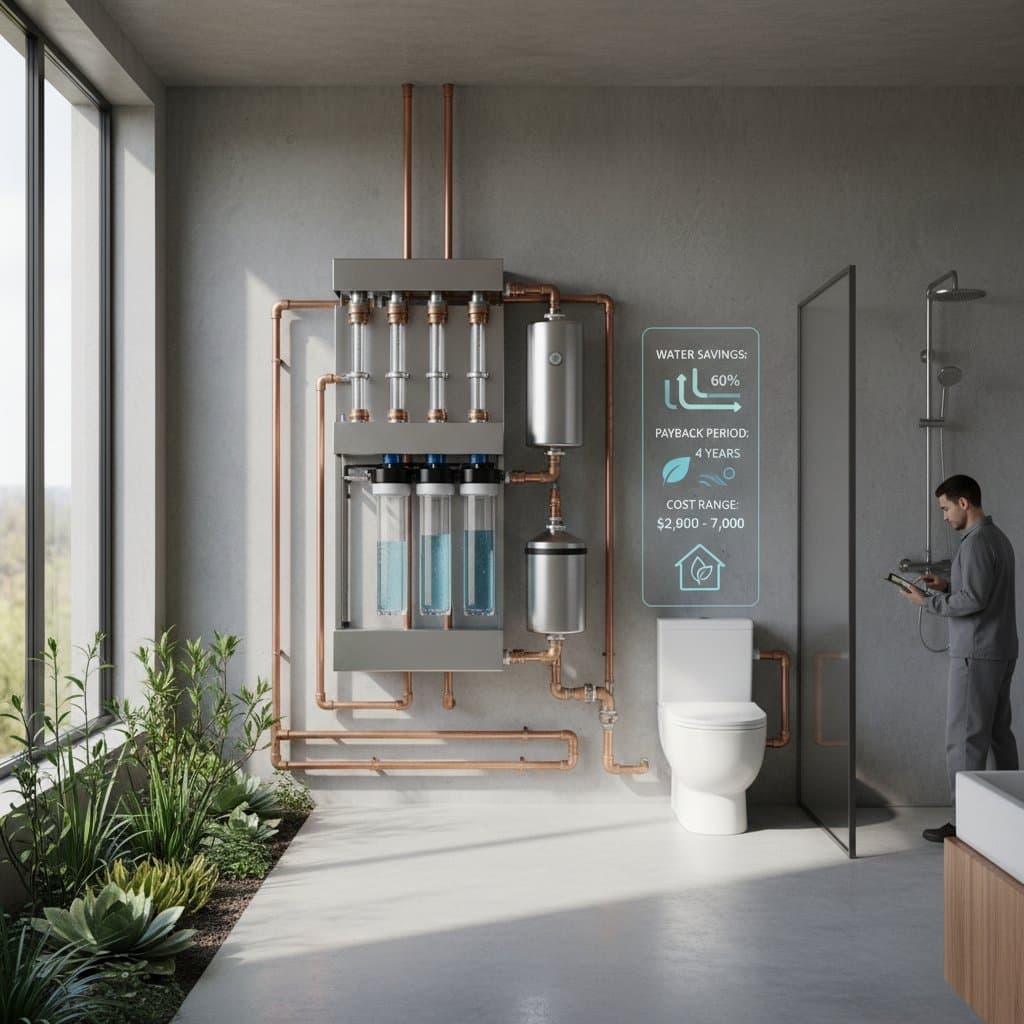
For most single-family homes, a typical greywater installation runs between $2,500 and $7,000. Entry-level versions that route laundry outflow straight to garden beds begin at about $1,000 and involve basic hose connections and diverter valves. More elaborate configurations with multi-stage filters, pumps, and holding tanks climb to $15,000 or higher, providing broader coverage and superior water quality.
Location plays a significant role in these figures. In water-scarce regions like the Southwest, heightened demand and rigorous permitting push prices upward by 15 to 20 percent. Urban coastal zones encounter elevated labor fees due to higher wages, whereas rural settings benefit from contractor efficiencies that keep costs 10 to 25 percent lower.
Installation timing ties into seasonal patterns. Peak summer demand in arid climates can inflate rates as contractors prioritize urgent jobs, while off-peak winter periods yield savings through promotional offers. Broader economic pressures, including a recent 8 percent rise in component prices noted by industry observers, further shape budgets.
Common Pricing Approaches
Installers tailor billing to project details, offering flexibility for varied needs.
- Hourly billing suits minor adjustments or diagnostics, with rates from $60 to $125 for certified technicians.
- Fixed-price contracts provide certainty for routine home setups, locking in totals upfront.
- Unit-based fees apply to apartment complexes or multi-unit builds, charging per fixture or zone.
- Package deals combine setup, testing, and initial servicing for streamlined budgeting.
- Maintenance plans, priced at $25 to $50 monthly, cover routine checks and part replacements.
Flat-rate options appeal to budget-conscious individuals, while ongoing contracts suit those prioritizing reliability over time.
System Levels and Associated Costs
Options span from simple diversions to high-tech integrations, each matching different efficiency levels.
- Entry-level setups channel water from one appliance, like a washer, to nearby plants, costing $1,000 to $2,500 with straightforward pipe rerouting.
- Mid-range models add basic filters and circulation pumps for yard-wide use, priced at $3,000 to $6,000.
- High-end versions incorporate reservoirs, sophisticated purification, and app-based controls, ranging from $7,000 to $12,000.
- Bespoke installations for expansive properties or businesses surpass $20,000 when including remote diagnostics.
Many begin modestly and scale up as conservation needs grow, ensuring adaptability.
Factors Shaping Total Expenses
Project specifics drive the bottom line through direct and indirect influences.
- System reach: More collection points and distribution areas demand extra piping and components.
- Pipe configuration: Vintage or buried lines necessitate excavation or specialized tools, adding labor.
- Project duration: Quick jobs finish in hours; comprehensive overhauls span days, multiplying charges.
- Component quality: Durable reservoirs and antimicrobial filters raise initial outlay but reduce long-term repairs.
- Regulatory hurdles: Approval fees from local authorities typically add $200 to $500.
Plumbing expert Rachel Kim from EcoFlow Designs observes, “Accessibility remains the top cost driver; seamless layouts can shave up to 30 percent off estimates.”
Optional Enhancements and Fees
Tailored additions enhance performance without overhauling the core system.
- Filter improvements: Simple screens run $150, but advanced units with ultraviolet disinfection hit $800.
- Reservoir choices: Surface-level units cost $500, while buried variants with integrated pumping reach $3,000.
- Digital oversight: IoT sensors for flow tracking and alerts add $400 to $1,000.
- Priority scheduling: Urgent or after-hours work increases labor by 10 to 20 percent.
Routine upkeep, including filter swaps and system flushes, comes via packages at $150 to $300 annually, preventing clogs and extending durability.
Greywater Versus Alternative Conservation Methods
Greywater edges out rainwater collection for steady irrigation supply, independent of weather. Mid-level systems cut landscape watering expenses by 25 to 40 percent, per sustainability analyses, with full cost recovery in five to eight years via bill reductions. This reliability suits high-usage households better than variable precipitation-dependent setups.
Local incentives accelerate returns; rebates from $300 to $1,000 await qualifying projects in vulnerable regions. Contact your water district early to confirm eligibility and application steps.
Selecting a Reliable Installer
Prioritize professionals holding green plumbing credentials and greywater specialization. Request client testimonials, license verification, and itemized proposals detailing parts and timelines. Established firms such as GreyTech Plumbing or AquaReuse Solutions back their work with multi-year guarantees on materials and installation.
Evaluate bids holistically: Superior engineering and support often justify modest premiums over bare-minimum quotes.
Steps to Install and Maximize Benefits
Implementing a greywater solution repurposes household outflow into an asset, yielding ongoing savings. Assess your property's layout and usage patterns first, then secure multiple estimates to align with goals. Partnering with skilled experts ensures compliance and optimal function, transforming water management into a straightforward, rewarding upgrade.