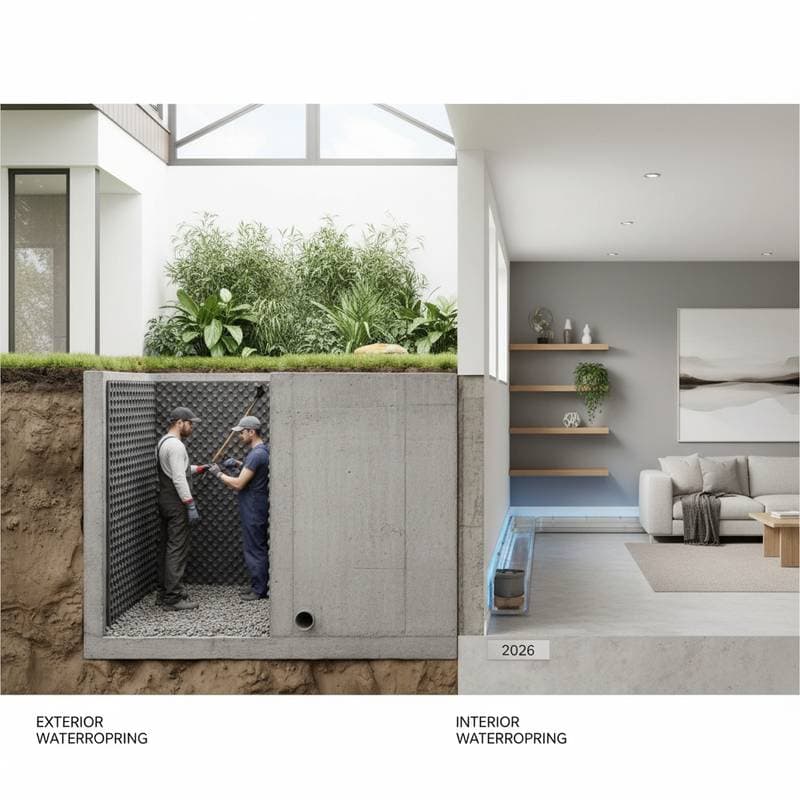
Interior vs Exterior: Basement Waterproofing Costs
A damp basement poses more than an inconvenience. Water intrusion can compromise the foundation, foster mold growth, and diminish property value. Homeowners confronting water stains or pooling after storms benefit from basement waterproofing as a strategic investment for enduring protection. The primary choice involves selecting interior or exterior waterproofing, each influencing effectiveness, expense, installation demands, and durability.
This guide details the processes of both approaches, outlines typical cost ranges, and provides guidance for aligning the selection with basement characteristics, soil types, and financial constraints.
Average Cost Range for Interior Basement Waterproofing
Costs for interior waterproofing fluctuate based on basement dimensions, severity of water entry, and system specifications. Most residential projects fall within $2,000 to $7,000.
Key Cost Factors
-
Drainage System
An interior drain tile or French drain along the perimeter represents a standard remedy. Expect $50 to $80 per linear foot, influenced by access and material choices. -
Sump Pump Installation
Incorporating or enhancing a sump pump ranges from $900 to $2,500, encompassing labor. A battery backup contributes $300 to $600 and safeguards against power failures. -
Crack Repair and Sealants
Injections with epoxy or polyurethane for cracks cost $500 to $1,200 in smaller applications. These seal minor leaks effectively when combined with drainage solutions for sustained outcomes. -
Vapor Barriers and Wall Coatings
Sealants or vapor barriers on walls and floors add $1 to $3 per square foot. Such applications manage humidity levels and enhance indoor air, though they address only internal moisture without countering external forces.
Difficulty Rating
Interior waterproofing qualifies as a medium-difficulty endeavor. Professionals ensure accurate drainage gradients and pump positioning, avoiding extensive digging. Completion occurs in one to three days, scaled to project magnitude.
Comparing Interior vs Exterior Waterproofing Costs and Lifespan
Beyond expense, evaluations must encompass durability, site disturbance, and moisture origins when assessing methods.
| Feature | Interior Waterproofing | Exterior Waterproofing |
|---|---|---|
| Typical Cost | $2,000 - $7,000 | $8,000 - $20,000 |
| Project Duration | 1 - 3 days | 1 - 2 weeks |
| Disruption Level | Low | High |
| Lifespan | 10 - 15 years | 20 - 40 years |
| Best For | Minor leaks, condensation, hydrostatic pressure | Severe foundation leaks, exterior water intrusion |
| Maintenance | Sump pump cleaning, sealant reapplication | Drain cleaning, soil grading maintenance |
Interior options suit completed basements or scenarios limiting excavation. Exterior approaches excel in new constructions or extensive remodels with foundation accessibility.
Hybrid Systems for Balanced Protection
Contractors increasingly advocate hybrid systems integrating interior and exterior elements. An exterior membrane repels surface water, complemented by an interior sump for subsurface accumulation. This strategy bolsters resilience in areas prone to intense precipitation or expansive soils that retain water.
Hybrid installations range from $12,000 to $25,000, varying with property configuration and drainage engineering. Such systems prolong structural integrity and mitigate mold hazards over extended periods.
Strategies to Prevent Recurring Water Problems
Post-installation vigilance sustains waterproofing efficacy. Maintain gutters and downspouts to channel water beyond six feet from the foundation base. Regrade surrounding soil periodically to preserve a subtle outward incline away from walls. Conduct biannual sump pump tests and renew backup batteries promptly. For exterior setups, examine drain exits and window wells following significant weather events to clear debris.
Routine checks avert escalation of minor concerns into major expenses. Persistent damp odors or subtle wall marks signal potential new intrusions. Prompt intervention preserves investments and avoids substantial future outlays.
Indicators for Professional Assessment
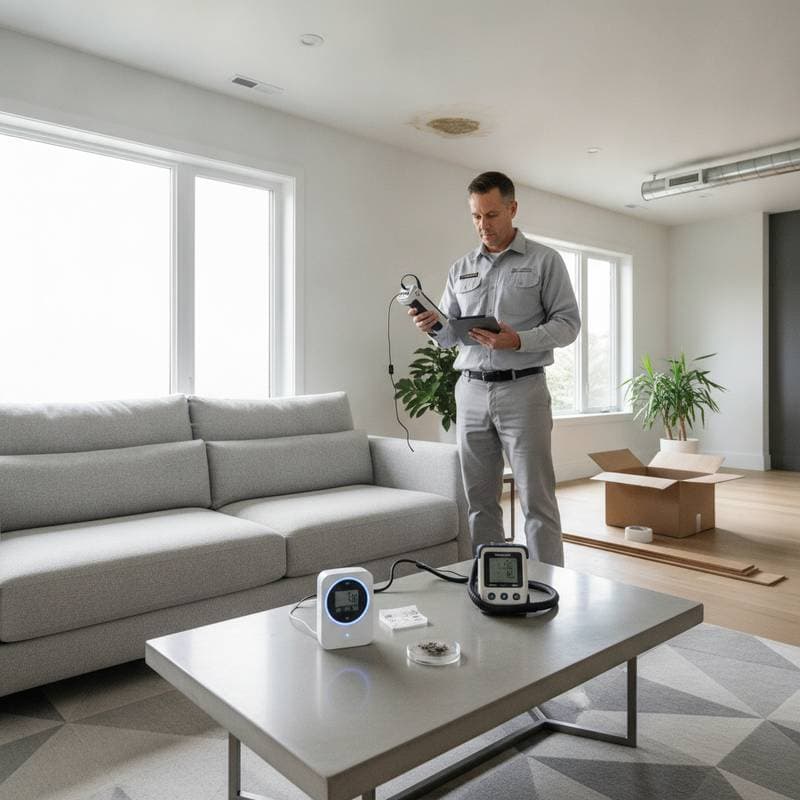
While DIY efforts suit isolated minor tasks, experts advise professional review for ongoing or foundational issues. Horizontal cracks in the foundation, post-rain pooling, or efflorescence manifesting as white deposits on surfaces warrant immediate attention. Specialists deploy tools such as moisture detectors and endoscopic cameras to pinpoint leak sources accurately.
Sustaining Long-Term Foundation Health
Basement waterproofing safeguards a critical home component: the foundation. Opting for interior drainage, exterior barriers, or integrated solutions demands diligent upkeep for optimal results. Retain documentation of services, arrange yearly pump evaluations, and observe wall integrity regularly. These practices secure a dry, stable environment that enhances home longevity and value.