Introduction to Greywater Systems
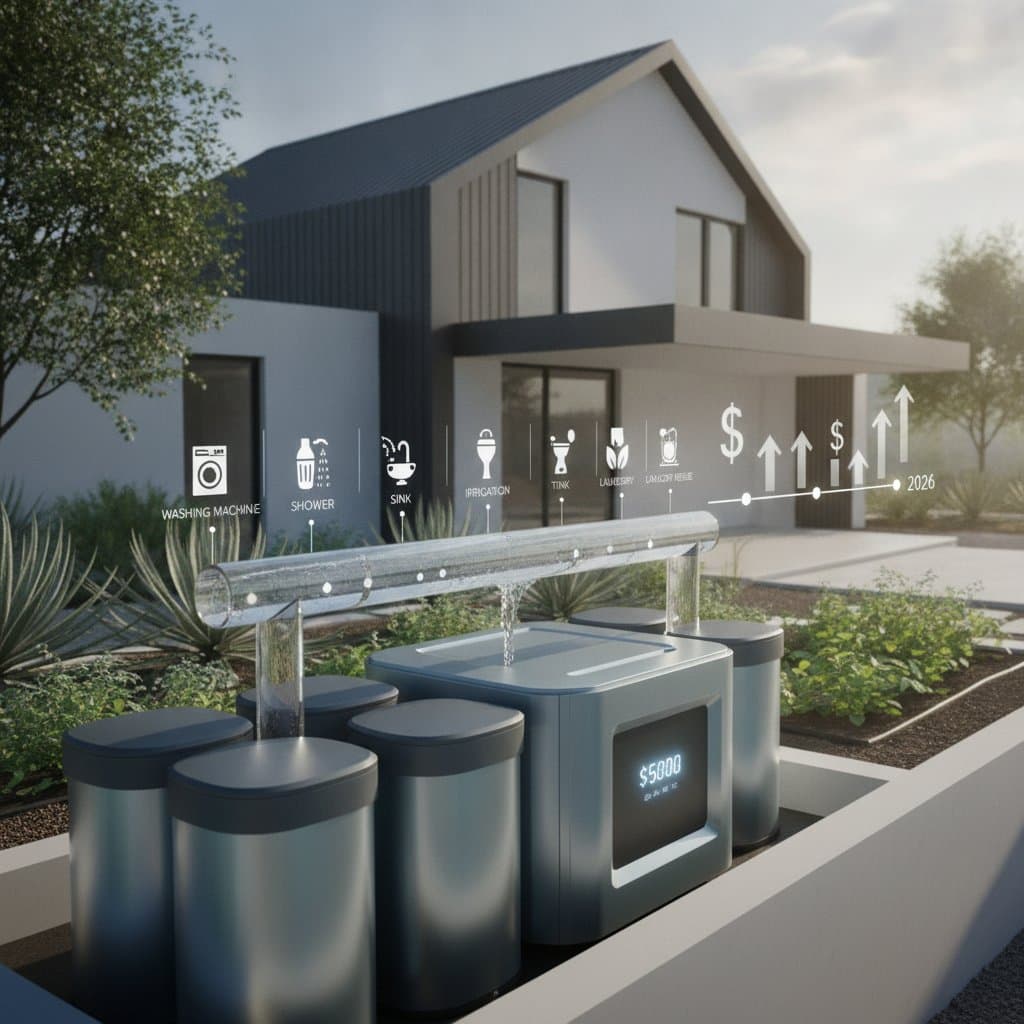
Greywater refers to gently used household water from sinks, showers, and laundry that can be repurposed for irrigation or other non-potable uses. Installing a 2026 greywater system represents a forward-thinking choice for homeowners seeking to lower water bills and contribute to conservation efforts. These systems capture and treat water on-site, reducing reliance on municipal supplies and mitigating the impact of rising utility rates.
With water scarcity affecting many areas, greywater installations provide immediate financial benefits alongside environmental advantages. Homeowners often see bill reductions of up to 50 percent, depending on usage patterns and system scale. This article outlines key considerations, from costs and permits to maintenance and long-term value.
Understanding Installation Costs
The cost of a 2026 greywater installation varies based on system complexity, home size, and local labor rates. Basic setups start at around $1,500, while comprehensive systems can reach $10,000 or more. Factors influencing price include filtration needs, plumbing modifications, and pump requirements.
| System Type | Estimated Cost Range | Key Features |
|---|---|---|
| Laundry-to-Landscape | $1,500 - $3,000 | Simple diversion, no pumps, garden irrigation only |
| Branched Drain | $3,000 - $6,000 | Multi-fixture collection, zoned distribution |
| Tank and Pump | $6,000 - $10,000+ | Storage, advanced filtration, indoor reuse options |
These figures include materials and professional installation. Homeowners can save by opting for DIY-friendly models, but professional oversight ensures compliance and efficiency. Budget for ongoing expenses like filters, which run $50 to $200 annually.
Navigating Permits and Regulations
Most regions require permits for greywater systems to ensure safe operation and protect public health. Begin by consulting local building departments or water authorities for specific codes. Some areas classify simple systems as exempt, while others mandate detailed plans and inspections.
Key steps include:
- Submit a site plan showing water sources, treatment areas, and discharge points.
- Detail filtration and treatment methods to meet health standards.
- Schedule inspections at key stages, such as plumbing connections and final testing.
Permits typically cost $100 to $500 and take two to four weeks to process. Non-compliance risks fines or system removal, so prioritize accurate documentation. Resources from state environmental agencies offer templates and checklists to streamline the process.
Selecting the Right System Type
Choosing a greywater system depends on your home layout, water usage, and reuse goals. Each type balances ease of installation with functionality.
Laundry-to-Landscape Systems
These divert washing machine water directly to outdoor plants. Installation involves minimal plumbing changes and no electricity. They suit small households with gardens, providing irrigation without complex components.
Branched Drain Systems
This approach collects water from multiple drains, such as bathroom sinks and showers, for broader distribution. Plumbing adjustments route flows to a central line, enabling irrigation across yard zones. They require moderate expertise but expand reuse potential.
Tank and Pump Systems
For larger properties, these store treated water in tanks for flushing toilets or laundry cycles. Pumps and advanced filters ensure quality for indoor applications. Though initial costs are higher, they maximize savings in high-water-use homes.
Assess your needs by tracking monthly water bills and mapping fixture locations. Consult a plumber to evaluate feasibility and recommend the best fit.
Installation Process
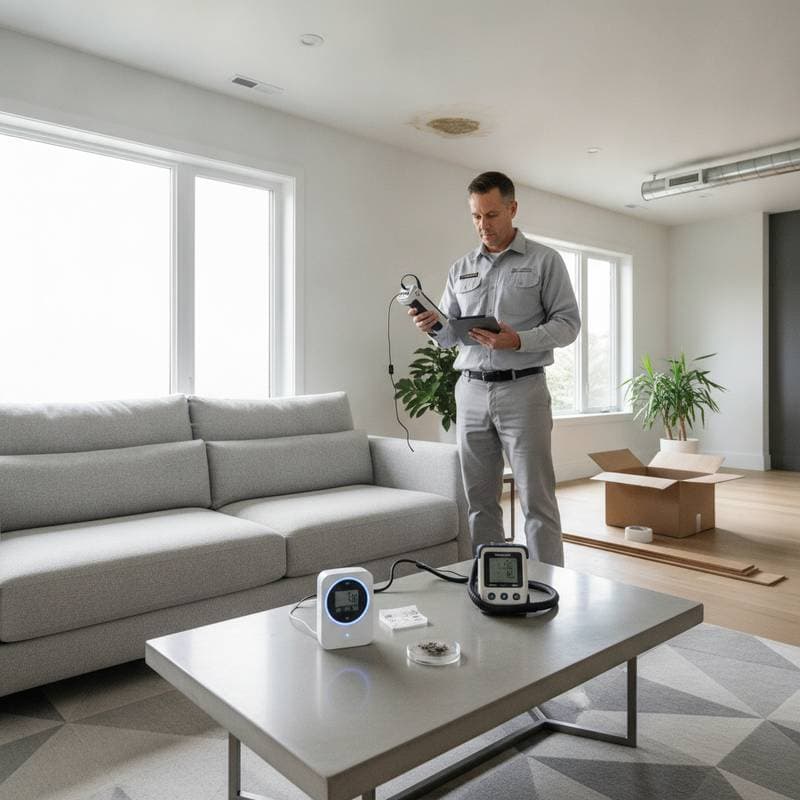
Professional installation ensures reliability and code adherence. Start with a site assessment to identify water sources and suitable reuse areas. Technicians then modify plumbing, install filters, and connect distribution lines.
The process unfolds in phases:
- Preparation: Disconnect power and water; clear work areas.
- Plumbing Integration: Reroute greywater lines, avoiding cross-contamination with blackwater.
- Filtration Setup: Install screens, tanks, or treatment units as needed.
- Testing: Run trials to check flow, pressure, and water quality.
Most projects complete in one to three days. Post-installation, monitor for leaks and adjust as household patterns evolve.
Maintenance and Care
Greywater systems demand regular attention to maintain performance and prevent issues like odors or blockages. Consistent care extends system life and preserves savings.
Basic tasks include:
- Cleaning filters monthly to remove lint and debris.
- Flushing lines quarterly to clear buildup.
- Inspecting pumps and valves biannually for wear.
- Selecting biodegradable soaps to safeguard soil and plants.
- Sealing tanks to deter pests.
Integrate these into routines, such as aligning filter checks with laundry days. Annual professional tune-ups cost $200 to $400 and catch potential problems early.
Insights from Experts and Homeowners
Real-world experiences highlight the practicality of greywater systems. Homeowners frequently share that initial adjustments lead to seamless operation and noticeable bill drops.
One user with a branched drain setup reported, "The savings covered our investment sooner than expected." Plants often flourish due to the nutrient content in greywater, outperforming tap water in some cases.
Plumbing experts emphasize filtration choices: mesh screens suffice for outdoor use, while cartridge or sand filters suit indoor applications. Draw from community forums and agency guides for tailored advice.
Long-Term Benefits and Home Value
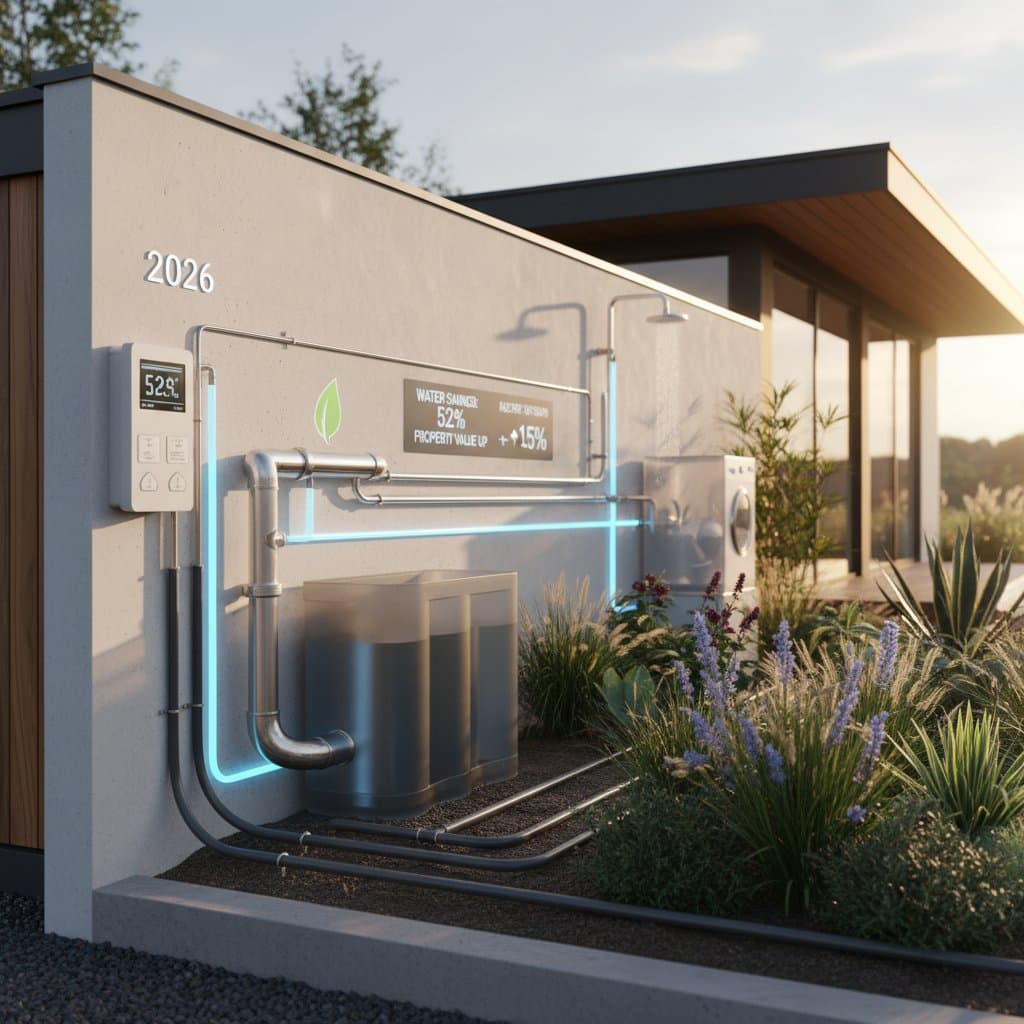
Beyond immediate savings, greywater systems enhance resilience against water shortages and utility hikes. They reduce overall consumption by 30 to 50 percent, easing strain on local resources.
Combine with complementary measures like low-flow fixtures and native landscaping for amplified results. Properties equipped with these systems appeal to eco-conscious buyers, potentially increasing resale value by 5 to 10 percent.
In water-stressed regions, such installations signal proactive stewardship, offering peace of mind and financial security.
Steps to Get Started
Embark on your greywater project by evaluating water habits and consulting local codes. Gather quotes from certified installers, focusing on warranties and support.
Maintain a log of upkeep activities to track efficiency. With proper planning, a 2026 greywater system delivers enduring value through reduced costs and sustainable living.