Understanding Greywater Systems
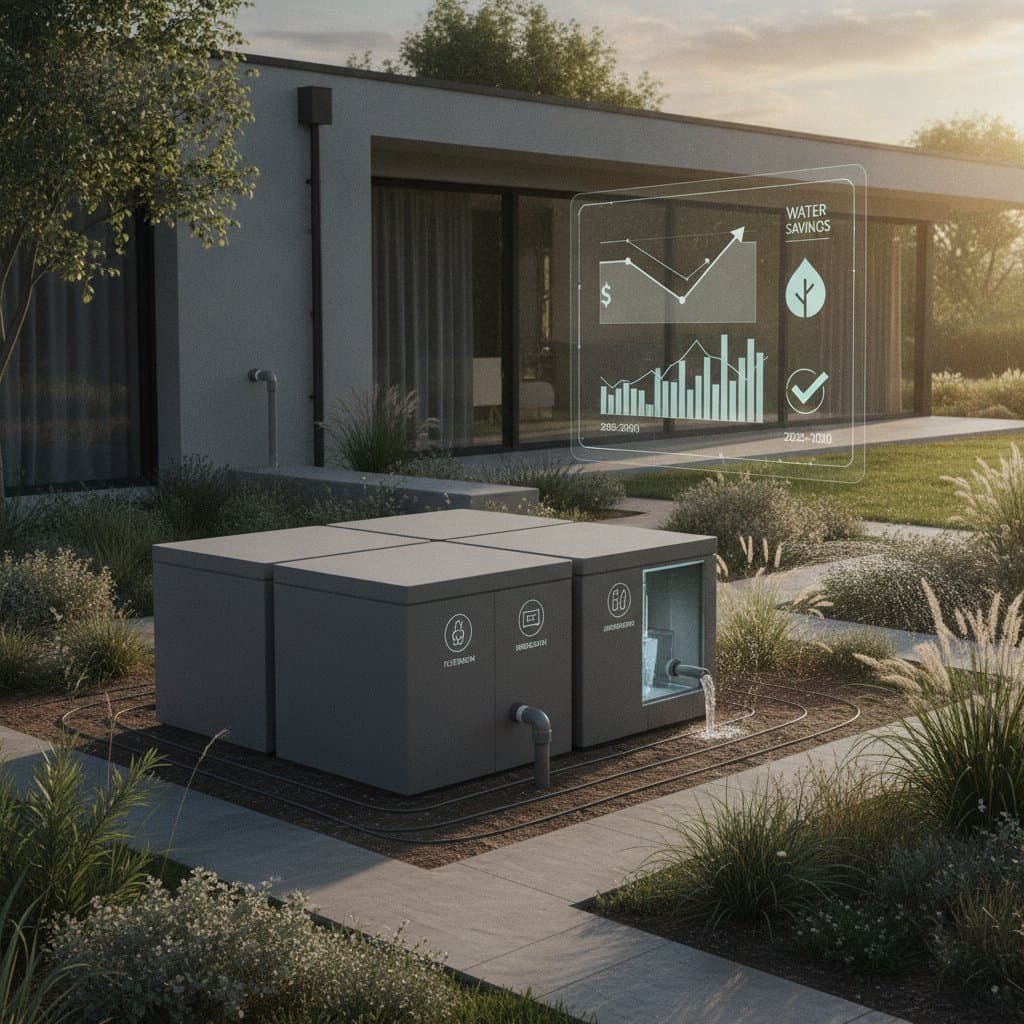
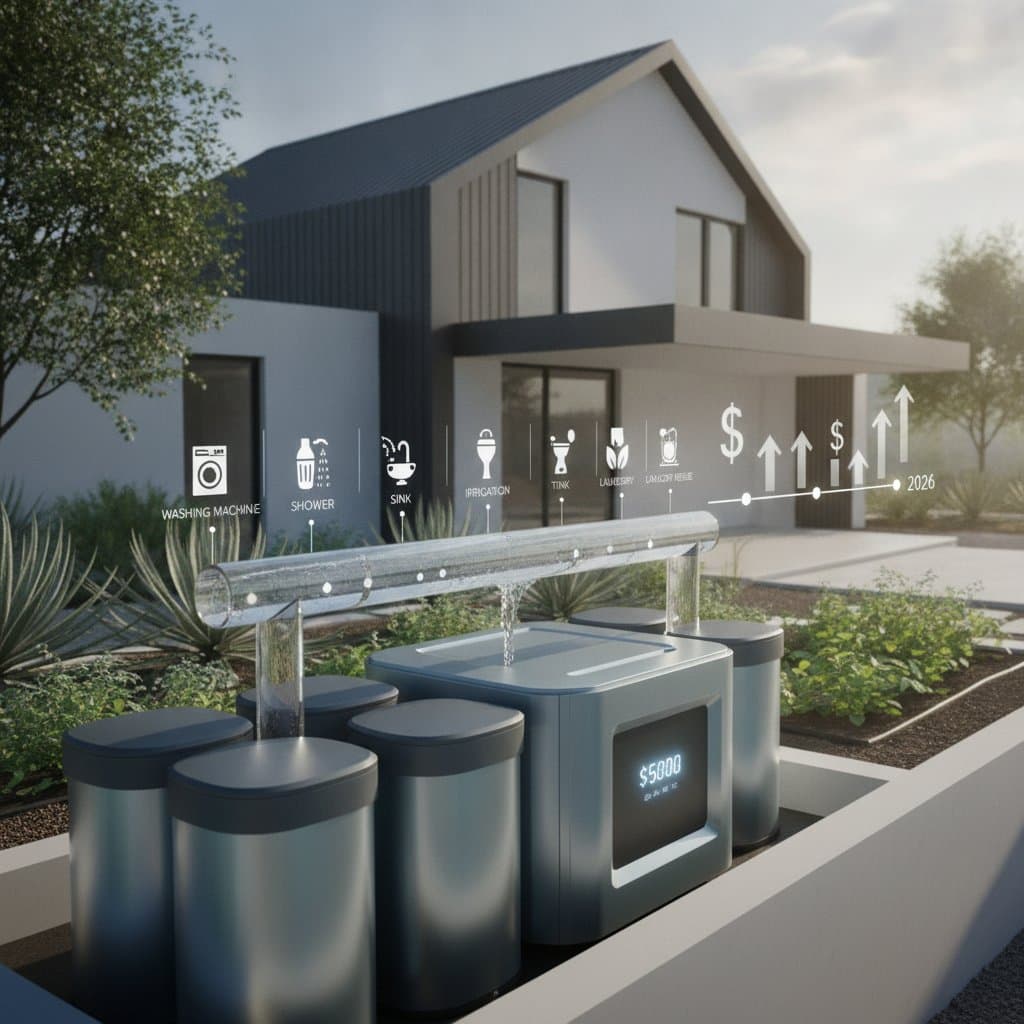
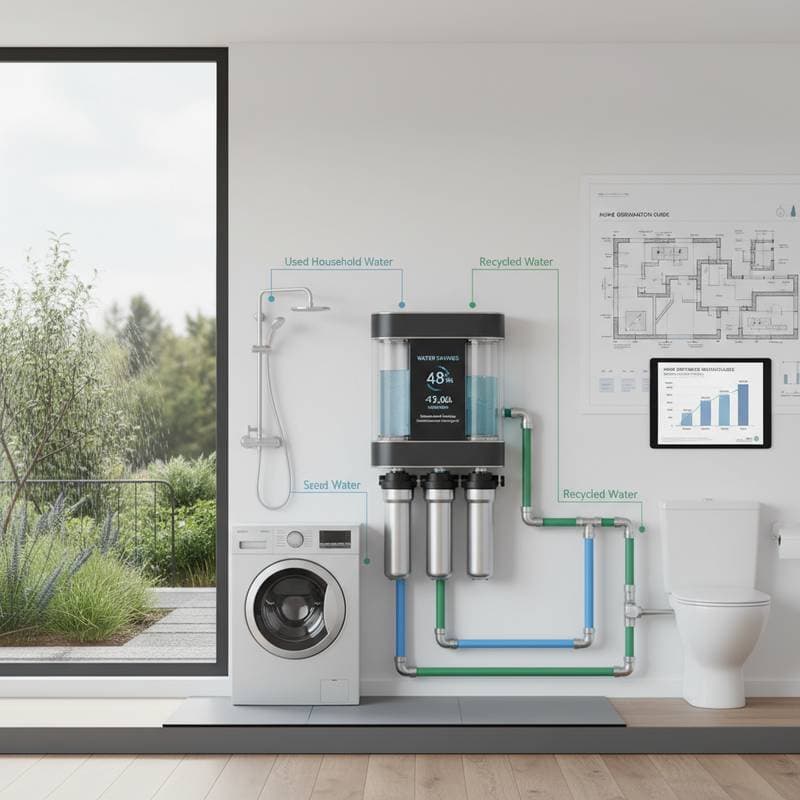
Greywater refers to lightly used household wastewater from sinks, showers, bathtubs, and washing machines. These systems collect and treat this water for non-potable uses, such as garden irrigation or toilet flushing. By diverting greywater from the sewer, homeowners reduce freshwater demand and lower utility expenses by 25 to 60 percent, depending on household size and system scale.
Implementation involves assessing water sources, local regulations, and site conditions. Simple setups focus on laundry effluent, while advanced systems integrate multiple fixtures. Success hinges on selecting components that align with daily water output and landscape needs.
Installation Costs and Timeline
Initial expenses vary based on system complexity and location. Basic laundry-to-landscape systems start at $800, including materials and simple plumbing adjustments. Comprehensive setups with filtration, pumps, and storage can exceed $10,000, particularly in areas requiring advanced treatment.
Permits add $100 to $500, depending on jurisdiction. Professional installers charge $75 to $150 per hour, with projects lasting one to three days. Factors like existing plumbing access and terrain influence duration; slab foundations often demand external routing to minimize disruption.
Annual maintenance runs $100 to $300, covering filter cleaning and inspections. Budget for these costs ensures long-term performance and avoids costly repairs.
Key Components of a Greywater System
Effective systems incorporate durable, code-compliant parts tailored to the property.
- Diverter valve: Routes greywater to storage or directly to irrigation, bypassing the sewer line.
- Filter: Captures solids like hair and lint to maintain flow and protect downstream elements.
- Distribution lines: PVC pipes or flexible hoses deliver water to designated areas.
- Irrigation emitters: Drip lines or basins placed subsurface to minimize exposure and evaporation.
- Storage tank (optional): Stores water for controlled release, ideal for intermittent use.
- Pump (optional): Facilitates distribution over elevation changes or extended distances.
Match components to site specifics; for example, gravity-fed designs suit flat yards, while pumps benefit sloped properties. Consult local codes to ensure compatibility with plumbing standards.
Overcoming Installation Challenges
Planning addresses potential pitfalls that compromise safety and efficiency. Poorly designed systems risk clogs, odors, or contamination, leading to rework or fines.
Common problems include:
- Clogged emitters: Result from inadequate filtration allowing residue buildup.
- Odors: Arise from stagnant water in unused lines or tanks.
- Backflow hazards: Occur if connections fail to prevent greywater entry into potable lines.
- Overwatering: Happens when output exceeds soil absorption capacity.
Mitigate these by prioritizing accessible filters, proper pipe slopes for gravity drainage, and burial depths of 4 to 6 inches for emitters. Conduct soil tests to calibrate irrigation zones and avoid pooling.
Choosing Between Professional and DIY Installation
DIY appeals to handy homeowners for basic configurations like laundry diversion. Materials for such systems cost $350 to $700, involving a three-way valve and tubing connected to the washing machine outlet. Adhere strictly to codes; never tie into sewer lines without approval.
Opt for professionals on larger projects involving multiple sources or pressurized lines. Experts verify pipe diameters, gradients, and filtration efficacy while securing permits and passing inspections. Forum discussions from sustainable living communities indicate professionals reduce setup time by 40 percent and enhance system durability.
Evaluate skills and scope: DIY suits simple, low-risk setups, but complex integrations demand certified plumbers or greywater specialists.
Essential Maintenance Practices
Regular upkeep preserves system integrity and water quality. Rinse filters monthly to remove debris, and flush lines quarterly to clear sediment.
For tanks, drain and clean twice yearly to prevent bacterial growth. Select greywater-compatible detergents free of bleach, boron, or salts to safeguard plants and soil.
Inspect valves and emitters every few months for smooth operation and no pooling. These routines avert odors, maintain flow, and extend component life.
Broader Environmental and Property Advantages
Greywater systems ease pressure on public utilities by decreasing wastewater volume sent to treatment facilities. They also curb pollutant runoff into groundwater and enhance garden soil moisture.
Property owners gain from elevated market appeal. Real estate professionals note that eco-features like these accelerate sales and command premiums in water-scarce areas.
Compliance with sustainability standards can earn green certifications, attracting environmentally conscious buyers seeking reduced operating costs.
Building a Resilient Water Management Strategy
A greywater system fosters household adaptability to water scarcity. With diligent maintenance, it operates reliably for decades, outperforming outdated models through modern materials.
Many expand initially modest setups by integrating rainwater harvesting or sensors that monitor soil moisture for precise dosing. This evolution optimizes resource use and amplifies savings.
Thoughtful installation converts wastewater into an asset that sustains landscapes, trims expenses, and advances ecological responsibility. Homeowners who prioritize design, regulation adherence, and routine care secure enduring benefits for their properties and communities.