Unlock Savings and Sustainability: Your Guide to Greywater System Costs
Greywater systems collect water from sinks, showers, and laundry for reuse in irrigation or toilet flushing. These setups help homeowners lower utility bills while contributing to water conservation. This guide explores cost factors, installation requirements, and long-term financial benefits to assist in choosing the right system for your property.
How Greywater Systems Operate
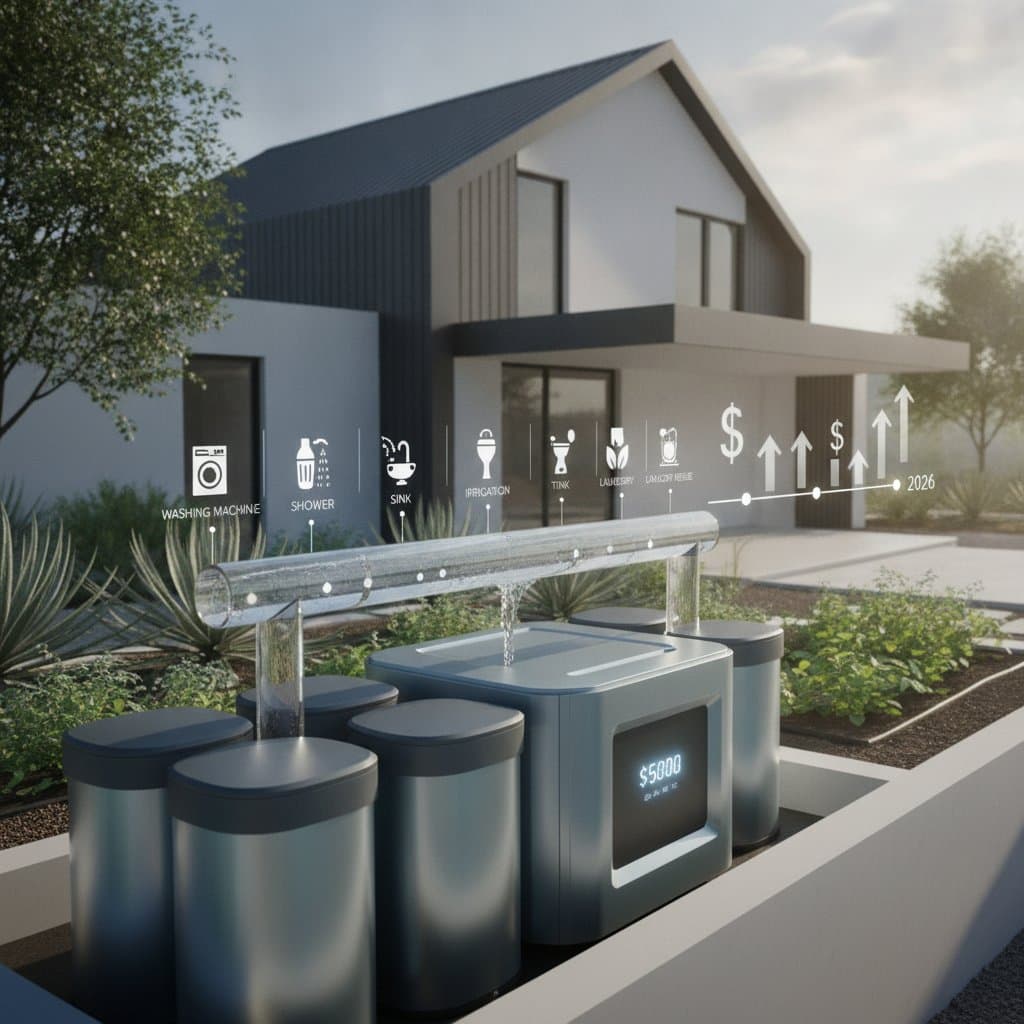
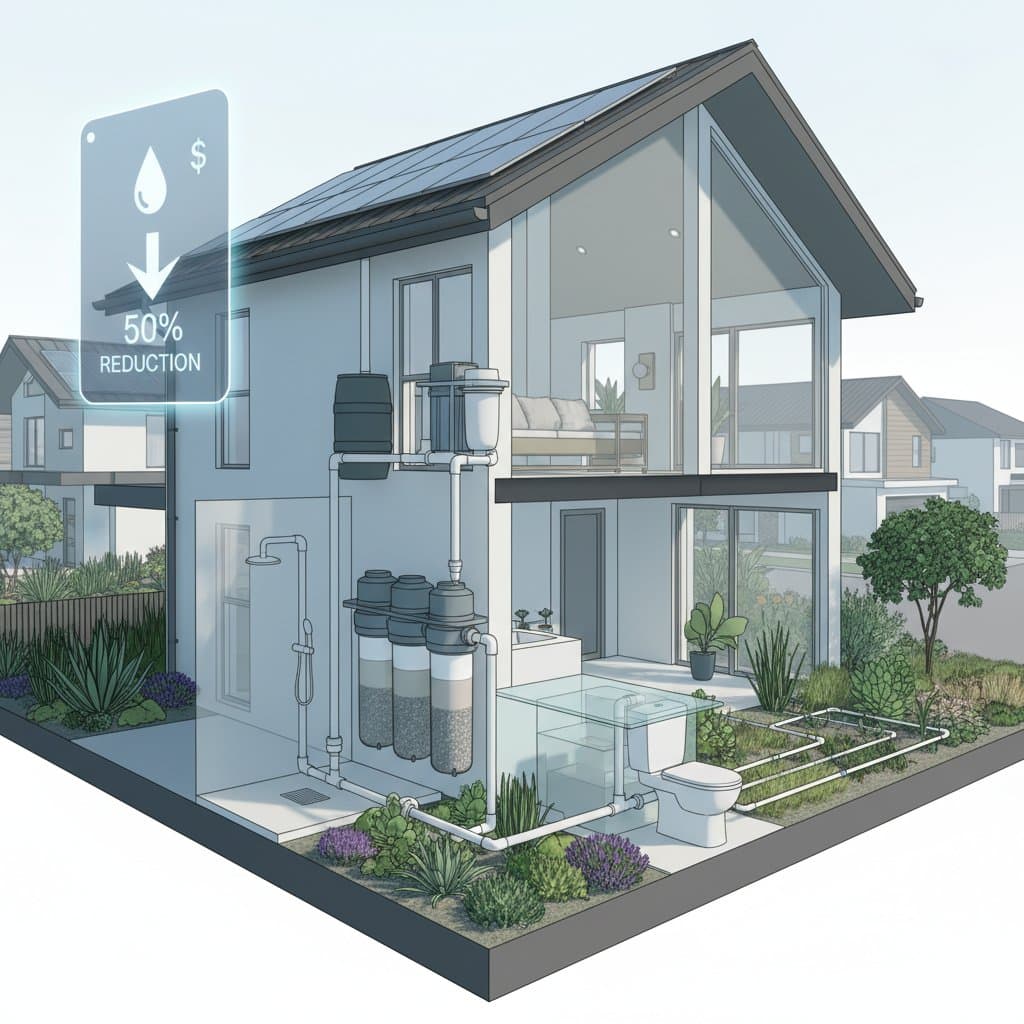
Greywater systems capture water from non-toilet household sources, excluding kitchen sinks to avoid grease buildup. The water undergoes basic filtration before redirection to uses such as garden watering, toilet replenishment, or exterior rinsing. By doing so, these systems reduce reliance on municipal supplies and decrease overall water costs for households.
Suggested image: A labeled diagram showing the flow from collection points through filtration to distribution in a greywater setup.
Why Install a Greywater Recycling System
Homeowners turn to greywater recycling for three primary gains: lower water bills, support for local conservation efforts, and reduced environmental footprint. In drought-prone areas or regions with rising rates, savings appear quickly. Even in moderate climates, redirecting water from outdoor uses delivers noticeable reductions.
Key benefits:
- Reduced monthly water expenses through reuse
- Decreased load on septic systems from lower freshwater demand
- Support for drought-resistant landscaping
- Boosted home value via eco-upgrades
Types of Greywater Systems
System selection depends on your home's plumbing layout, yard size, and reuse intentions. Each type balances upfront costs with ease of use and efficiency.
- Manual diversion systems: These route shower or laundry water directly to garden beds without pumps or tanks. Initial costs range from $200 to $500, but users must choose plant-safe, biodegradable cleaners to prevent soil damage.
- Semi-automatic filtration units: Featuring basic filters, storage tanks, and simple pumps, these prepare water for broader applications like irrigation or toilets. Prices typically fall between $1,000 and $3,000, with maintenance involving quarterly filter changes.
- Fully automated systems: Advanced models include UV disinfection, sensors, and app controls for minimal oversight. Costs start at $5,000 and rise with capacity, ideal for larger homes seeking integration with home automation.
Suggested image: A comparison chart outlining costs, maintenance needs, and ideal uses for each system type.
Breaking Down Greywater System Costs
Total expenses vary based on system complexity, home layout, and local regulations. Key components include materials, professional services, and compliance steps.
Main cost factors:
- Equipment: Tanks, pumps, filters, piping, and controls account for 40 to 60 percent of the total, often $500 to $4,000 depending on scale.
- Installation labor: Plumbers or specialists handle connections and testing, adding $1,000 to $3,000 to ensure safe operation.
- Permits and inspections: Local authorities require approvals, costing $100 to $500, to confirm health and building code compliance.
- Maintenance supplies: Annual filters and cleaners run $100 to $300 to keep the system running smoothly.
Suggested chart: A bar graph illustrating the percentage breakdown of costs for equipment, labor, permits, and maintenance in a standard home installation.
Tailoring Costs to Your Home Size
Smaller spaces demand simpler, budget-friendly options, while expansive properties justify investments in robust setups.
Examples by home size:
- Small homes or apartments: Opt for laundry diversion kits costing under $1,000, focusing on basic yard or balcony irrigation.
- Medium-sized homes: Semi-automatic systems at $2,000 to $4,000 handle garden and toilet flushing for families of four.
- Large homes or estates: Full automation with monitoring, priced from $6,000 upward, supports extensive landscaping and multiple bathrooms.
Calculating Savings and Payback Periods
Potential reductions tie to your area's water rates and daily usage patterns. Most systems offset 30 to 50 percent of household water needs, leading to annual savings of $200 to $1,000 or more.
Payback occurs in three to seven years, accelerated by escalating utility prices. For instance, a family using 100 gallons daily for irrigation could save 10,000 gallons yearly, translating to hundreds in bill reductions.
Expert quote: "Greywater reuse stands out as one of the simplest ways to trim utility costs and protect environmental resources."
Essential Maintenance for Longevity
Consistent upkeep prevents issues and maintains efficiency. Schedule tasks to address filters, storage, and flow paths regularly.
Maintenance checklist:
- Inspect and clean filters every one to three months, following manufacturer schedules
- Check pipes, seals, and pumps for leaks or wear during seasonal reviews
- Use only biodegradable, low-sodium soaps to protect plants and prevent soil salinity
- Drain and flush tanks every six months to eliminate sediment and odors
Neglect can lead to clogs or water quality drops, so integrate checks into your routine.
Ensuring Safety and Meeting Regulations
Safe greywater use requires strict separation from drinking water lines and adherence to codes. Certified components and professional oversight minimize risks.
Critical safety measures:
- Limit untreated greywater storage to 24 hours to avoid bacterial growth
- Apply only treated water to edible plants, using drip methods to keep it off foliage
- Install covers on tanks and outlets to block pests and debris
Work with licensed installers to navigate local rules, which may mandate backflow prevention or soil testing.
Insights from Users and Professionals
Forum discussions highlight quick savings and straightforward setups for many users, with returns often surpassing expectations. Strong filtration and precise piping emerge as common success factors.
Experts advise pairing systems with efficient irrigation like drip lines for best results in landscaping. A seasoned installer notes, "Routine quarterly checks catch 90 percent of issues before they escalate."
Common Questions About Greywater Systems
Can greywater support indoor uses? Yes, filtered versions suit toilet flushing or laundry cycles where codes allow, potentially saving 20 to 30 percent on indoor water.
Is it safe for vegetable gardens? Disinfected greywater works for non-root edibles via surface watering; untreated types suit ornamentals only.
Will systems cause odors or attract pests? Properly maintained ones do not; any smells signal the need for cleaning or better ventilation.
How involved is the installation process? DIY suits basic diversions with plumbing knowledge, but professionals handle permits and complex integrations for reliability.
Getting Started with Greywater Implementation
Evaluate your water sources, reuse priorities, and budget to select a system. Secure permits early and engage certified professionals for installation. Track usage after launch to refine operations and amplify benefits.
Expert quote: "Every gallon recycled eases the burden on public treatment plants and preserves freshwater for essential needs."
Realizing Lasting Benefits from Greywater
Adopting a greywater system positions your home for financial relief and ecological responsibility. Beyond immediate bill cuts, it fosters resilient water management amid growing scarcity. Commit to informed setup and care to enjoy sustained savings and a greener lifestyle.