Greywater Costs: Permits and Savings Breakdown
Homeowners increasingly focus on water conservation, and greywater recycling systems offer a practical way to reduce waste and lower utility bills. Greywater consists of lightly used water from showers, sinks, and laundry, which filtration processes render suitable for irrigation and toilet flushing. Although installation requires initial investment, the resulting savings and environmental advantages position these systems as a valuable choice for households committed to sustainability.
Understanding Greywater Systems
Greywater systems capture and redirect wastewater that typically drains away unused. These setups filter and store the water for applications such as garden watering or indoor non-potable uses. Two primary categories exist:
- Direct systems, which channel water from one source, such as a washing machine, straight to outdoor irrigation areas.
- Plumbed systems, which connect to the home's existing plumbing network, incorporating advanced filtration and distribution via pipes.
Direct systems provide simplicity and lower expense, ideal for basic needs, whereas plumbed systems deliver greater flexibility and efficiency, particularly in expansive properties. Factors like installation scale, maintenance demands, and regulatory compliance influence the choice between these options.
Cost Breakdown for Installation
Installation expenses for greywater systems fluctuate based on system scale, technical features, and regional rules. Budgets range widely to accommodate diverse homeowner objectives.
- Basic laundry-to-landscape configurations: These entry-level options typically range from $500 to $2,500. They rely on gravity flow or minimal pumping to transport water to garden beds without extensive infrastructure.
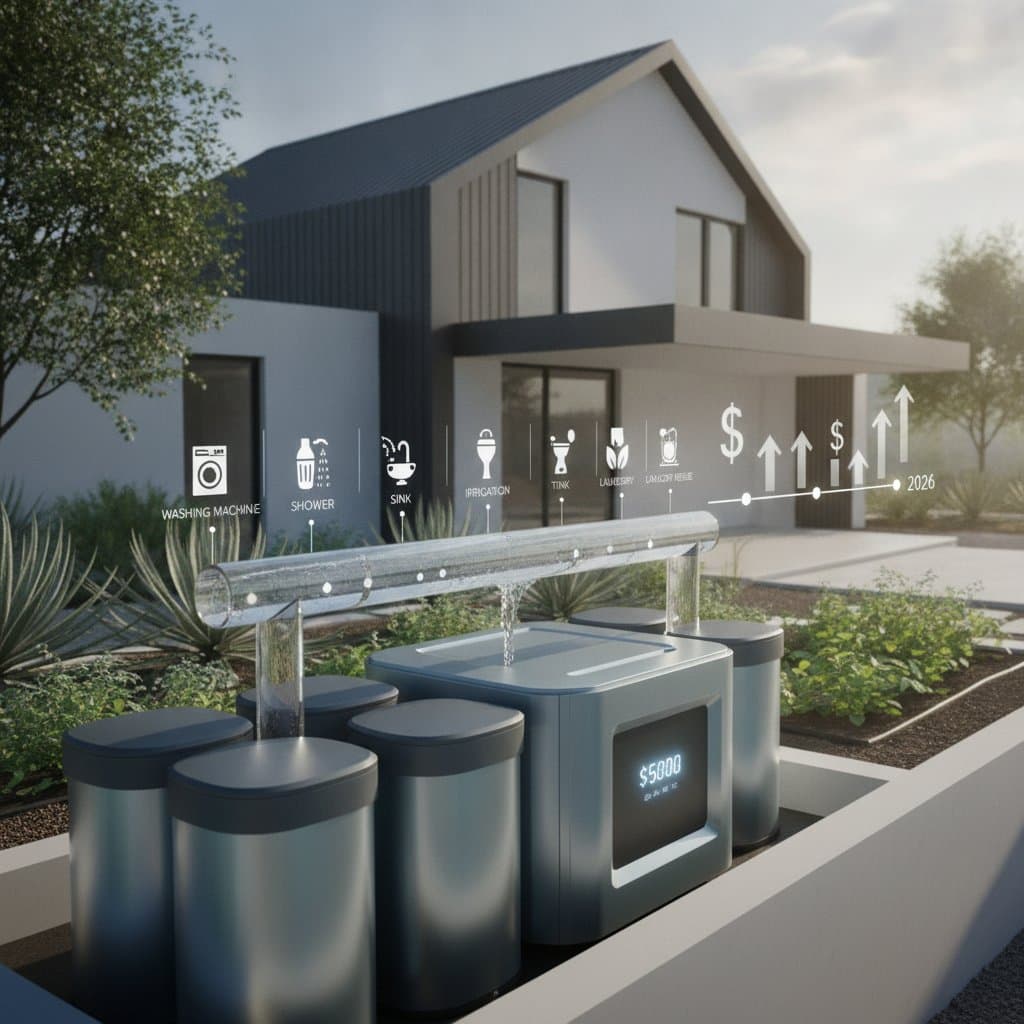
- Comprehensive whole-home setups: Prices start at $5,000 and can exceed $15,000 for advanced models. Such systems incorporate storage tanks, multi-stage filters, and pumps to process water from various fixtures, often necessitating excavation, specialized piping, and expert labor.
Professional services account for approximately 50 percent of overall costs. Certified plumbers or greywater experts verify compliance with health standards and optimize performance. Homeowners opting for self-installation can trim expenses, provided they possess knowledge of local ordinances and prioritize safety measures to prevent contamination risks.
Permit and Inspection Requirements
Local authorities govern greywater permits through building and environmental codes. Straightforward laundry-to-landscape designs often qualify for permit exemptions when they employ subsurface drip irrigation and steer clear of food-producing plants. Complex configurations involving indoor connections or mechanical components invariably demand official approval.
Permit fees generally fall between $100 and $500, covering application, review, and inspection stages. Submit detailed blueprints illustrating water diversion paths, filtration methods, and safety protocols; follow up with an on-site evaluation after completion. Bypassing these steps exposes owners to penalties, including fines up to $1,000 or mandates to dismantle non-compliant installations.
Long-Term Savings and Payback Period
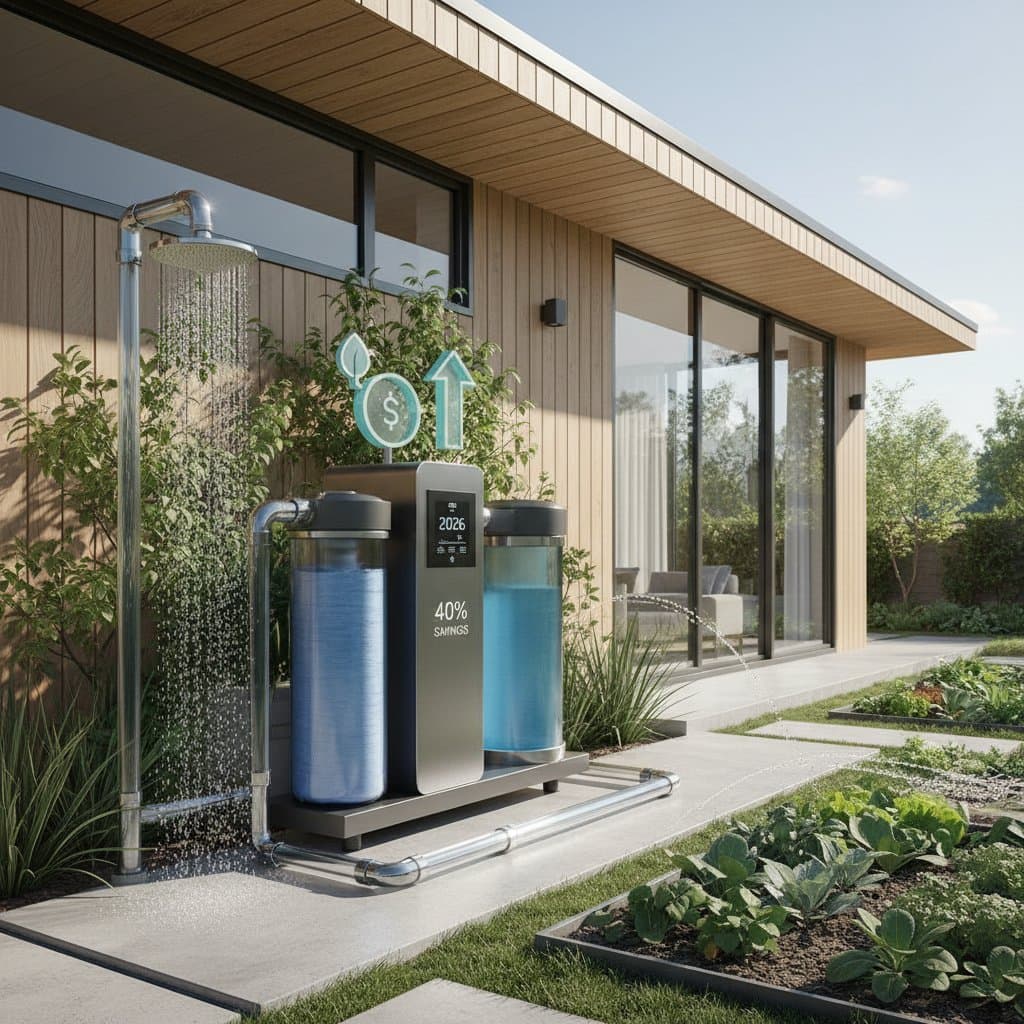
Effective greywater systems curtail household water consumption by as much as 40 percent. This reduction yields measurable decreases in utility expenses and eases pressure on municipal supplies. Systems often recoup their cost within five to ten years, influenced by local water tariffs and usage patterns.
Consider a family in a drought-prone area: redirecting laundry water to irrigate a half-acre yard could save $300 to $600 annually. In water-scarce zones, these installations sustain landscaping amid restrictions, preserving aesthetic and functional outdoor spaces.
One documented example from a sustainability forum describes a mid-sized system installation that slashed a household's yearly water bill by 30 percent. The owners performed routine tasks like filter rinsing quarterly and valve inspections biannually, confirming that modest upkeep amplified financial returns.
When to DIY and When to Hire a Professional
Self-guided projects suit gravity-based systems linked to a solitary appliance, such as a clothes washer. Individuals with plumbing experience can assemble these using off-the-shelf kits from suppliers, following step-by-step guides for hose connections and mulch basin creation. Verify all municipal guidelines upfront to ensure adherence and mitigate health hazards.
Engage qualified professionals for intricate designs featuring pumps, multi-filter arrays, or extensive irrigation networks. Experts assess site conditions, customize flow dynamics, secure necessary approvals, and guarantee durable operation, often providing warranties that enhance long-term value.
Pro Tips for Success
- Map irrigation zones strategically. Position collection points and application areas in proximity to limit pipe lengths and associated expenses.
- Select eco-friendly cleaning agents. Choose detergents free of sodium, chlorine, or heavy metals to safeguard soil health and plant vitality.
- Schedule preventive checks. Flush filters monthly, verify pump functionality seasonally, and monitor for clogs or moisture issues.
- Maintain comprehensive records. Log permit details, service logs, and modifications to support insurance claims or property transactions.
Sustaining Efficiency and Benefits
Greywater systems represent a strategic enhancement to home infrastructure, promoting resource conservation and resilience. Consistent upkeep averts common issues like bacterial growth or mechanical failures, while maximizing operational lifespan.
Evaluate initial outlays against projected rebates and incentives from utility providers to refine budgeting. Ultimately, integrating greywater technology fosters financial independence, reduces ecological impact, and equips homes for future water challenges.