2026 Greywater Installation: Costs and Rebate Opportunities
Greywater systems have transitioned from specialized installations to essential home enhancements. Rising water rates and stricter municipal conservation measures make reusing water from showers, sinks, and laundry machines a strategic choice for lowering utility expenses and minimizing ecological harm. For those scheduling a greywater installation in 2026, emerging rebate initiatives, affordable components, and streamlined setup processes render this upgrade more accessible than in previous years.
This resource details typical greywater system expenses, available rebates to reduce initial outlays, and strategies for designing an installation that aligns with financial constraints and operational objectives.
Factors Influencing Installation Expenses
The overall expense of installing a greywater system varies based on the quantity of connected water sources, existing plumbing configuration, selected system model, and need for expert labor. Typical ranges include the following:
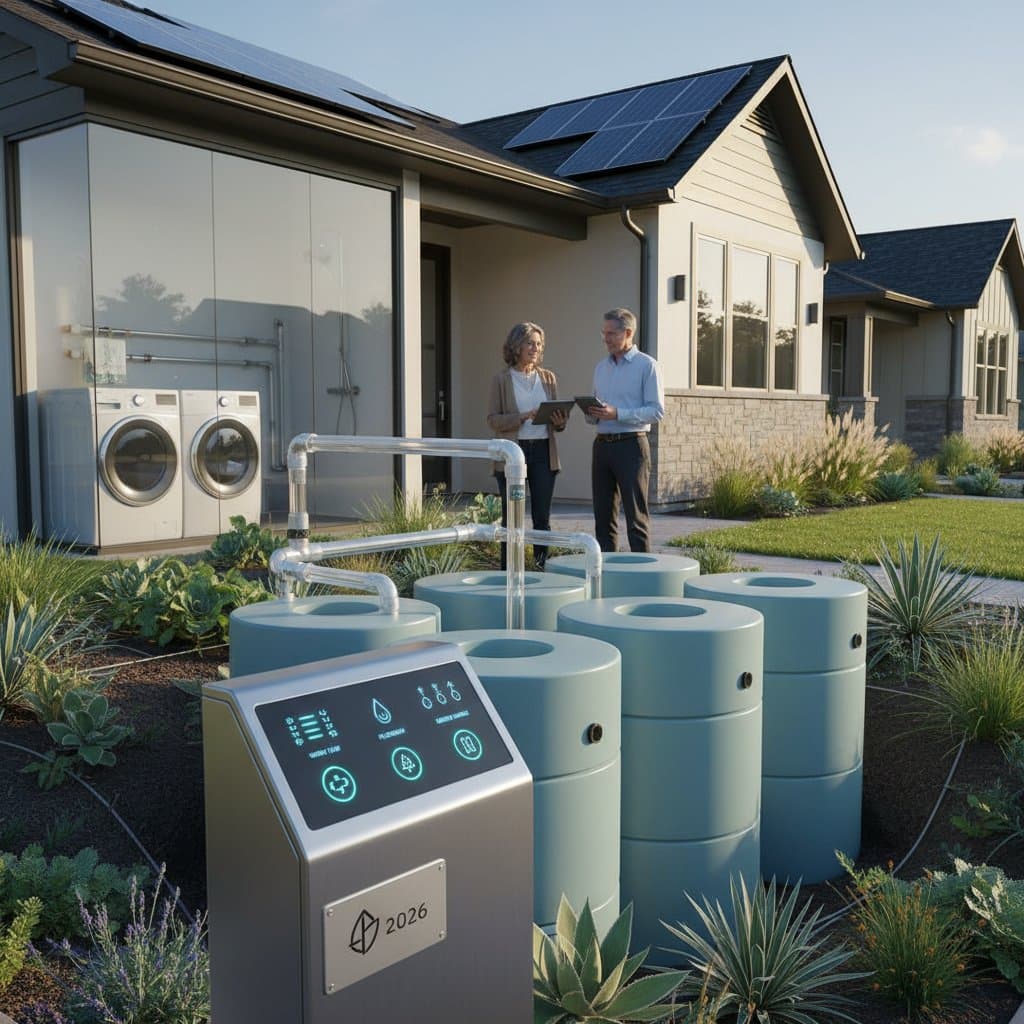
- Laundry-to-landscape configurations: $600 to $2,000, covering materials and installation
- Branched drain setups: $1,500 to $4,000, influenced by landscape complexity
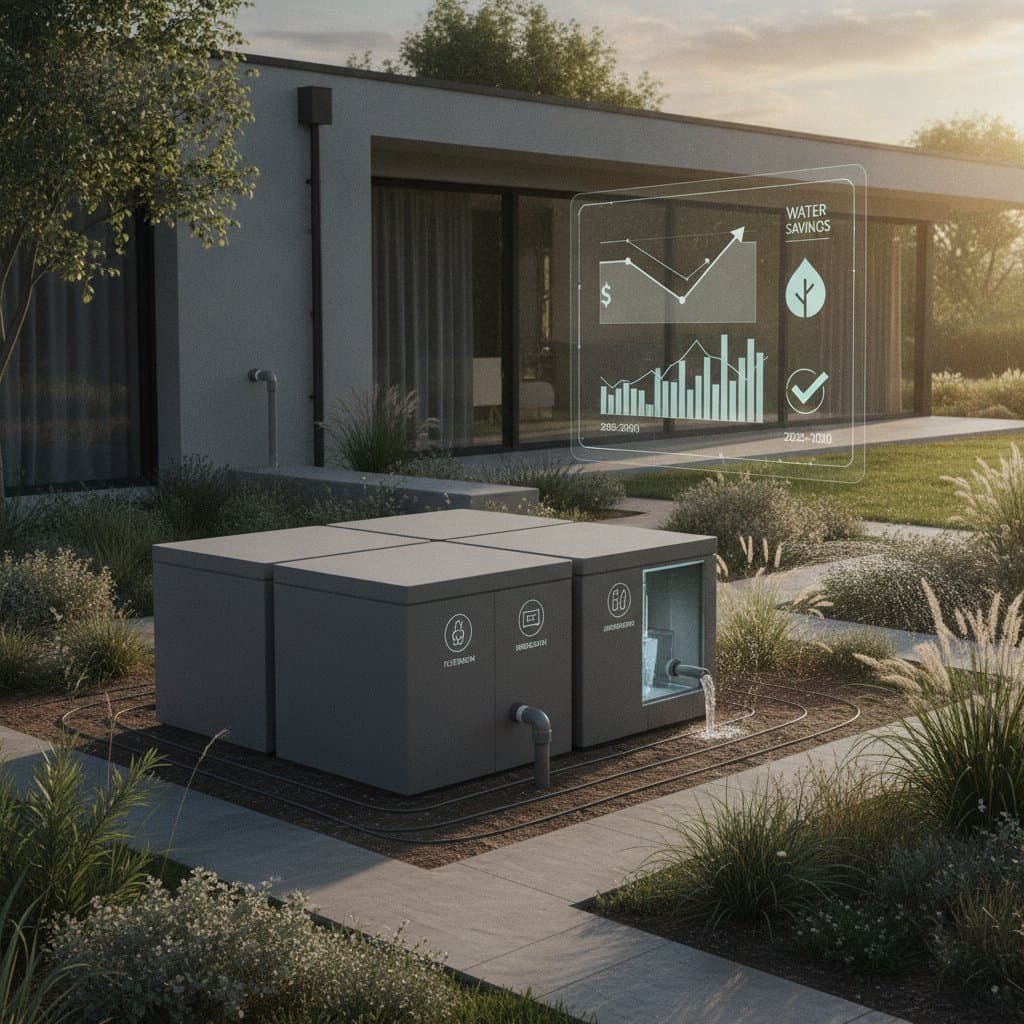
- Filtered storage solutions: $4,000 to $10,000, encompassing tanks, pumps, and purification components
Opting for self-installation may lower labor expenses by as much as 40 percent, though municipal regulations frequently mandate permits and certified plumbers for integrations with domestic plumbing lines. Engaging professionals guarantees adherence to standards and mitigates risks of water contamination.
Primary Expense Components
- Permits and engineering consultations: $200 to $800, varying by jurisdiction
- Excavation and conduit installation: $300 to $1,500, scaling with property size
- Purification and sanitization equipment: $500 to $2,000
- Reservoir containers: $700 to $3,000, based on volume and construction material
Optional enhancements, such as automated transitions between greywater and potable sources, incur additional costs starting at $800 yet enhance operational dependability. Thoughtful system architecture minimizes redundant elements and curbs ongoing upkeep expenditures.
Upkeep Requirements and System Durability
Greywater systems demand consistent care to maintain peak performance. Filters require cleaning every two to three months, while reservoirs need periodic draining to avert unpleasant smells. Annual examinations of pumps and valves verify seamless operation.
Annual maintenance outlays remain reasonable, typically $50 to $150 for cleansing agents and filter renewals. Biennial or triennial professional inspections range from $200 to $300 and contribute to system longevity exceeding ten years.
Frequent Upkeep Oversights
- Application of abrasive cleaners or bleach, which harm vegetation and obstruct filters
- Neglect of minor leaks, resulting in resource waste or ground saturation
- Overlooking filter maintenance, which impairs circulation rates
Adhering to producer recommendations and maintaining a straightforward upkeep calendar ensures dependable function and ecological integrity.
Advantages Extending Past Financial Gains
Although reduced expenses draw initial interest, greywater systems deliver broader value. They diminish reliance on fresh water by 25 to 40 percent, contingent on family composition and consumption patterns. Such reductions not only trim bills but also advance community water resource preservation.
When applied to landscaping, greywater fosters superior soil conditions, with subtle nutrients from cleansing agents promoting robust plant development. Numerous residents observe thriving landscapes and diminished arid areas after adopting greywater for watering.
System integration may elevate real estate appeal, particularly in water-stressed locales where irrigation challenges limit outdoor features. Property specialists in arid zones frequently emphasize greywater setups as premium sustainable modifications.
Strategies for a 2026 Greywater Project
With broadening rebate offerings and evolving construction norms, 2026 presents an optimal period for greywater adoption. Proactive preparation secures optimal incentives and qualified contractors amid rising interest.
Preparation Phases
- Assess available water inputs. Determine suitable appliances and fixtures for system integration.
- Review regional mandates. Certain districts prohibit interior greywater applications or enforce precise treatment protocols.
- Consult experts. A qualified plumber or conservation advisor evaluates plumbing infrastructure and proposes economical configurations.
- Submit rebate applications promptly. Limited funds deplete quickly, so timely requests boost success rates.
- Allocate for ongoing care. Designating yearly upkeep reserves sustains efficiency and averts expensive repairs.
Initiating these actions well in advance facilitates seamless execution and amplifies fiscal and ecological returns.
Securing Your Greywater Investment
A greywater installation represents a tangible step toward affordable water management and communal sustainability efforts. Rebates that offset substantial portions of startup costs, combined with verifiable enduring economies, fortify the economic rationale. Those who strategize meticulously, select durable parts, and comply with area specifications will reap sustained reliability and a reduced ecological profile over the long term.