- The quantity of water sources integrated, such as multiple bathrooms or laundry only
- The distance from the greywater origin to the application site, affecting piping needs
- Soil composition and percolation rates for irrigation-based systems
- Compliance with regional plumbing codes, including permit and engineering approvals
- Supplementary features like submersible pumps, automated timers, or UV disinfection units
Automated systems command premium prices due to their enhanced efficiency and user convenience, though they offer superior performance in diverse conditions.
Long-Term Savings
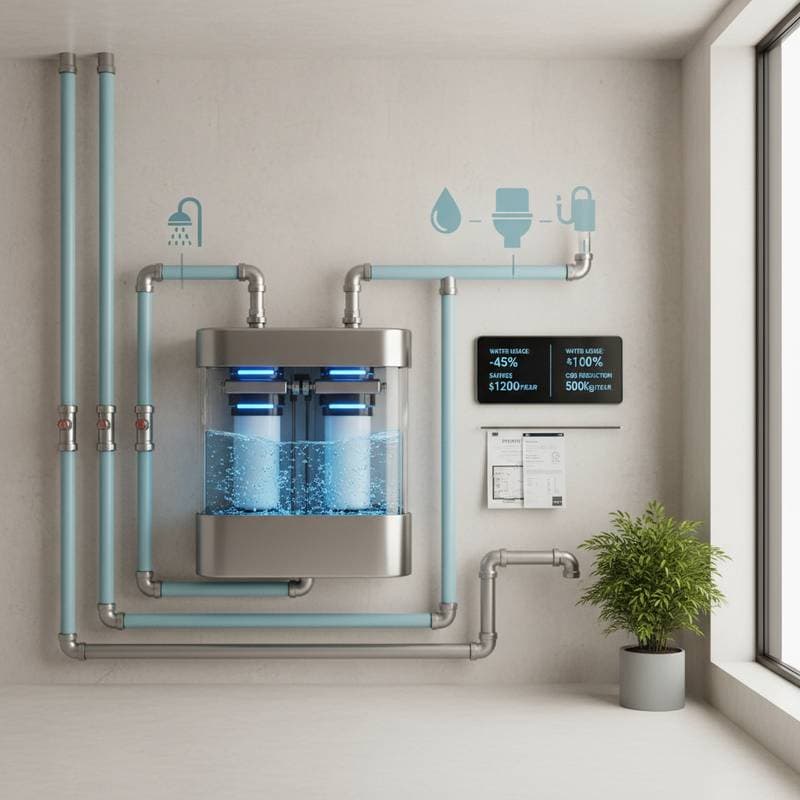
An effectively designed greywater system reduces household water consumption by up to 50 percent, contingent on daily usage habits and system capacity. Monthly reductions in water bills become evident, particularly in regions with elevated rates or drought-imposed restrictions. The return on investment varies by location and water costs, but the combination of financial benefits and ecological advantages often justifies the upfront expenditure within 5 to 10 years.
DIY vs Professional: Making the Right Choice
The decision between DIY and professional installation hinges on personal expertise, technical proficiency, and adherence to local codes.
Advantages of DIY:
- Reduced upfront expenses through self-sourcing materials
- Opportunities for tailored customization to specific site needs
- Hands-on learning about sustainable water management practices
Disadvantages of DIY:
- Potential for leaks, bacterial contamination, or system failures
- Absence of formal warranties or professional troubleshooting support
- Risk of violating plumbing regulations, leading to fines or rework
Professional services mitigate these risks while ensuring seamless integration and longevity.
Your Greywater Questions, Answered
Do I Need a Permit for a Greywater System?
Most jurisdictions mandate permits for systems linked to residential plumbing to safeguard public health and infrastructure. Exemptions may apply to straightforward laundry-to-landscape setups in permissive areas, but confirmation from the local building authority remains essential.
What Maintenance Is Required?
Routine cleaning of filters every 1 to 3 months prevents buildup, while quarterly checks on valves ensure unobstructed flow. Annual professional inspections verify water quality and system integrity, averting costly repairs.
Can Greywater Be Stored for Later Use?
Storage should remain limited to 24 hours maximum to avoid bacterial proliferation and odor development. Effective systems prioritize immediate diversion and distribution to maintain hygiene.
Is Greywater Safe for Vegetable Gardens?
Direct application to edible crops poses risks from residual soaps and pathogens; restrict use to ornamental plants, trees, or shrubs. Mulching application further minimizes soil contact issues.
Will a Greywater System Affect My Home’s Resale Value?
Such installations appeal to eco-conscious buyers, often increasing property value by 1 to 3 percent through demonstrated utility savings and green credentials.
How Much Water Can I Recycle?
Households typically reclaim 30 to 50 percent of total water usage, equating to 10,000 to 20,000 gallons annually for a family of four, based on system scope.
Are There Restrictions on Detergents?
Select plant-friendly, biodegradable detergents with low sodium and phosphorus content to protect soil health and prevent foliage damage.
What Are Common Problems?
Frequent issues include filter blockages from debris, inadequate pipe slopes causing backups, and excessive irrigation leading to waterlogging. Proactive maintenance schedules address these effectively.
Do Greywater Systems Need Electricity?
Pumped or timed variants require power for operation, consuming minimal energy akin to a small appliance. Gravity-based designs function independently of electricity.
How Long Does Installation Take?
Modest DIY projects complete in 1 to 2 days, whereas comprehensive professional setups may span 3 to 7 days, factoring in permits and custom fabrication.
How to Decide: Your Step-by-Step Guide
- Evaluate current water consumption patterns and pinpoint viable greywater sources like showers or washing machines.
- Research municipal regulations, including permit processes and approved system types.
- Obtain quotes for DIY materials from suppliers and compare with contractor bids.
- Analyze site specifics, such as terrain slope, soil drainage, and available space for tanks.
- Budget for ongoing maintenance, including filter replacements and periodic servicing.
Preparing for Your Greywater Project
Prior to starting:
- Examine plumbing schematics to identify accessible drain lines and integration points.
- Measure anticipated flow rates, typically 5 to 20 gallons per minute, to align with end-use demands.
- Allocate funds covering permits (often $200 to $1,000), materials, labor, and contingency for inspections.
- Anticipate scalability, such as adding sources or automation in subsequent phases.
Integrating Greywater for Lasting Efficiency
Implementing a greywater system transforms routine water use into a strategic asset for conservation. Homeowners achieve measurable reductions in bills alongside contributions to broader sustainability goals. With careful planning, this investment delivers enduring value for both personal finances and planetary health.