Demystifying Greywater Costs and Permits
Homeowners seeking to lower water expenses or adopt sustainable practices often encounter greywater systems. Reusing water from showers, sinks, and laundry for tasks like garden irrigation appears straightforward, yet determining actual expenses and permit needs creates uncertainty. This overview clarifies these elements to help evaluate whether a greywater system aligns with your residence and financial plan.
Functions of Greywater Systems
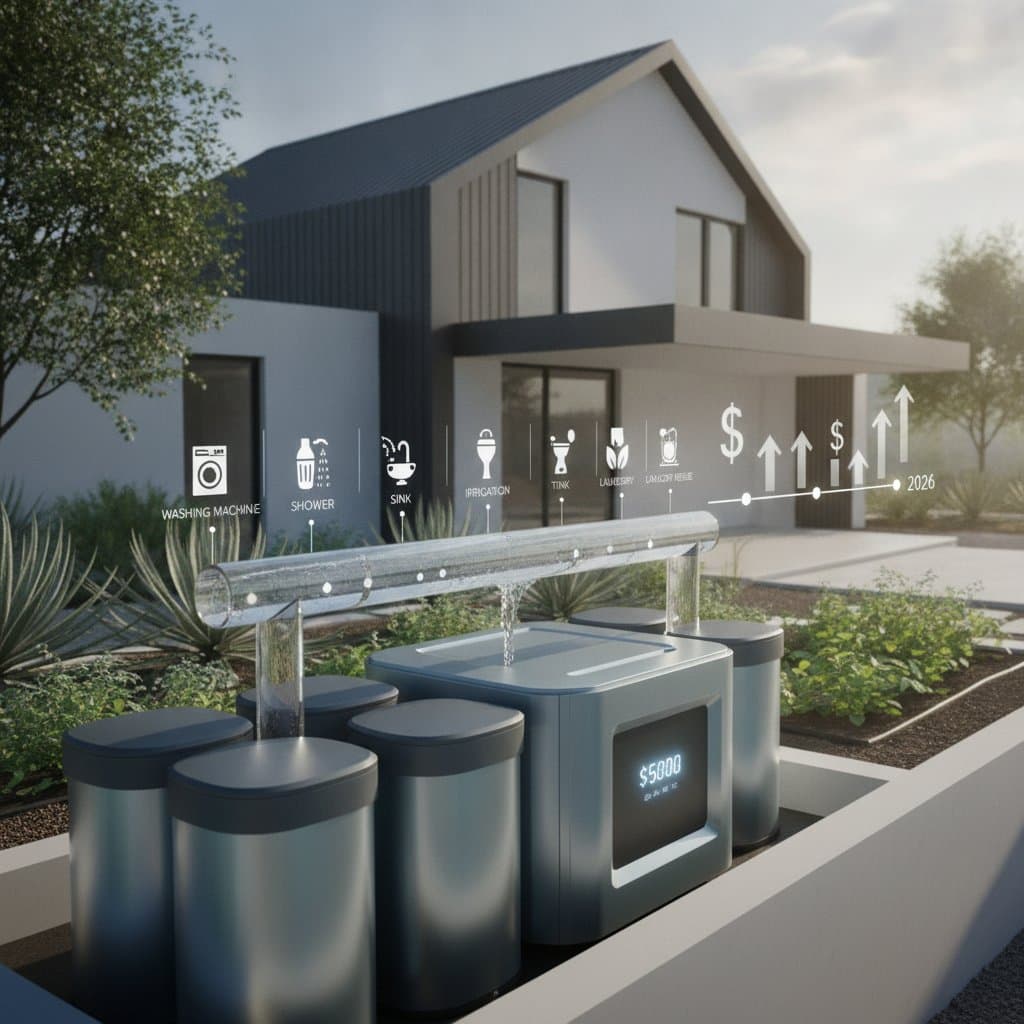
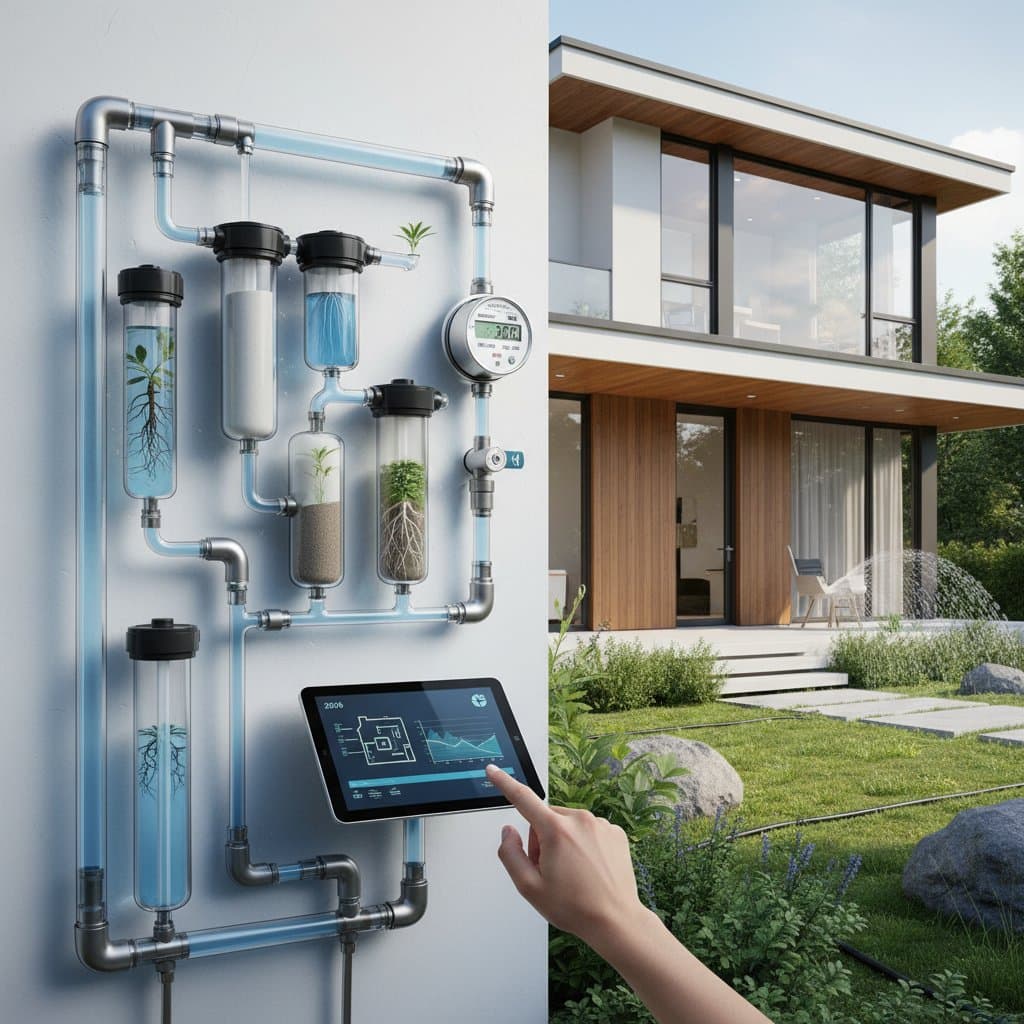
Greywater consists of mildly used water generated from bathroom sinks, showers, and washing machines. This category excludes water from toilets or kitchen sinks, classified as blackwater due to higher contamination levels. A greywater system gathers, treats lightly, and channels this water toward non-drinking applications, including landscape watering or toilet flushing.
Such installations typically decrease household water consumption by 25 to 40 percent. In arid climates or properties with expansive yards, the impact proves substantial. An individual might generate approximately 35 gallons daily through laundry and bathing routines. Redirecting half of this volume conserves thousands of gallons monthly, easing pressure on municipal supplies.
Overview of Installation Costs
Expenses for greywater systems fluctuate based on design complexity and scale. A basic laundry-to-landscape configuration, which routes washing machine output straight to outdoor areas, generally costs between $800 and $2,500 with installation included. More comprehensive whole-house arrangements, handling input from various fixtures with added filtration, span $5,000 to $15,000, influenced by existing plumbing configurations and automation features.
| System Type | Water Sources | Typical Cost Range | Ideal Applications |
|---|---|---|---|
| Laundry-to-landscape | Washing machine only | $800 - $2,500 | Compact yards, minimal upkeep |
| Branched drain | Showers, bathroom sinks | $2,000 - $5,000 | Moderate garden sizes |
| Filtered and pumped | Full household sources | $7,000 - $15,000 | Spacious residences, multi-use reuse |
These estimates cover materials, labor, and fundamental filtration components. Properties requiring excavation, additional pumps, or significant pipe modifications incur extra charges of $1,000 to $3,000. Factor in site-specific assessments to refine these projections accurately.
Navigating Permit Requirements
Permits represent a frequent hurdle for enthusiasts. Regulations differ by locality, often aligning with guidelines from the National Plumbing Code or regional environmental authorities. A permit becomes necessary when the system integrates with domestic plumbing or incorporates elements like pumps, filters, or buried distribution lines.
Key Triggers for Permits
- Integration with multiple plumbing fixtures
- Deployment of storage tanks exceeding 50 gallons capacity
- Implementation of underground irrigation networks
- Incorporation of electrical features, such as pumps
Simpler laundry-to-landscape designs frequently fall under "basic greywater" classifications, potentially exempting them from comprehensive plumbing approvals if gravity drainage prevails without storage. Verify these exemptions directly with your municipal building office prior to any modifications.
Range of Permit Expenses
Basic residential permits for greywater setups cost $100 to $400. Advanced configurations involving storage or pumping may escalate to $500 to $1,200, contingent on inspection protocols. Certain municipalities provide rebates to counterbalance these fees, particularly in regions emphasizing water preservation initiatives.
Choosing Between DIY and Professional Installation
For ventures limited to a washing machine with gravity-based distribution, skilled individuals equipped with standard plumbing implements can manage the process. Essential supplies include:
- 1-inch diameter PVC or polyethylene piping
- Ball valves to regulate flow
- Three-way diverter valve for routing options
- Shovels and trenching equipment for burial
- Hose clamps and compatible connectors
Projects extending to shower or sink integration demand expertise from certified plumbers or greywater professionals. These specialists guarantee compliance with standards and mitigate risks like contamination between greywater and drinking supplies. Their involvement prevents expensive errors, including backflow problems or inadequate drainage gradients.
Pitfalls to Sidestep in Implementation
- Overlooking regulatory codes: Minor setups risk non-compliance without proper venting or secure connections.
- Selecting inappropriate cleaning agents: Opt for biodegradable, low-sodium varieties to safeguard vegetation.
- Excessive water application: Prevent pooling by calibrating outputs to soil intake rates.
- Neglecting filtration measures: Debris like hair or fibers obstructs lines rapidly; integrate mesh screens or surge tanks routinely.
- Minimizing upkeep demands: Clean filters quarterly and inspect diverter mechanisms periodically.
Addressing Accessibility and Safety
Individuals with physical limitations or constrained outdoor spaces benefit from waist-level maintenance access and nearby shutoff controls. Automated pump systems streamline usage yet necessitate backup power sources for reliability. Clearly mark all greywater conduits to distinguish them from drinking water lines, enhancing overall safety.
Projecting Savings Over Time
Typical households allocate $400 to $800 yearly for water services. Greywater applications cut this by $100 to $300 annually, scaled to system capacity and regional pricing. Within a decade, a standard installation recoups its investment, simultaneously diverting thousands of gallons from wastewater streams.
Explore eligibility for municipal rebates or tax credits to diminish upfront outlays. Consult your local water authority or utility portal for active conservation incentives.
Steps to Launch Your Greywater Project
Assess your property's water usage patterns and yard layout to select an appropriate system type. Contact local officials early for permit guidance and explore rebate opportunities. Engage professionals for complex designs, and commit to regular maintenance for optimal performance and longevity. This approach not only trims bills but also advances personal sustainability efforts effectively.