Understanding Greywater Systems and Their Benefits
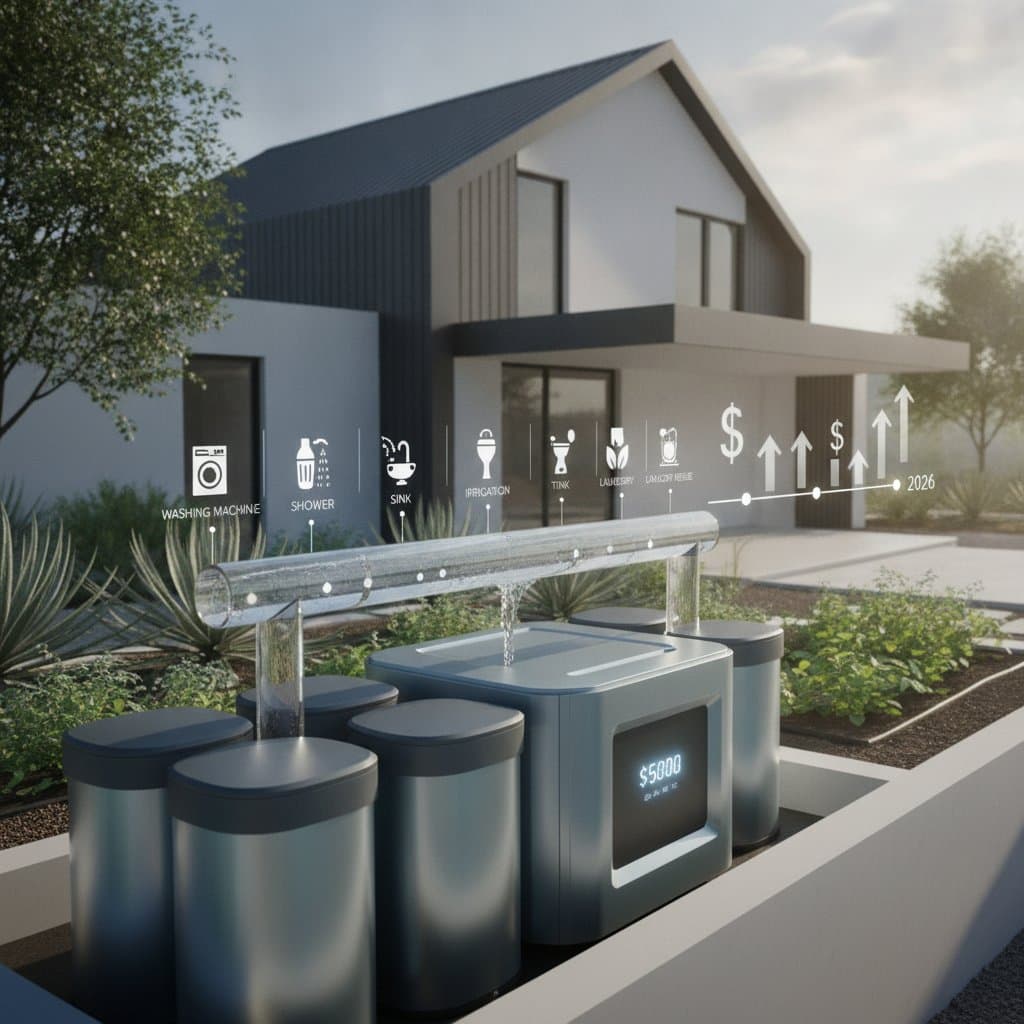
Greywater systems capture and reuse wastewater from household sources such as sinks, showers, and washing machines. This approach diverts water that would otherwise enter the sewer system and redirects it for uses like irrigation or toilet flushing. By implementing such systems, households achieve significant reductions in fresh water consumption, often up to 40 percent, which directly lowers utility bills.
These systems promote sustainability by conserving a precious resource in water-scarce regions. Property owners gain not only financial advantages but also enhanced environmental credentials. The following sections explore installation costs, key considerations, and strategies for maximizing returns.
Factors Influencing Installation Costs
Installation expenses for greywater systems vary based on several practical elements. Homeowners must evaluate these to budget accurately for 2026 projects, when material prices and labor rates are projected to rise modestly due to increased demand for eco-friendly upgrades.
Key factors include:
- System Size: Larger residences with numerous bathrooms and laundry facilities demand extensive piping, storage, and filtration components, elevating overall costs.
- Existing Plumbing Layout: Structures with readily accessible pipes simplify retrofitting. In contrast, older buildings featuring hidden or intricate configurations necessitate additional labor and potential wall modifications.
- Filtration and Pumping Requirements: Gravity-based systems that rely on natural flow prove more economical than models incorporating pumps and electronic sensors for automated operation.
- Storage Capacity: Units equipped with tanks for holding treated water during low-usage periods involve higher initial investments but yield superior long-term conservation benefits.
- Local Regulations: Certain areas enforce rigorous plumbing standards, mandating certified professionals or extra safety features, which add to expenses.
- Landscaping Design: When greywater supports irrigation, elements like terrain slope and soil composition influence pipe routing and system complexity.
For a typical three-bedroom home, expect costs ranging from $2,500 for basic setups to $8,000 for advanced configurations in 2026. Professional assessments help pinpoint exact figures, while DIY options suit simpler diversions but carry risks of non-compliance.
A plumbing contractor's YouTube case study illustrated a mid-tier installation in a suburban home, where the owner recouped expenses in three years via bill reductions and incentives.
Maintenance and Operating Costs
Greywater systems demand routine upkeep to ensure safety and performance. Owners schedule filter cleaning and valve inspections every few months, with more intensive checks for pumped or stored models.
Essential tasks encompass:
- Cleaning or replacing filtration elements to prevent contamination.
- Examining pipes for blockages or residue accumulation.
- Testing pumps and float switches where applicable.
- Flushing lines following extended disuse.
Operational expenses remain modest. Pumps consume negligible electricity, and filter renewals cost under $50 annually. Certain designs employ biofilters that operate without power, further minimizing outlays.
Forbes Home referenced a study indicating that quarterly maintenance reduces clogs by 30 percent and sustains optimal pressure. Such diligence secures enduring efficiency and cost savings.
Incentives and Rebates
Numerous locales provide fiscal support for greywater adoption through utility rebates or sustainability credits. Pairing these systems with rainwater collection often unlocks enhanced funding from conservation initiatives.
Contact regional water agencies or environmental offices to identify programs. Requirements may involve verified professional installation or post-setup audits. Leveraging these opportunities can offset 20 to 50 percent of upfront costs.
Long-Term Savings and Return on Investment
Greywater systems generate returns through immediate bill reductions and broader gains like decreased irrigation expenses and elevated home values. Eco-upgrades attract discerning buyers, potentially increasing resale prices by 5 to 10 percent.
A standard household conserves thousands of gallons yearly, translating to $200 to $500 in annual savings depending on local rates. Payback accelerates in high-cost areas, often within 2 to 5 years.
Incorporate flow-monitoring sensors to track usage and flag issues, thereby prolonging system durability and refining water allocation.
Choosing the Right Greywater System
Begin selection by analyzing daily water patterns and objectives. Laundry-heavy families thrive with diversion-only setups, while expansive properties favor comprehensive filtration and storage.
Prioritize components certified for plumbing and ecological compliance. Reputable manufacturers offer guidance and warranties. Insights from online forums or video demonstrations aid in vetting options.
Engage experts for on-site reviews of soil, elevation, and infrastructure. This step guarantees regulatory adherence and peak functionality.
Maintaining Your Investment
Sustained vigilance preserves greywater systems as valuable assets. Maintain records of servicing, adhere to filter schedules, and clear lines seasonally.
For tanked variants, periodic draining averts sediment issues. Gravity systems require unobstructed outlets to eliminate stagnation risks. Proactive care safeguards landscapes and investments alike.
Gardeners appreciate how consistent greywater supply fosters robust plant growth and enriches soil biology.
Steps to Implement Greywater for Household Savings
Adopt greywater to curb waste and expenses effectively. From basic laundry rerouting to sophisticated treatments, each choice advances fiscal and ecological goals. Start with a professional consultation to tailor a solution that delivers lasting value.