Understanding Greywater Systems: Costs and Return on Investment
Homeowners seek effective strategies to reduce utility costs while enhancing property sustainability. Greywater recycling systems offer a viable solution by capturing water from sinks, showers, and laundry machines. These systems filter the water for reuse in irrigation or toilet flushing, thereby decreasing reliance on municipal supplies and lowering monthly expenses.
This guide examines installation costs, potential savings, plumbing integration, and return on investment calculations. Readers gain insights to assess whether a greywater system aligns with their home and financial objectives.
Reasons for Adopting Greywater Recycling
Increasing water rates and recurring drought restrictions prompt homeowners to optimize water usage. Discussions in online communities, such as environmental subreddits and professional networks, indicate rising interest in greywater solutions. Participants view these systems as enduring investments that support long-term resource conservation.
Greywater recycling stands out for its dependability compared to alternatives like rainwater collection, which varies with precipitation. Households generate greywater consistently through daily activities, making the approach adaptable to urban apartments or suburban residences.
Plumbing Integration and Installation Process
Effective greywater systems require seamless connection to existing plumbing infrastructure. Retrofitting established homes often involves higher expenses due to necessary pipe modifications or structural adjustments. New builds facilitate simpler integration by incorporating dedicated greywater lines from the outset.
Key Installation Phases
- Site Evaluation: A certified plumber assesses available water sources, soil drainage properties, and intended reuse applications.
- Component Selection: Professionals choose filtration units, storage tanks, and distribution mechanisms suited to the home's needs.
- Regulatory Approval: Obtain permits to comply with local standards, ensuring systems avoid health risks like bacterial contamination.
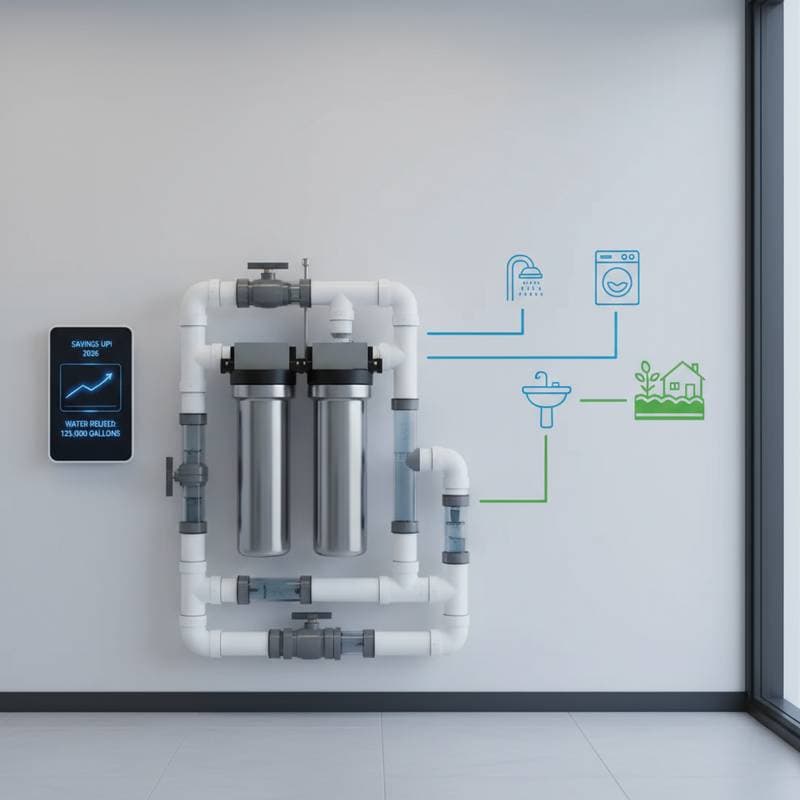
- Physical Setup: Connect drainage from fixtures such as showers, tubs, and washers to the central treatment unit.
- Verification: Conduct pressure tests and official inspections to confirm operational integrity.
Simple diverter systems typically require one to three days for completion, while comprehensive indoor reuse setups may extend to a full week. Engage plumbers with expertise in sustainable water technologies to minimize risks of leaks or cross-contamination.
Evaluating Financial Returns
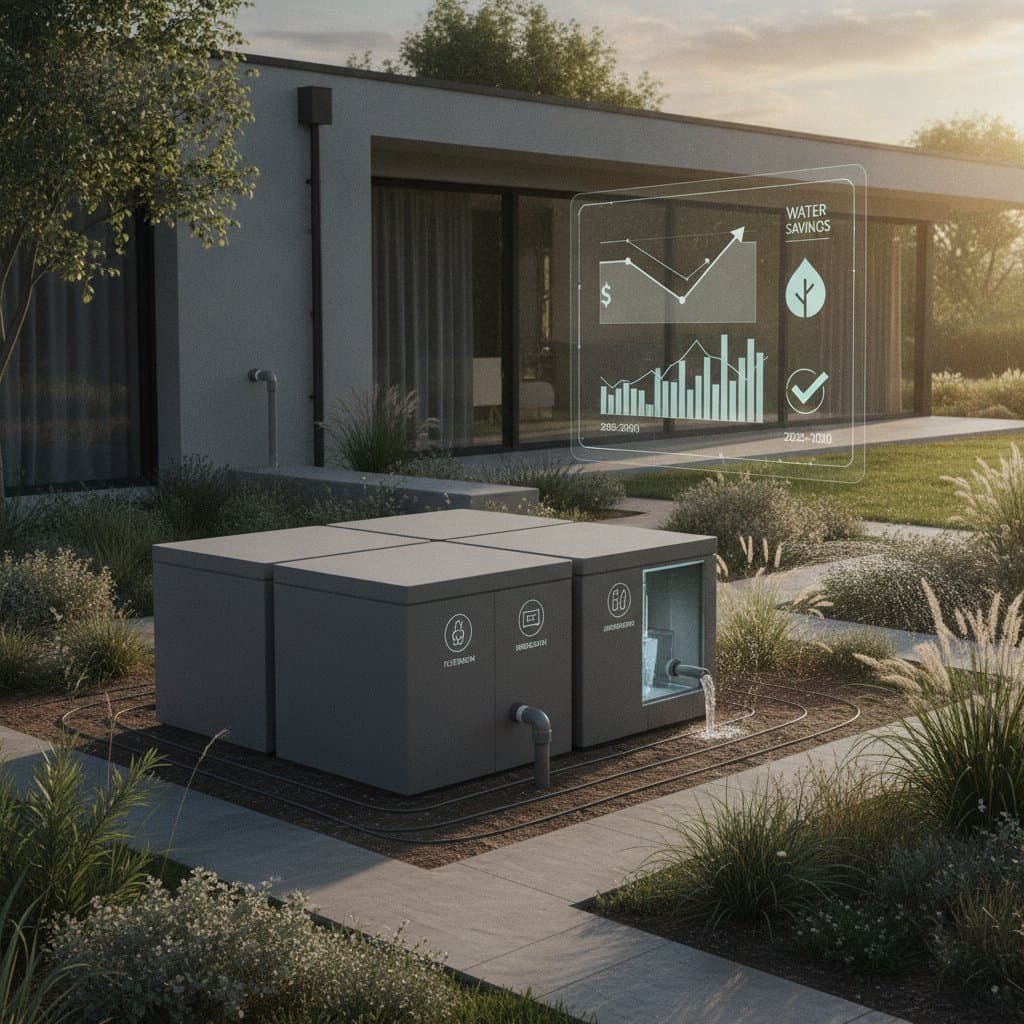
Return on investment hinges on household water consumption patterns and regional utility pricing. Greywater systems generally offset 25 to 40 percent of indoor water use, depending on system scale and efficiency.
Consider a four-person household averaging 200 gallons daily. At utility rates of $0.005 to $0.01 per gallon, annual savings range from $250 to $800. With average upfront costs of $4,000 for a mid-tier system, owners recoup expenses in five to seven years. Escalating water prices accelerate this timeline.
Influential ROI Elements
- Utility Pricing: Elevated per-gallon costs amplify savings and shorten payback periods.
- System Scale: Expansive setups process greater volumes, maximizing financial benefits.
- Ongoing Care: Diligent maintenance avoids unexpected repair expenses.
- Incentive Programs: Municipal rebates, ranging from $300 to $1,000, reduce initial outlays for eco-friendly installations.
Essential Maintenance Practices
Reliability of greywater systems depends on consistent upkeep to prevent operational failures. Neglected routines often lead to common issues that compromise efficiency.
Monthly and Periodic Tasks
- Remove debris from filters and screens to avoid blockages.
- Examine pipes for sediment accumulation or seepage.
- Drain storage reservoirs quarterly to eliminate buildup.
- Test pumps and monitoring sensors for functionality.
- Swap out ultraviolet lamps or sanitizing filters per manufacturer guidelines.
Addressing Typical Challenges
- Filter Obstructions: Lint and hair cause most clogs; install upstream strainers and perform frequent cleanings.
- Unpleasant Smells: Stagnant water or poor airflow triggers odors; initiate full flushes and verify ventilation paths.
- Pump Malfunctions: Low water levels provoke failures; maintain adequate reservoir depths.
- Inconsistent Water Distribution: For irrigation lines, recalibrate valves or clear nozzle blockages.
Proper care extends system lifespan beyond ten years, with occasional part replacements.
Combining Greywater with Complementary Technologies
Greywater recycling yields optimal results within an integrated sustainability framework. Pairing it with other conservation methods amplifies overall efficiency and cost reductions.
Synergistic Approaches
- Equip bathrooms with low-flow aerators and high-efficiency toilets to curb initial water waste.
- Allocate rainwater for landscape watering, directing greywater toward subsurface flushing needs.
- Deploy moisture-sensing controllers to optimize irrigation schedules.
- Incorporate photovoltaic-powered pumps to minimize electricity consumption.
Recognition in green certification programs, such as LEED, elevates property appeal. Sustainable features like greywater systems attract buyers willing to pay premiums for environmentally conscious homes.
Enhancing and Monitoring System Performance
After installation, targeted improvements sustain and boost greywater system effectiveness. Opt for durable materials like schedule 40 PVC piping to resist degradation over time.
Advanced filtration upgrades or sensor-driven automation streamline operations. Homeowners benefit from installing inline meters to quantify recycled volumes and track savings accuracy.
Schedule biennial professional reviews to verify compliance with evolving regulations and optimize component performance. These evaluations ensure continued reliability and efficiency.
Securing Long-Term Benefits
Greywater systems deliver dual advantages in cost reduction and environmental stewardship. They empower households to manage water resources proactively, fostering resilience against supply disruptions.
Commit to routine maintenance and periodic enhancements to maximize returns. As adoption grows and incentives proliferate, greywater integration emerges as a prudent choice for forward-thinking homeowners, balancing fiscal prudence with ecological responsibility.