The Impact of Greywater Systems on 2026 Water Costs
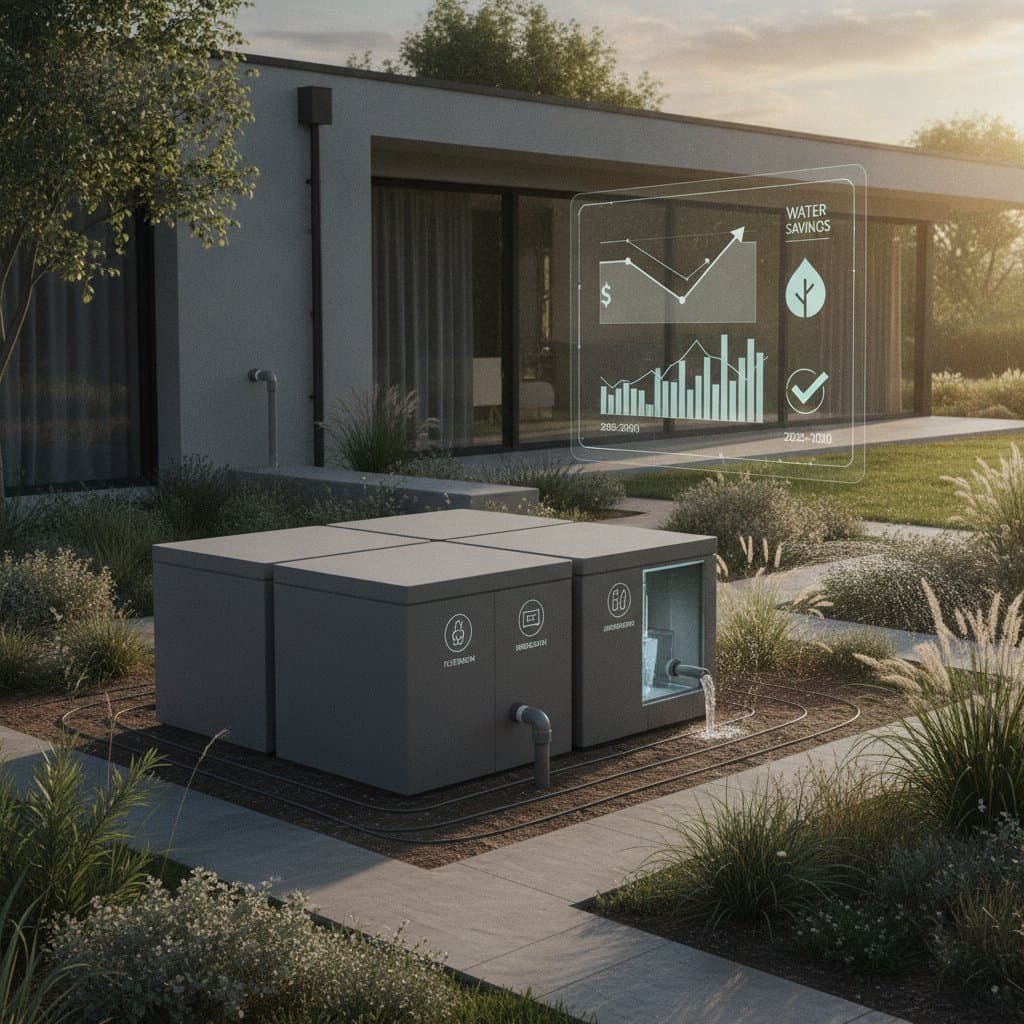
Water rates continue to climb, prompting homeowners to explore innovative ways to manage and recycle household water. Greywater systems collect water from sources such as sinks, showers, and laundry appliances, then treat and redirect it for uses like garden irrigation or toilet flushing. This approach can reduce overall water consumption by up to 50 percent, based on local rates and daily habits, while delivering significant environmental advantages that align with sustainable home improvements.
Basics of Greywater Systems
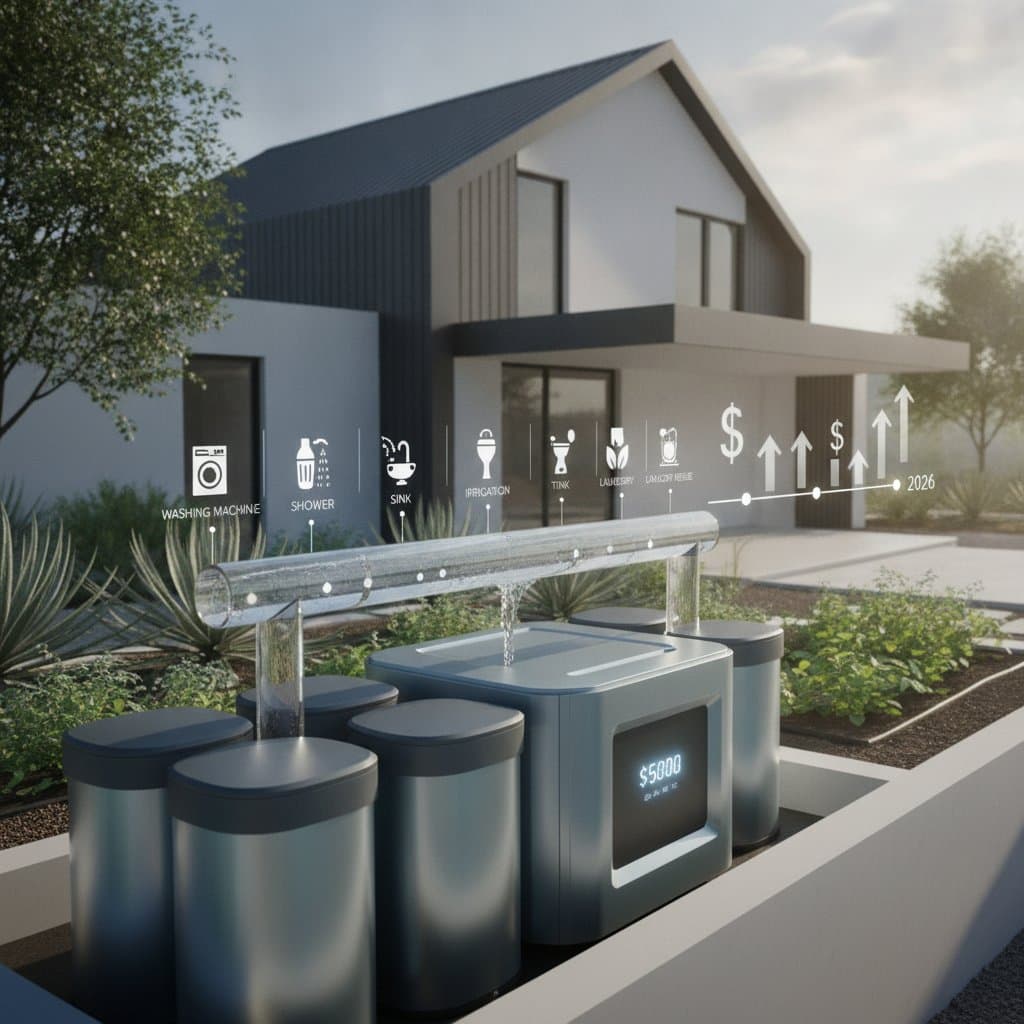
Greywater refers to wastewater generated from everyday tasks including dishwashing, bathing, and clothes washing. This category excludes toilet flush water or sink disposals due to their elevated contamination risks. The system gathers this water prior to its entry into the sewer line, applies filtration to eliminate debris, and routes it to designated storage or application areas.
Key elements of a typical setup include:
- Collection pipes linked to sinks, tubs, and washers
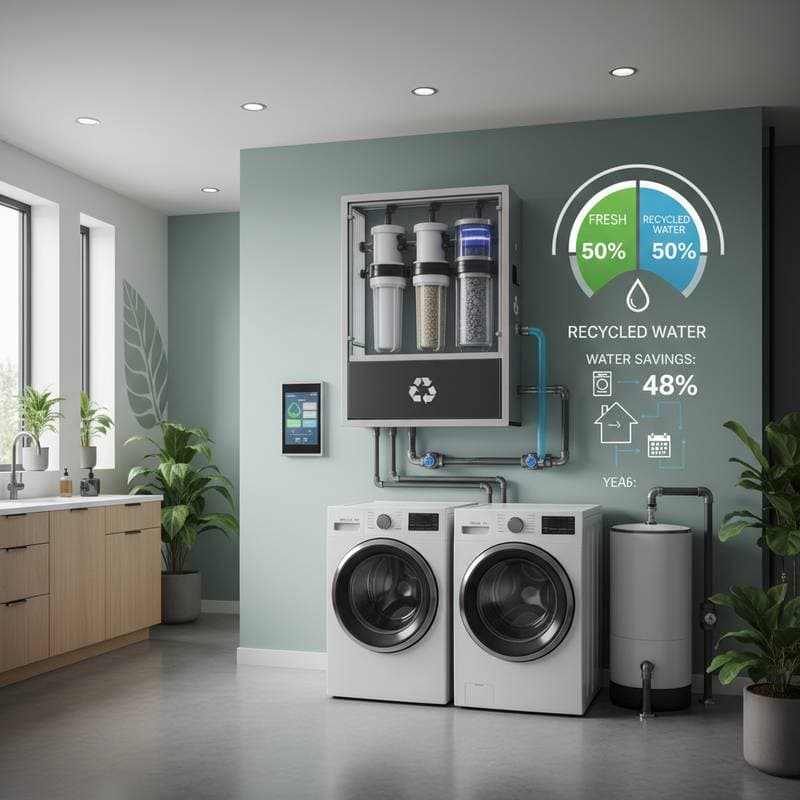
- Filtration units designed to extract soaps, hair, and particulates
- Storage reservoirs for temporary holding of processed water
- Distribution networks that channel water to landscaping or indoor fixtures
Options range from basic gravity-based designs, which utilize natural slopes for movement, to powered variants that provide pressurized delivery for broader applications.
Mechanisms for Bill Reduction
Each gallon repurposed via greywater avoids drawing from public supplies, directly lowering utility charges. Households typically consume several hundred gallons each day, with nearly half allocated to exterior watering needs. Channeling shower or laundry water to outdoor plants substantially decreases reliance on fresh sources for irrigation.
Research from home efficiency discussions indicates that greywater applications for yard maintenance yield savings of 25 to 50 percent on annual water expenses. Certain municipalities provide financial incentives, such as rebates, to offset installation fees and shorten payback periods. Simpler configurations, like those connecting washers directly to garden lines, demand minimal alterations and still produce meaningful monthly reductions.
Installation Costs and Financial Planning
System expenses vary by scale and features. Consider these estimates:
- Entry-level laundry diversion: $500 to $1,500
- Integrated bathroom-laundry unit: $2,000 to $4,000
- Comprehensive home setup with pumps and tanks: $5,000 to $8,000
Initial outlays recover through sustained savings, often within three to five years, particularly in regions with stringent water pricing. Areas under conservation mandates experience quicker financial benefits.
Ongoing upkeep remains economical. Routine filter changes and tank rinses suffice for most systems, with many owners managing these independently. Professional checkups, if preferred, cost $100 to $200 annually.
DIY Options Versus Professional Installation
Individuals skilled in basic plumbing might install a straightforward laundry-to-garden connection by attaching flexible lines and verifying drainage paths. However, extensive systems necessitate modifications to existing pipes, incorporation of anti-backflow safeguards, and adherence to building regulations. Licensed experts handle these complexities to guarantee reliability.
Professional involvement secures safety, regulatory approval, and avoidance of cross-contamination. Permits prove essential for indoor applications like toilet reuse, and specialists navigate approvals efficiently, preventing delays or fines.
Ensuring Safety and Regulatory Adherence
Properly managed greywater poses low risks, though it requires careful handling to remain non-potable. Restrict applications to irrigation or flushing, steering clear of food preparation or consumption.
Implement these practices:
- Select eco-friendly, salt-free cleaning products
- Eliminate antimicrobial agents that damage ecosystems
- Apply water subsurface to limit exposure and evaporation
- Maintain filters and seals on tanks regularly
Authorities at state and local levels offer detailed protocols. Adherence minimizes hazards, as experts note that issues often stem from inadequate treatment or misuse on food crops.
Broader Ecological and Neighborhood Advantages
Greywater adoption eases demands on public infrastructure. In arid periods, urban restrictions on watering become common; recycled water sustains greenery without infractions.
Reduced sewer inflows lessen processing energy at treatment plants. Analyses from environmental organizations suggest that broad household implementation could decrease municipal demand by 15 percent, amplifying benefits community-wide.
Selecting an Appropriate System
Tailor choices to your property's water patterns, yard extent, and infrastructure. Follow this process:
- Analyze utility statements for usage baselines and savings potential.
- Map sources like washer outlets and shower drains.
- Define objectives, from outdoor-only to combined uses.
- Engage a certified plumber for site assessment and estimates.
- Research area rules on approvals and incentives.
Phased rollouts, beginning with one fixture, allow gradual investment and habit formation.
Steps to Implement Greywater Recycling
Greywater integration stands as a proven method for trimming expenses and advancing conservation. Upfront costs yield enduring gains in affordability, vegetation vitality, and ecological relief. Reliable designs endure with sparse intervention, fostering long-term efficiency.
Properties equipped with these systems maintain lush exteriors through challenging weather. Financial autonomy from escalating rates enhances overall well-being. Begin modestly or commit fully; cumulative advantages grow steadily.
Repurposing existing flows curtails excess, preserves supplies, and bolsters budgets. This upgrade transcends passing fads, emerging as a cornerstone for forward-thinking residences ahead of utility adjustments.