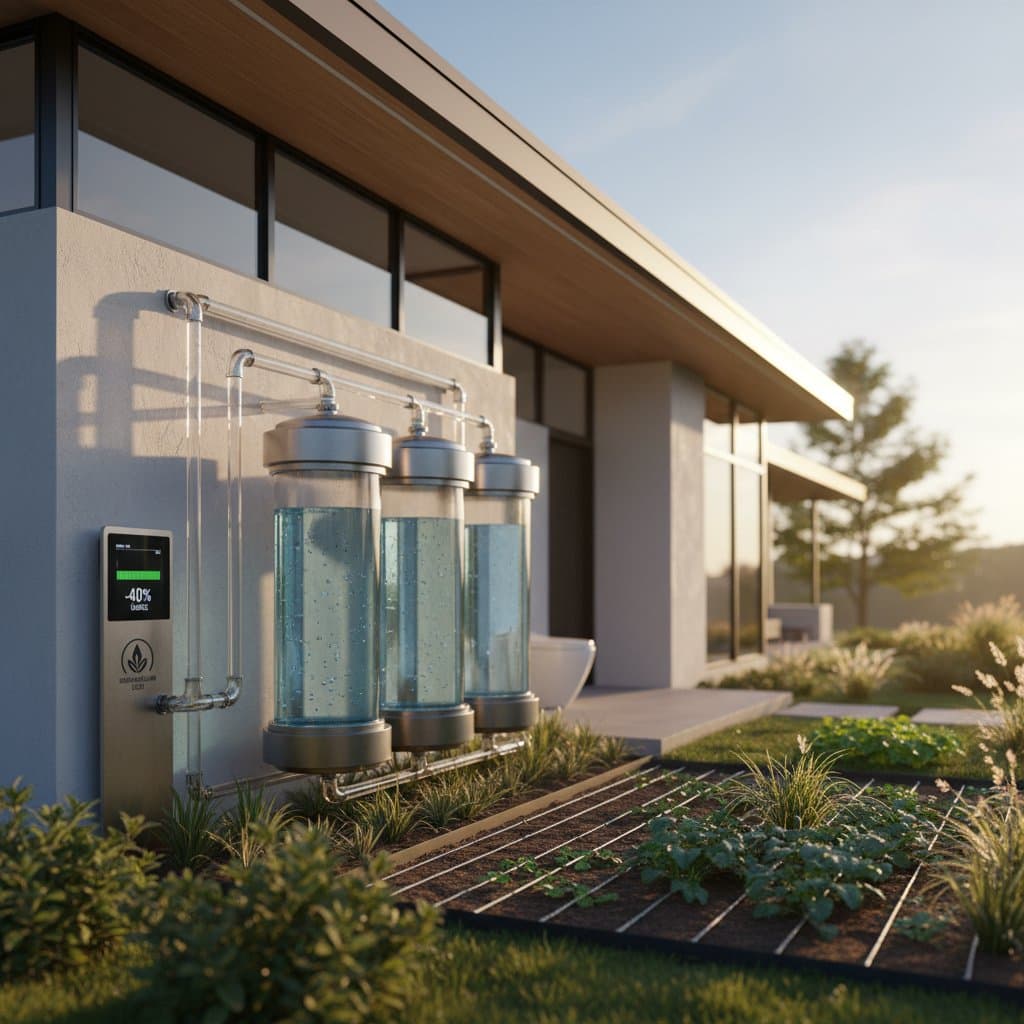
2026 Greywater Installation: Costs, Permits, and Savings Analysis
Homeowners seek ways to lower water bills and alleviate pressure on local water resources. Greywater recycling systems address these goals by capturing water from showers, bathroom sinks, and laundry machines. This water redirects for irrigation or toilet flushing after basic treatment. Proper installation demands careful planning, knowledge of local plumbing codes, and evaluation of costs against future savings.
Functions of a Greywater System
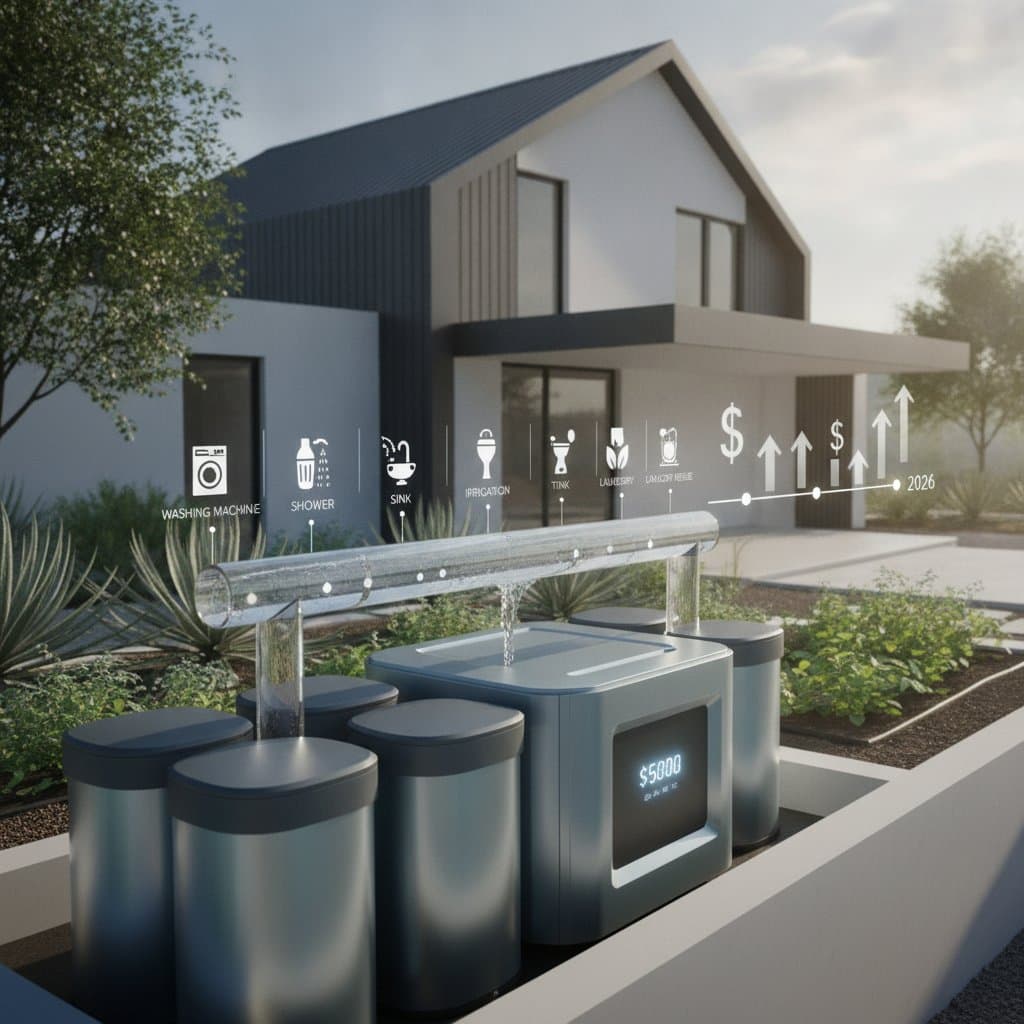
Greywater systems gather water suitable for reuse but unfit for drinking. The process involves filtering out soap residues and particles before directing the water to a storage tank or directly to points of use. Such systems lessen reliance on municipal supplies and reduce the volume of wastewater directed to treatment plants.
Options span from basic gravity-fed designs to advanced setups with filtration, pumping, and flow monitoring. A homeowner may begin with a simple laundry-to-landscape configuration or advance to a comprehensive whole-home system serving several fixtures.
Standard Installation Expenses
Expenses depend on system scale, existing plumbing configuration, and regional labor costs. Basic single-source systems require materials and components costing a few hundred dollars. More extensive integrations connecting multiple drains may total several thousand dollars.
Consider these pricing ranges:
- DIY laundry-to-landscape systems range from several hundred to approximately one thousand dollars, based on selected materials and connection details.
- Professional whole-home installations span three thousand to fifteen thousand dollars, influenced by filtration levels, storage volume, and automation elements.
- Ongoing maintenance involves several hundred dollars annually for filter changes and routine checks.
One homeowner reported on Reddit that a professional system recouped its cost in roughly five years via lower water bills and reduced landscaping expenses. Local water pricing and household consumption patterns determine the payback timeline.
Permit and Regulatory Requirements
Greywater projects must adhere to local plumbing and environmental standards. Certain municipalities mandate permits for even modest laundry systems, whereas others streamline approvals to promote residential water reuse.
Consult the local building department or water authority prior to commencement. Typical requirements include:
- Plumbing diagram detailing source fixtures, treatment elements, and application areas.
- Backflow safeguards to prevent greywater from entering potable water lines.
- Clear pipe labeling to avoid errors in subsequent maintenance.
- Irrigation field layout compatible with soil type and terrain slope.
Failure to obtain permits risks penalties or system dismantling. Engage a licensed plumber versed in regional codes to develop a suitable design and manage paperwork.
Choosing Between DIY and Professional Installation
Skilled homeowners can manage a fundamental laundry-to-landscape system over a weekend. Essential items include PVC piping, hose adapters, a diverter valve, and standard plumbing tools. Resources such as online guides from sustainability specialists and video tutorials offer detailed instructions.
Projects involving showers, bathtubs, or various sinks warrant professional involvement for safety. Contractors verify appropriate gradients, filtration efficacy, and regulatory adherence. They also integrate automatic diverters that alternate between greywater routing and sewer discharge during maintenance or with incompatible cleaners.
Professional services increase initial outlay yet minimize hazards like leaks or contamination. Such installations often expedite rebate access and inspection clearances.
Enduring Savings and Advantages
Greywater systems diminish indoor water consumption by as much as 40 percent, contingent on family routines. In regions with average water rates, this yields annual savings of several hundred dollars.
Environmental gains prove equally significant. Reuse reduces burdens on public infrastructure and lowers energy demands for water processing. Data from the EPA and conservation initiatives indicate that maintained systems halve outdoor water needs.
Users observe enhanced garden vitality due to nutrient traces in greywater. Success hinges on selecting biodegradable, low-salt, low-phosphorus soaps and detergents.
Upkeep and Maintenance Practices
Sustained efficiency in greywater systems relies on routine care. Clean filters monthly to avert obstructions. Inspect storage tanks for accumulations or scents. Service pumps yearly to preserve pressure and circulation.
Follow these procedures:
- Examine valves and joints for seepage each season.
- Rinse filters with fresh water to clear debris.
- Refrain from introducing bleach, dyes, or harsh chemicals into contributing drains.
- Assess irrigation areas to avoid excess moisture.
Local plumbers or conservation firms provide service packages that include yearly reviews and filter updates.
Available Incentives and Rebates
Select municipalities and utilities provide financial incentives for greywater installations. These may offset material or labor expenses partially. Review websites of city water departments or sustainability divisions for current offerings.
In certain areas, such systems contribute to green certification eligibility or elevate property appeal. Real estate professionals on LinkedIn highlight increasing demand from buyers for residences featuring verified water conservation measures.
Optimizing Greywater Performance Over Time
A greywater installation extends beyond bill reduction to foster sustainable household practices and resilience. Monitoring usage often inspires additional conservation measures. This cumulative impact enhances overall efficiency.
Opt for DIY or professional assistance as suits your skills. A thoughtfully planned system delivers tangible fiscal and ecological returns. Regular attention ensures continued benefits from each reused gallon.