Greywater Install Costs in 2026: What Homeowners Pay
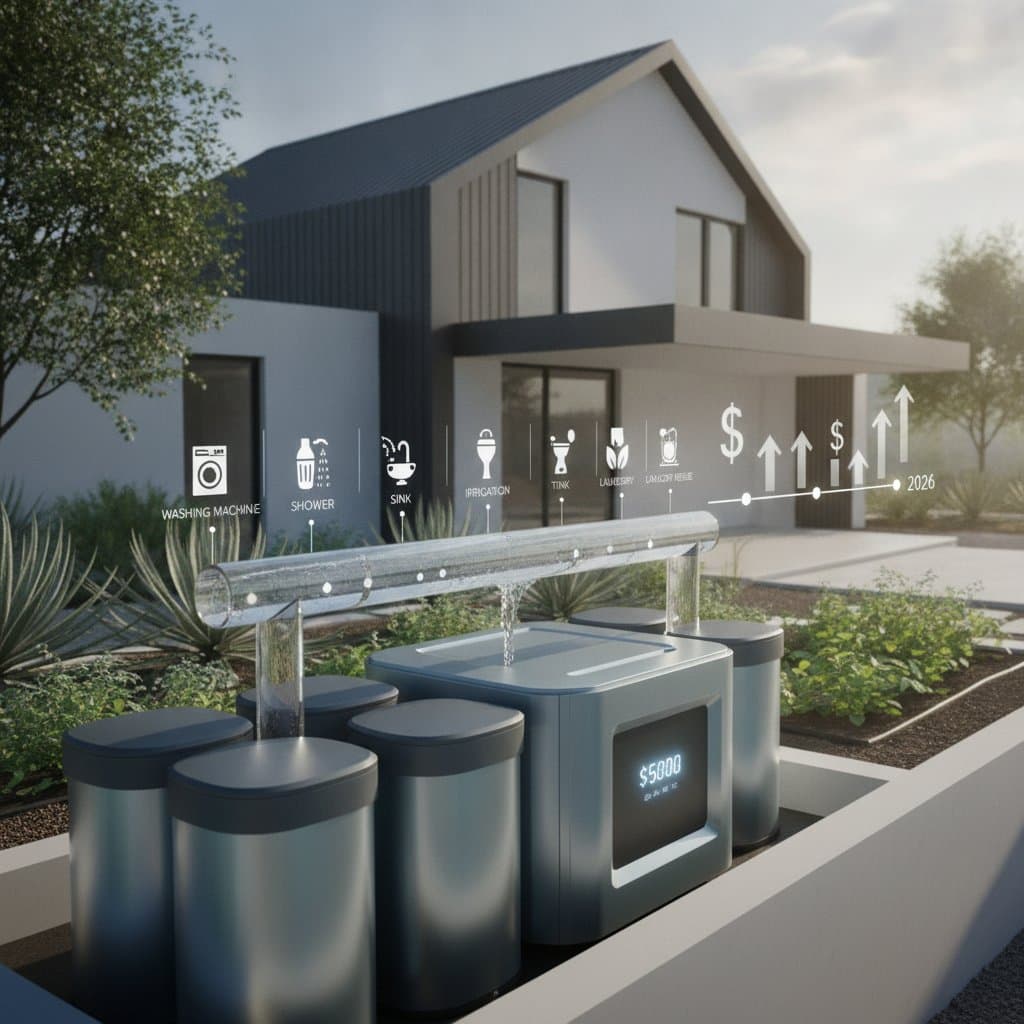
Recycling water within the home represents both an environmental commitment and a strategy to lower utility expenses while enhancing property resilience in arid conditions. Greywater systems capture water from sources such as showers, bathroom sinks, and washing machines, then filter and redirect it for landscape irrigation or toilet flushing. Homeowners frequently weigh the installation expenses against the potential benefits to determine the most suitable configuration for their residence.
This overview details prevailing cost estimates, influencing installation elements, and ongoing upkeep requirements. It further clarifies scenarios for self-managed projects versus engagements with certified specialists.
Average Installation Costs
Expenses for installing greywater systems fluctuate considerably according to system intricacy, selected components, and prevailing local labor charges. Typically, property owners invest from $1,000 to $8,000 for comprehensive setups. Elementary configurations, such as those channeling laundry effluent directly to garden areas, align with the lower spectrum, whereas advanced arrangements incorporating pumps and advanced purification may surpass $10,000.
Cost Breakdown by System Type
| System Type | Average Cost | Description |
|---|---|---|
| Laundry-to-landscape | $1,000 - $2,500 | Gravity-based arrangement that diverts washing machine output to exterior watering zones |
| Simple diverter system | $1,500 - $4,000 | Gathers effluent from lavatories or bathing areas and routes it to garden beds |
| Complex treatment system | $5,000 - $10,000+ | Features purification processes, circulation mechanisms, and reservoirs for interior applications |
| Whole-home integrated system | $8,000 - $15,000+ | Links various household sources to both exterior and lavatory water lines |
These estimates encompass supplies, regulatory approvals, and expert workmanship, with potential increases for modifications in established structures featuring constrained plumbing pathways.
DIY vs. Professional Installation
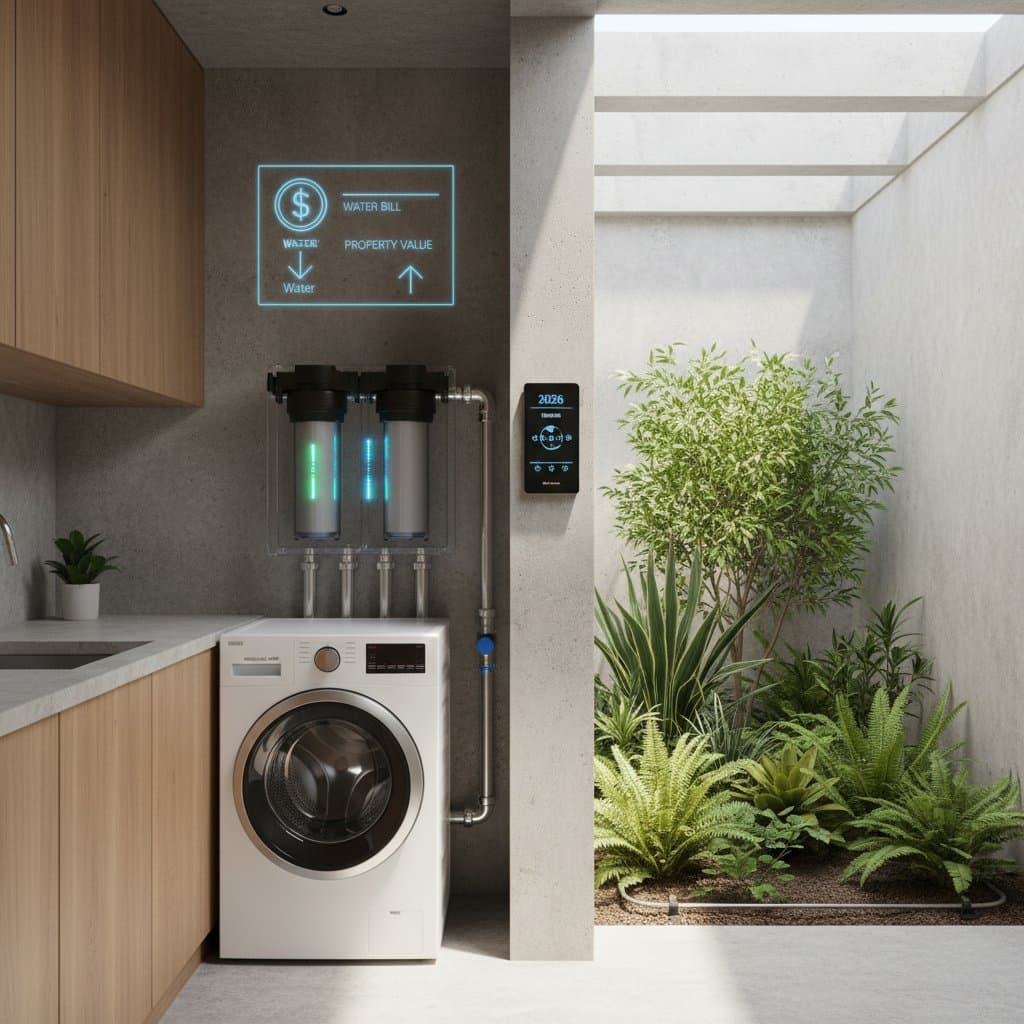
Individuals possessing foundational plumbing knowledge may undertake a straightforward laundry-to-landscape installation over a single weekend. Such projects generally require adapting the appliance's drainage line to a switching mechanism and connecting it to subsurface irrigation conduits. Primary expenditures involve components valued at $250 to $700, plus personal effort spanning several hours.
Elaborate configurations involving numerous connections or purification vessels demand the expertise of qualified technicians. Errors risk mingling treated water with drinking supplies, posing significant health hazards. Certain jurisdictions mandate involvement from credentialed plumbers for these undertakings.
Specialists manage requisite authorizations and compliance verifications, aligning the apparatus with regional guidelines for water repurposing. Although initial outlays rise accordingly, such precautions avert substantial future expenditures on corrections or regulatory penalties.
How Greywater Systems Save Money
Initial investments appear substantial, yet sustained financial gains emerge via diminished water invoices and alleviated pressure on waste management infrastructure. An optimized design curtails exterior water consumption by 30 to 50 percent, influenced by regional weather patterns and family composition. Annual reductions may accumulate to several hundred dollars over extended periods.
Properties employing greywater for interior functions, including lavatory operations, achieve amplified efficiencies. In locales with elevated utility tariffs, recovery of costs occurs within five years for sizable households. Additionally, these enhancements elevate real estate worth, particularly in districts enforcing rigorous conservation mandates.
Insights from housing enhancement communities and conservation authorities position greywater installations among premier modifications for mitigating enduring water expenditures in water-scarce territories.
Cost Comparison: Greywater vs. Rainwater Systems
Both approaches promote conservation, yet they address distinct needs. Greywater repurposes domestic wastewater, whereas rainwater harvesting captures rooftop precipitation. The latter yields purer resources suitable for household applications, though availability hinges on precipitation consistency. Greywater ensures reliable access throughout the calendar year.
| Feature | Greywater System | Rainwater System |
|---|---|---|
| Source | Household drainage points | Roof drainage |
| Typical Cost | $1,000 - $10,000 | $2,000 - $12,000 |
| Water Quality | Moderate, requiring filtration | Elevated, with optional treatment |
| Best Use | Garden watering, lavatory supply | Garden, washing, potable (treated) |
| Maintenance | Regular filter servicing | Periodic reservoir maintenance |
Property owners often integrate the two for optimal resource management, allocating harvested rain for clean uses and greywater for soil nourishment.
Environmental and Property Benefits
Beyond fiscal advantages, greywater setups diminish reliance on public water networks and lessen effluent loads to treatment facilities or on-site disposal units. Such reductions alleviate burdens on processing infrastructure and subterranean aquifers. In drought-afflicted zones, these systems sustain vegetation amid usage prohibitions.
Residences featuring operational greywater mechanisms attract interest in green property sectors. Market professionals note that discerning purchasers prioritize dwellings with embedded conservation features, citing reduced upkeep costs and ecological stewardship.
Preventing Future Issues
After activation, document all elements, service intervals, and spare inventories meticulously. Mark conduits distinctly to prevent mix-ups in subsequent repairs. During expansions or fixture additions, assess the system's capacity for heightened volumes.
Select non-toxic, plant-compatible cleansers for connected appliances, eschewing corrosive agents that impair flora or obstruct mechanisms. Opt for products explicitly designated for greywater compatibility. In initial operation phases, inspect distribution patterns and ground uptake to verify uniform delivery.
Sustaining Long-Term Performance
Adopting a greywater system advances resourceful habitation and expenditure management. Preliminary costs yield returns via conserved resources, enhanced asset valuation, and mitigated ecological impacts. Selection between elementary routing and comprehensive processing hinges on deliberate planning, expert execution, and diligent care.
Those who strategize thoughtfully and engage competent installers experience reliable functionality. Ultimately, the arrangement not only conserves funds but also instills assurance in efficient water utilization.