Greywater Systems: Achieving 25 Percent or Greater Reductions in Water Bills
Households discard hundreds of gallons of lightly soiled water each week from sinks, showers, and washing machines. This greywater represents an opportunity for reuse in irrigation or toilet flushing, thereby conserving freshwater resources. Implementing a greywater system stands as a strategic home improvement that lowers utility expenses and enhances environmental responsibility. Although initial investments appear substantial, the sustained financial and ecological returns prove compelling.
Functions of a Greywater System
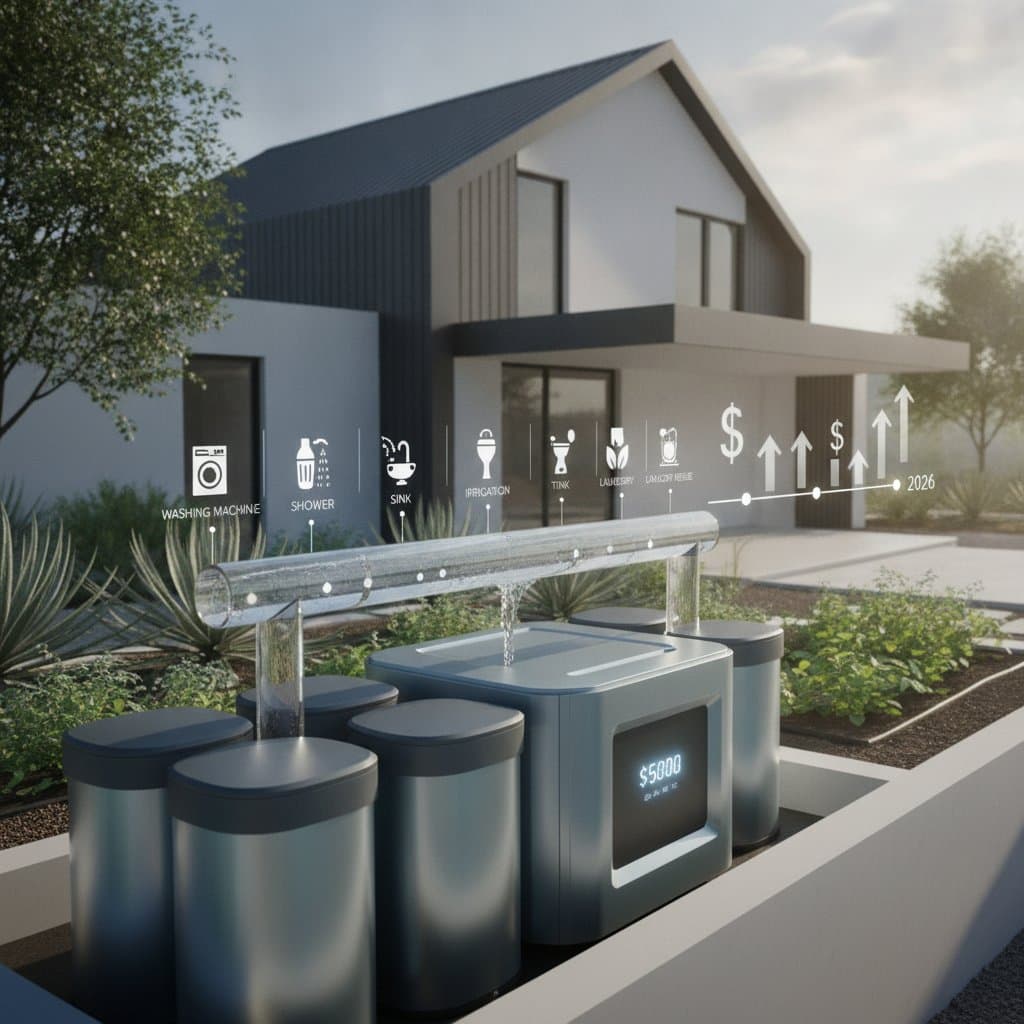
Greywater systems capture water from sources such as bathroom sinks, bathtubs, and laundry appliances, then filter and redirect it for purposes excluding potable consumption. Systems exclude kitchen sinks and toilets, classifying that effluent as blackwater necessitating distinct handling protocols. The primary objective involves diminishing reliance on municipal freshwater supplies through effective recycling of existing wastewater.
Two principal system varieties exist, each suited to different scales of application:
| Type | Description | Average Cost (Materials + Labor) | Ideal Use |
|---|---|---|---|
| Laundry-to-Landscape System | Channels washing machine discharge directly toward landscape irrigation without extensive processing | $700 to $2,500 | Compact gardens or single-level residences |
| Whole-House Greywater System | Gathers effluent from various plumbing fixtures, applies filtration and pumping for distribution | $4,000 to $15,000 | Expansive estates or construction projects incorporating sustainable features |
These options allow homeowners to select based on property size, budget constraints, and desired complexity.
Potential Savings from Greywater Implementation
Regional water pricing influences exact figures, yet greywater systems typically curtail domestic consumption by 25 to 40 percent. For a household comprising four individuals, annual conservation might reach 15,000 to 25,000 gallons. At prevailing utility rates, proprietors often realize $200 to $500 in yearly reductions across water and sewage charges. In arid locales, governmental incentives such as rebates or tax deductions further diminish upfront expenditures by 10 to 30 percent.
Simpler laundry-to-landscape configurations frequently recoup costs within three to five years via accumulated savings. More comprehensive whole-house arrangements extend this timeline to approximately ten years. Beyond monetary gains, these systems elevate real estate appeal, alleviate pressure on public infrastructure, and contribute to broader water security efforts. Homeowners in high-cost water districts report even faster returns, sometimes offsetting installations in under two years through combined rebates and usage cuts.
Steps for Installation Planning
Prior to commencement, verify compliance with municipal plumbing regulations. Jurisdictions often mandate labeling of greywater conduits and positioning subsurface irrigation at a minimum depth of 12 inches to avert human or animal exposure. Essential components generally include:
- PVC or HDPE piping engineered specifically for greywater conveyance to withstand chemical exposure
- A surge tank with capacity ranging from 40 to 100 gallons to manage intermittent flows
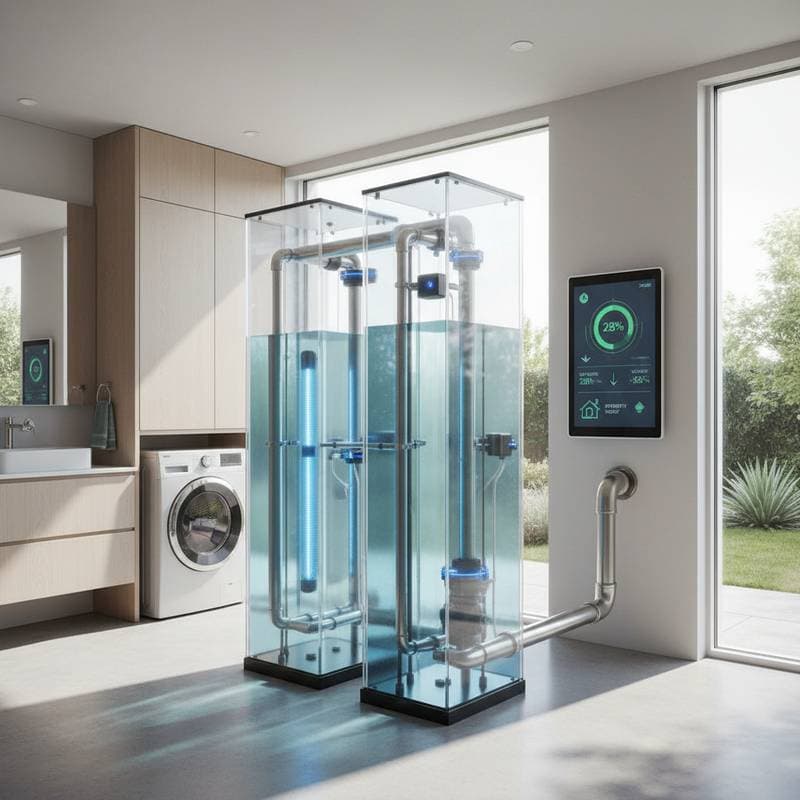
- A sand or mesh filter designed to eliminate particulates and debris
- A pump for scenarios lacking sufficient gravitational assistance
- Backflow prevention valves safeguarding potable water supplies from cross-contamination
Individuals proficient in plumbing and horticulture may undertake a laundry-to-landscape setup over a weekend. Whole-house projects demand rerouting of drain lines from multiple sources, typically requiring engagement of a licensed plumber or greywater specialist certified by local authorities. Site assessments should evaluate soil permeability, slope gradients, and fixture accessibility to optimize system efficacy.
Pitfalls to Sidestep During Setup and Operation
Several oversights compromise system performance and longevity. First, refrain from incorporating kitchen-derived greywater, as elevated grease levels provoke blockages and harm vegetation. Second, tailor irrigation volumes to specific plant requirements and soil infiltration capacities to prevent saturation or runoff.
Third, never omit filtration elements or safety valves, which mitigate odors, blockages, and health risks. Fourth, adhere to a maintenance schedule, inspecting and cleansing filters at intervals of 3 to 6 months to sustain operational flow. In regions with hard water, additional descaling of pumps becomes necessary annually. Consulting a professional versed in local greywater ordinances ensures adherence and averts costly corrections.
Advancing Your Greywater Project
Greywater integration transcends mere ecological enhancement; it delivers tangible fiscal relief, nurtures landscapes amid scarcity, and lessens collective environmental impact. Commence modestly by diverting a solitary fixture or pursue a holistic reconfiguration capturing all eligible sources. Through meticulous design, selection of durable materials, and diligent upkeep, residences achieve streamlined operations that preserve vital water assets for future generations.