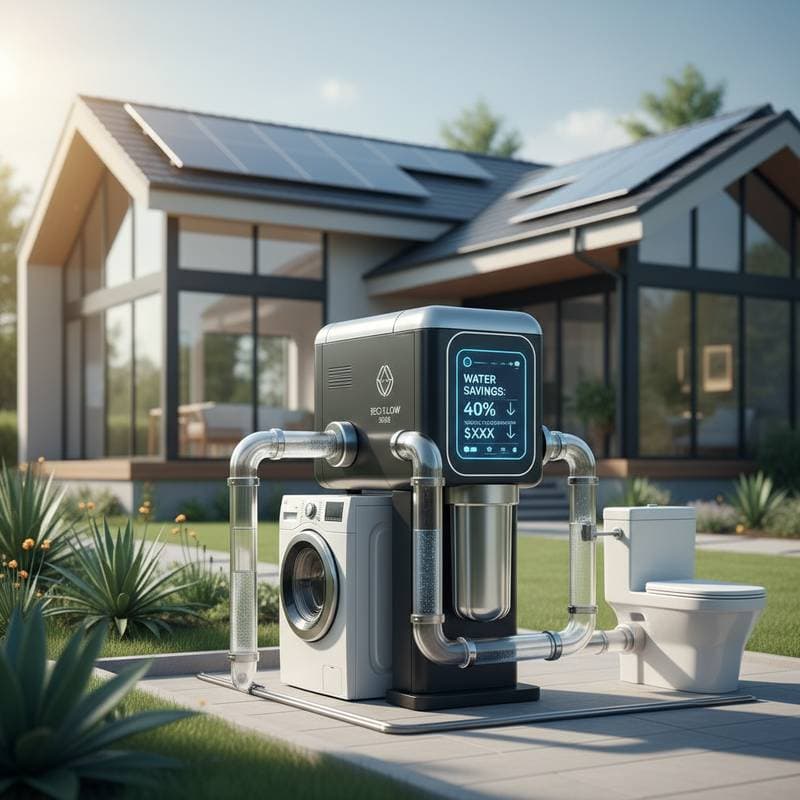
Greywater Systems in 2026: Costs, Permits, and Sustainable Savings
Homeowners seek effective methods to lower utility expenses and embrace sustainable practices. Greywater systems capture and repurpose mildly contaminated water from sources such as showers, sinks, and washing machines for tasks like garden irrigation or toilet flushing. These installations decrease overall water demand, safeguard regional water resources, and alleviate pressure on public treatment infrastructure. A clear grasp of expenses, regulatory requirements, and enduring benefits empowers informed choices for potential investors.
What Is Greywater and How Does It Function?
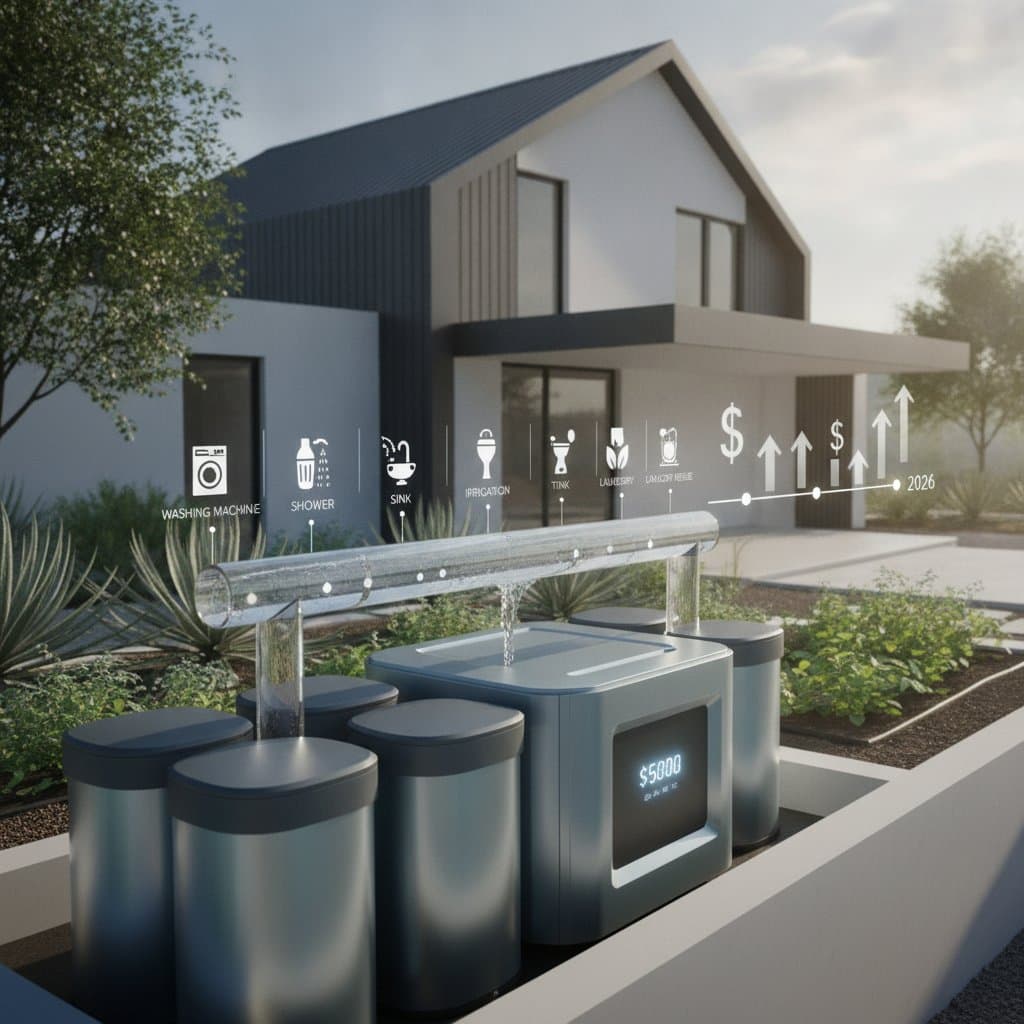
Greywater refers to wastewater free from human waste, originating from fixtures like bathroom sinks, bathtubs, and laundry appliances. After collection, this water undergoes filtration and disinfection processes, then redirects to non-drinking applications such as outdoor watering or lavatory flushing. Effective designs maintain separation between greywater and sewage lines to avoid any risk of cross-contamination.
Systems divide into two primary categories:
- Basic diversion setups, which channel water straight from plumbing lines to outdoor areas via filters and valves.
- Advanced treatment configurations, incorporating storage tanks, advanced filters, and pumps for processed water suitable for indoor applications.
Many property owners initiate with irrigation-focused systems due to their straightforward installation and upkeep, progressing to full-property solutions as needs evolve.
Typical Installation Expenses
Overall expenses for a greywater system hinge on its sophistication, site configuration, and regional rules. Residential projects generally align with three expense tiers:
- Entry-level options: A laundry-to-landscape configuration ranges from several hundred to a few thousand dollars, including components like diverter valves, filters, and piping. Property owners frequently handle these installations independently with basic guidance.
- Mid-tier setups: Integrating showers and bathrooms for external irrigation costs between several thousand and ten thousand dollars, influenced by plumbing accessibility and outdoor space dimensions.
- High-end configurations: Complete-home units featuring tanks, multi-stage filtration, and pumping mechanisms surpass ten thousand dollars. Such systems suit expansive properties or those prioritizing environmental integration and demand expert oversight.
Workforce and supplies constitute the bulk of costs. Select plumbers provide bundled services encompassing planning, approvals, and setup. Verify that any hired specialist possesses expertise in eco-plumbing, as improper designs compromise safety and efficacy.
Navigating Permits and Local Regulations
Requirements for greywater approvals differ significantly across jurisdictions. Certain areas permit minor installations, like laundry diversions, without official documentation. In contrast, other locales mandate comprehensive plumbing schematics for review by building authorities. The approval sequence typically addresses:
- Safety and health standards: Verification that greywater avoids mixing with drinking water supplies or infiltrating aquifers.
- Design specifications: Assurance that all conduits, filtration units, and reservoirs comply with prevailing codes.
- On-site verification: Officials confirm proper assembly prior to operational approval.
Contact the local environmental or construction office early in planning. Numerous regions provide incentives, such as fee reductions or credits, for adopting conservation technologies. Utility providers or green initiatives often compile directories of qualified installers versed in these protocols.
Enduring Financial and Ecological Advantages
By diminishing dependence on municipal water, greywater systems yield direct reductions in billing statements. Savings vary by family size and landscaping demands but can accumulate to hundreds of dollars each year. In regions with elevated rates, recovery of initial outlay for simple systems occurs within a few years.
Broader impacts benefit ecosystems at large. Each reused gallon spares extraction from natural sources like streams and underground reserves. Reduced sewer inflows cut energy demands for processing at treatment plants. Data from the United States Environmental Protection Agency indicates that greywater adoption lowers household water use by 20 to 40 percent, bolstering regional supply stability amid droughts.
Choosing Between DIY and Expert Installation
The decision to self-install or engage professionals aligns with project scale and personal plumbing proficiency.
Self-directed projects suit limited applications, such as laundry diversions to gardens. These gravity-based arrangements employ basic valves and require attention to elevation for flow and screening to avert blockages. Abundant digital resources and community sessions assist throughout execution.
Expert-led efforts prove essential for multifaceted systems involving indoor redistribution. Such arrangements necessitate powered elements, containment vessels, and safeguards against reverse flow. Certified technicians guarantee adherence to standards, manage documentation, and mitigate risks of expensive corrections.
Some opt for combined methods: assembling core elements personally while securing professional input for integrations and validations.
Upkeep Practices for Optimal Performance
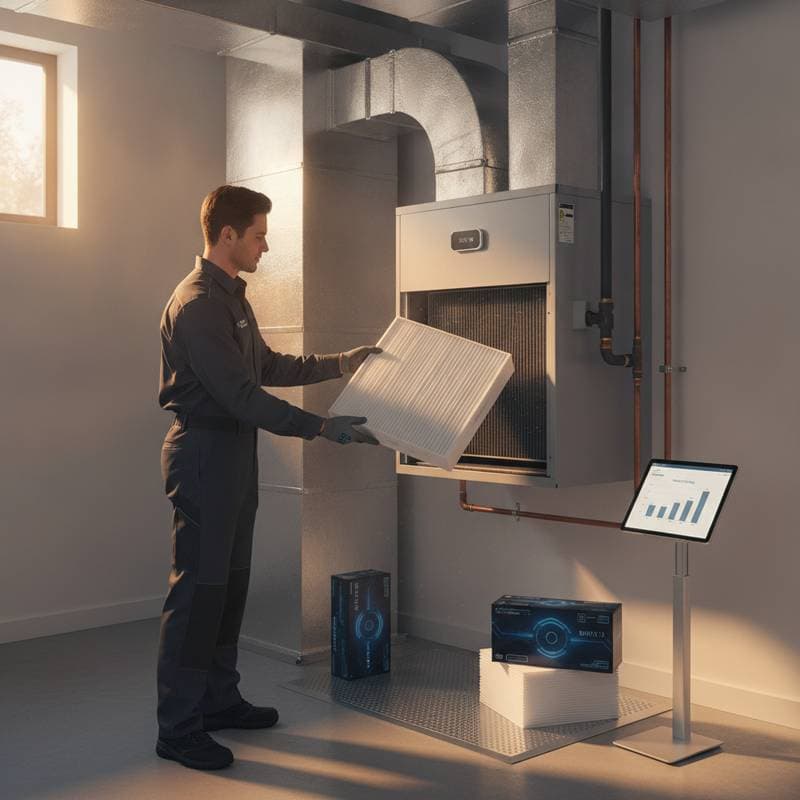
Consistent care sustains greywater system reliability. Clean filters every few months and examine tanks yearly for debris accumulation. For pumped variants, inspect electrical connections and gaskets periodically. Integrate these routines with routine landscaping to streamline efforts.
Prolong equipment durability by selecting non-toxic cleaners compatible with greywater applications. Biodegradable formulas, low in salts and phosphates, preserve soil integrity and minimize line obstructions.
Practical Tips to Minimize Expenses
Implement these approaches to control initial and recurrent costs:
- Scale gradually: Initiate with a single source, like laundry output, for simpler expansion.
- Leverage natural flow: Prioritize gravity-dependent designs to limit power consumption and servicing needs.
- Pursue incentives: Investigate state or district programs offering financial support for conservation installations.
- Integrate complementary methods: Pair with rainwater collection to amplify reuse and lessen grid reliance.
- Track performance: Add metering devices to quantify reused volumes, refining watering patterns and quantifying gains.
Realizing Lasting Value from Your System
A greywater installation represents a strategic choice for fiscal prudence and planetary stewardship. It enhances property appeal through demonstrated efficiency and alignment with green principles. Diligent maintenance secures dependable operation over decades.
Forward-thinking owners who address regulations, select appropriate technologies, and align with household dynamics reap substantial rewards in cost reductions and reduced ecological impact. This commitment not only preserves vital resources but also positions residences to adapt seamlessly to evolving conservation mandates, delivering ongoing advantages in resource management.