2026 Solar Roof Costs: Tesla vs Traditional Panels
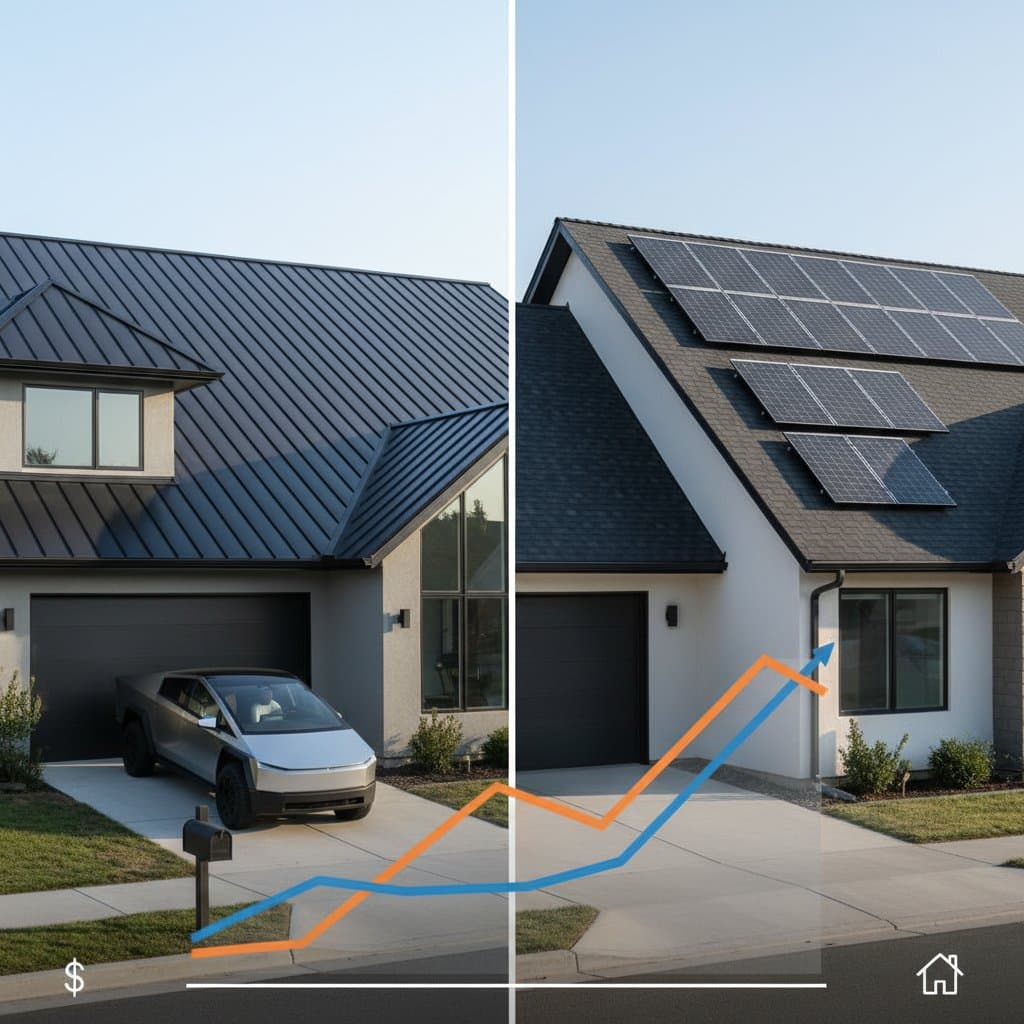
Homeowners planning to upgrade their roof and add solar power face a key decision: invest in a Tesla Solar Roof or opt for traditional photovoltaic panels? Both approaches reduce energy bills and promote sustainable living, yet they vary significantly in upfront costs, installation processes, and overall value. By examining these elements, you can determine the best choice for your budget, home design, and energy needs.
Understanding the Two Systems
The Tesla Solar Roof consists of tempered glass tiles that generate electricity and function as a complete roofing solution. Traditional solar panels mount onto an existing roof surface. Tesla integrates power generation directly into the roof structure, creating a seamless design. Panels, however, install more straightforwardly and allow for easier future adjustments.
Homeowners select the Tesla system when replacing an aging roof and seeking a modern aesthetic. Traditional panels suit situations where the current roof remains sound and the focus lies on adding solar capacity with minimal disruption.
Cost Comparison and Installation Factors
Cost represents the primary distinction between these systems. A Tesla Solar Roof typically ranges from two to three times the price of a standard roof paired with panels. For a 2,000-square-foot home, expect Tesla installations to start around $80,000 to $120,000, depending on roof pitch, location, and added features like batteries. Traditional panel systems for similar coverage often fall between $25,000 and $40,000, excluding roof work.
Tesla handles the full process, including solar tiles, inactive glass tiles for non-generating areas, and optional Powerwall storage. This comprehensive approach covers design, permitting, and construction, which spans several weeks. Traditional setups use racking systems on existing roofs, completed by certified installers in one to three days, with few structural modifications required.
Consider labor differences as well. Roof replacement demands roofing specialists and electricians, driving up expenses. Panel installation relies on solar technicians who handle mounting and wiring efficiently. Plan for eventual roof repairs, which may require panel removal and reinstallation, adding $5,000 to $10,000 over the system's life.
Durability and Performance
Tesla tiles feature tempered glass engineered for longevity, surpassing asphalt shingles in lifespan, often exceeding 25 years. They resist fire, hail, and high winds up to 140 mph, while shedding water effectively. In storm-prone areas, this resilience justifies the higher initial outlay by reducing replacement needs.
Traditional panels demonstrate reliability with efficiencies around 20% per square foot, focusing all surface area on energy capture. Tesla tiles achieve about 15-18% efficiency, as some tiles prioritize roofing over generation. System output hinges on active tile placement; a full roof might produce 10-15 kW, comparable to panels on the same space.
Maintenance needs differ. Tesla roofs demand little routine care, but any damage affects integrated wiring, requiring professional service. Panels allow individual module cleaning with a hose and periodic inverter checks, empowering homeowners to manage upkeep independently.
Aesthetic and Architectural Considerations
Tesla appeals through its sleek, uniform glass appearance that complements contemporary homes. The tiles mimic slate or shingle profiles without visible seams, enhancing curb appeal. Traditional panels have evolved with flush-mount designs and matte black finishes, minimizing visual impact compared to older bulky frames.
In communities with rigorous design standards, Tesla avoids approval hurdles that panels might encounter. Panels offer versatility for varied roof types, including flat or low-slope surfaces, and install without changing the home's exterior profile.
Energy Storage and Efficiency
Pair either system with batteries for energy independence. Tesla's Powerwall connects directly to the Solar Roof, capturing surplus daytime production for evening use or outages, with capacities up to 13.5 kWh per unit. Traditional panels link to compatible batteries like Enphase or Sonnen, though compatibility varies by inverter choice.
Efficiency edges favor panels in output density, yielding up to 200 watts per square foot in optimal setups. Tesla balances form and function, suitable for roofs with partial shading. For homes with 1,500 square feet of usable space, panels might generate 8-12 kW annually, while Tesla matches closely but prioritizes integration.
Incentives and Long-Term Value
Federal tax credits cover 30% of costs for both, with state rebates varying by region; for example, California's programs add up to $1,000 per kW installed. These reduce effective expenses, making panels more accessible for quick offsets.
Property value rises with either upgrade. Tesla combines roofing and solar benefits, potentially boosting resale by 5-7% in eco-conscious markets. Panels contribute 3-4% uplift but require roof condition assessments. Long-term residents benefit from Tesla's 30-year warranty on tiles, while panels offer faster ROI, often under 7 years versus 10-12 for Tesla.
Steps to Choose and Install Your System
Evaluate your roof's age and style first; if replacement looms within five years, lean toward Tesla for dual benefits. Calculate energy needs using utility bills to size the system accurately, aiming for 80-100% offset of consumption.
Obtain quotes from three providers, including Tesla-certified installers and local solar firms. Explore financing like solar loans or leases to spread costs. Use payback calculators to project savings, factoring in rising utility rates at 3-5% annually.
Solar investment secures lower bills and energy resilience. Select the system that aligns with your timeline and priorities to maximize returns on this essential home enhancement.