Understanding Greywater Systems
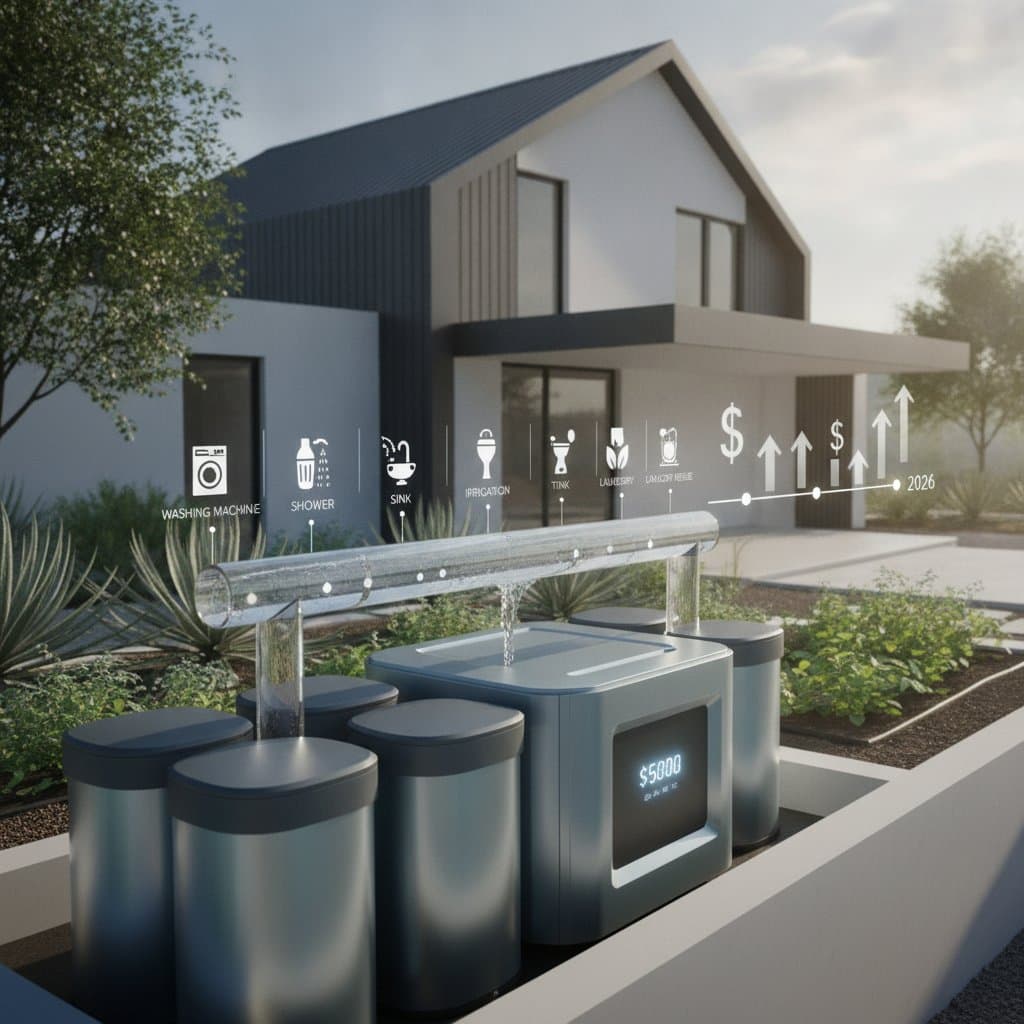
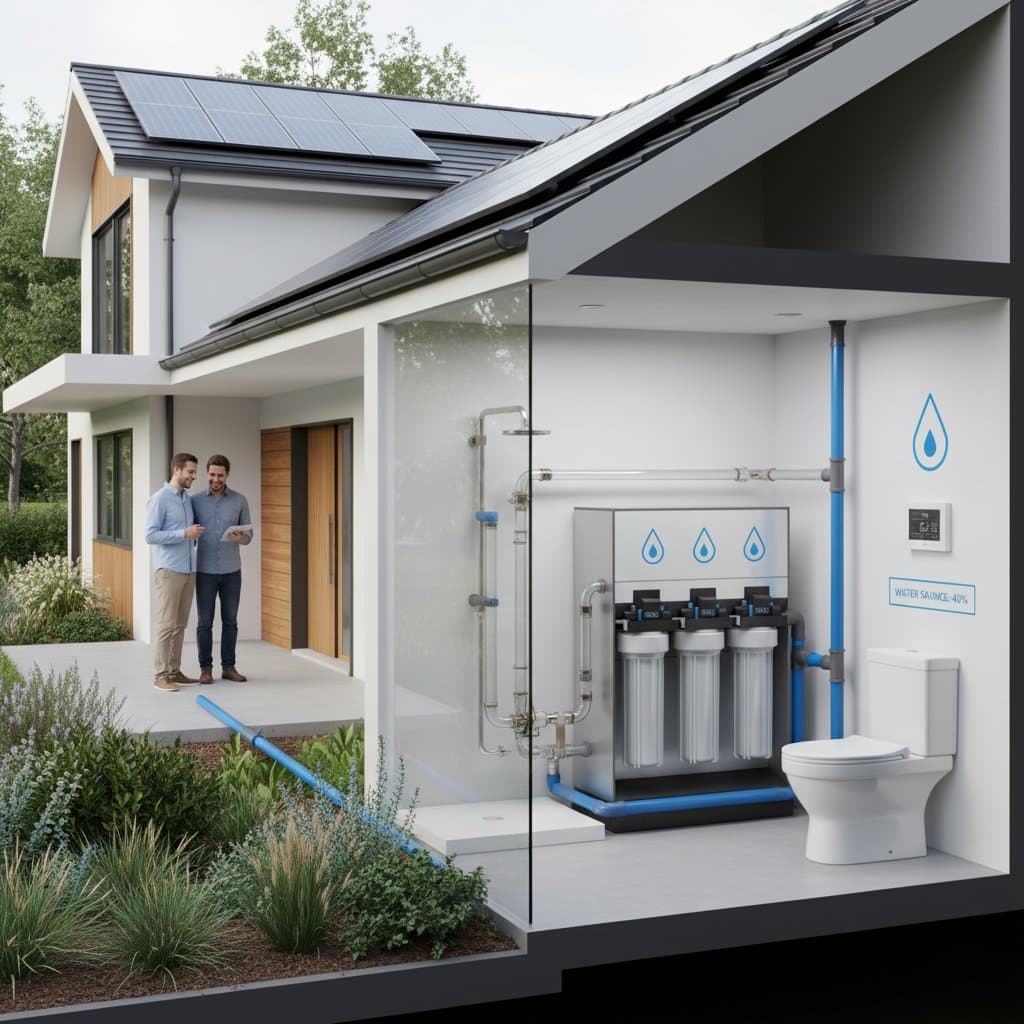
Greywater systems capture wastewater from household sources such as showers, sinks, and washing machines. This water, once treated minimally, supports irrigation or toilet flushing, reducing reliance on municipal supplies. Homeowners who install these systems often report significant reductions in water usage, aligning with growing demands for sustainability.
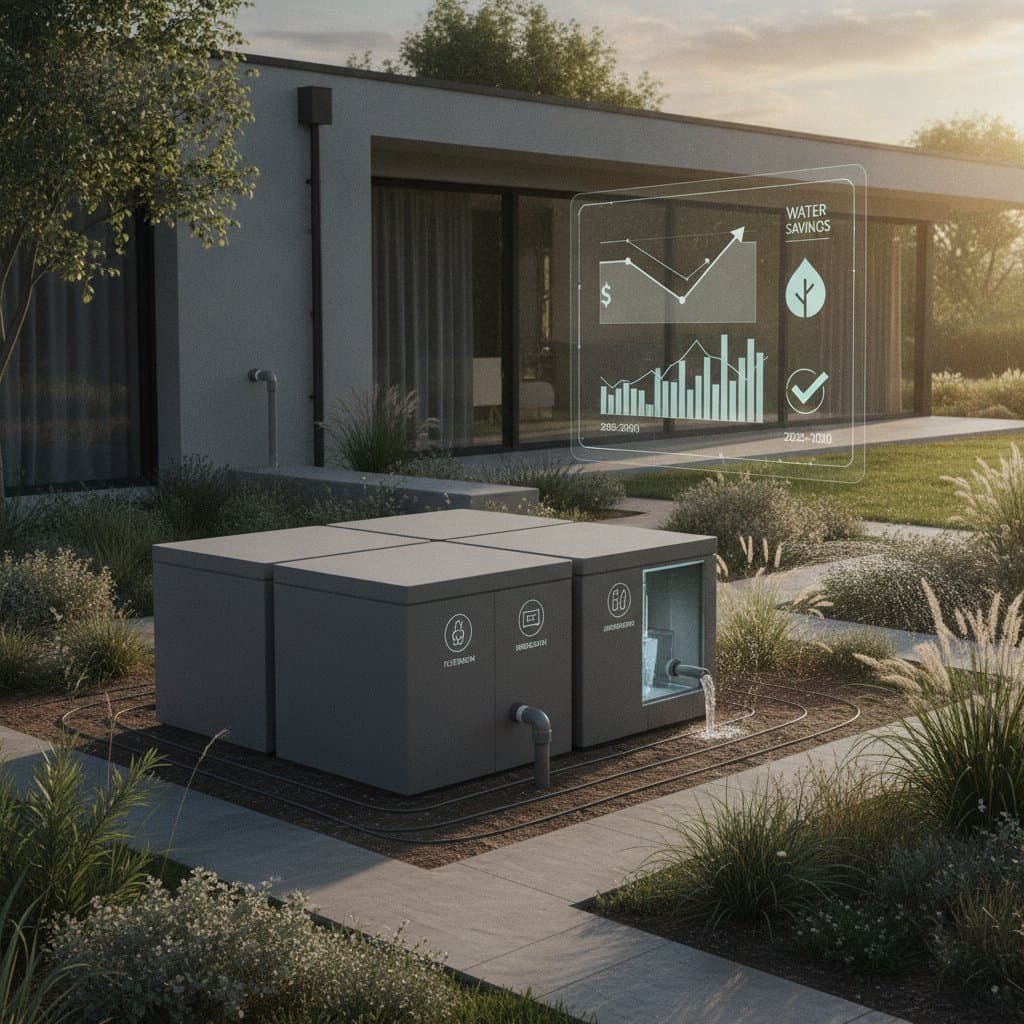
In 2026, advancements in filtration technology make these systems more accessible and efficient. Projections indicate potential savings of up to 40 percent on water bills for average households. This guide explores system options, installation processes, and strategies to maximize returns.
Types of Greywater Systems
Homeowners select from several greywater system types based on property size, water needs, and budget. Simple diversion systems route untreated greywater directly to landscape areas, suitable for gardens with minimal treatment requirements. These options suit arid regions where irrigation demands dominate.
More advanced filtration systems incorporate biological or mechanical treatments to purify water for broader uses, including indoor applications like toilet flushing. Branched drain systems collect greywater from multiple fixtures without pumps, ideal for single-story homes. Pumped systems, conversely, elevate water to elevated gardens or storage tanks, offering flexibility for varied terrains.
Each type balances initial costs with long-term efficiency. Consult local regulations to ensure compliance, as treatment levels vary by jurisdiction.
Installation Costs in 2026
Installation expenses for greywater systems range from $1,500 to $10,000, depending on complexity and scale. Basic diversion setups start at the lower end, requiring minimal plumbing adjustments and no electricity. Filtration systems with pumps and tanks push costs toward $5,000 or more, reflecting advanced components.
Professional installation adds $1,000 to $3,000, covering permits, labor, and site assessments. Homeowners in urban areas face higher fees due to regulatory hurdles, while rural properties benefit from simpler approvals. Factor in potential rebates from water utilities, which can offset 20 to 50 percent of expenses in water-scarce regions.
Long-term savings justify the investment. A typical family of four reduces annual water use by 30,000 gallons, translating to $300 to $600 in bill reductions at current rates.
Step-by-Step Installation Process
Begin with a site evaluation to identify greywater sources and discharge points. Engage a certified plumber or engineer to assess soil percolation and system capacity, ensuring safe operation.
- Obtain necessary permits from local authorities, providing system blueprints and water quality plans.
- Modify plumbing to divert greywater lines, installing surge tanks to manage flow volumes.
- Integrate filtration units, such as sand filters or membrane systems, positioned downstream from collection points.
- Connect outlets to irrigation zones or toilets, incorporating backflow preventers to protect potable water supplies.
- Test the system thoroughly, monitoring for leaks and treatment efficacy before full activation.
Professional oversight minimizes errors and extends system lifespan. DIY approaches suit basic diversions but require plumbing knowledge to avoid code violations.
Maintenance Requirements
Regular upkeep ensures greywater systems operate efficiently and safely. Inspect filters monthly, cleaning or replacing them to prevent clogs and bacterial buildup. Monitor water quality with simple test kits, adjusting treatments as needed for optimal reuse.
Flush lines quarterly to remove sediment, and annually service pumps or mechanical components. Landscape areas receiving greywater demand soil testing to maintain nutrient balance and avoid salt accumulation. Document all maintenance activities to comply with inspections.
Neglect leads to inefficiencies or health risks, but diligent care yields reliable performance. Many systems include self-diagnostic features in 2026 models, simplifying monitoring.
Realizing Savings and Sustainability Benefits
Greywater adoption cuts water bills by recycling 50 to 80 percent of indoor wastewater. In drought-prone areas, this approach conserves resources and reduces utility demands. Beyond finances, systems lower environmental impact by decreasing freshwater extraction and sewage treatment loads.
Homeowners achieve 40 percent savings through scaled designs matching household usage. Pair systems with low-flow fixtures for compounded effects. Track consumption via smart meters to quantify gains and refine operations.
Steps to Adopt Greywater Today
Evaluate your home's water profile to select an appropriate system. Research local incentives and connect with certified installers for tailored advice. Implement greywater to secure savings, enhance resilience, and contribute to water conservation efforts.