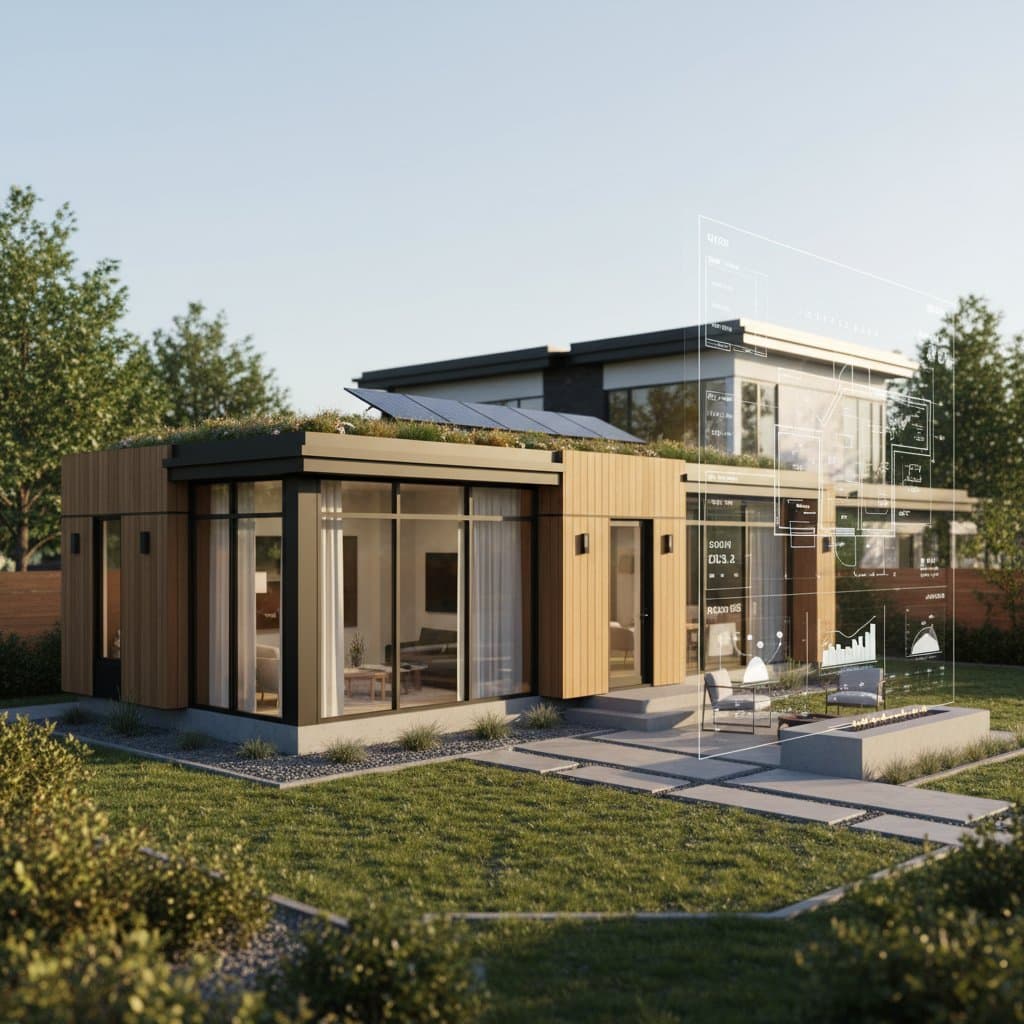
Understanding 2026 Modular ADU Costs for Backyard Units
Housing prices continue to climb, and available space remains scarce, prompting many homeowners to consider backyard additions. Modular accessory dwelling units provide a streamlined method to increase livable area without undertaking a complete home renovation. Knowledge of the elements that drive modular ADU costs in 2026 enables informed decisions during the planning and budgeting phases.
Components of a Modular ADU
A modular ADU consists of sections prefabricated in a factory setting and then assembled on the property. This structure functions as a guesthouse, home office, or income-generating rental. The units arrive nearly complete, which minimizes on-site labor and limits disturbances to daily life. Standard inclusions encompass plumbing installations, electrical systems, and basic interior elements. Property owners handle tasks such as foundation setup, utility connections, and regulatory approvals.
Costs fluctuate based on design choices, material selections, and personalization options. A compact studio unit may equate to the expense of a mid-range vehicle, whereas a two-bedroom configuration could match the investment of a traditional extension. Grasping these variables proves crucial prior to engaging a manufacturer.
Typical Price Ranges
Modular ADU expenses in 2026 typically span $180 to $500 per square foot, influenced by build quality and feature levels. For instance, a basic 300-square-foot studio unit totals approximately $60,000 to $90,000, incorporating site preparation and approvals. A 600-square-foot one-bedroom version ranges from $120,000 to $250,000 with all elements included. Expansive two-bedroom designs, particularly those incorporating luxury materials or integrated smart systems, often exceed $300,000.
These figures reflect complete, occupancy-ready installations. Certain providers supply basic shell structures for owners who prefer to complete interiors independently, potentially reducing expenses by $30,000 to $60,000 according to unit dimensions.
Primary Cost Influences
1. Unit Size and Configuration
Each added square foot escalates expenses through increased material needs, workforce requirements, and utility integrations. Opt for streamlined layouts to enhance cost efficiency; these designs employ minimal framing and surface treatments while maintaining an open feel. Evaluate floor plans that align with intended use to avoid unnecessary expansions.
2. Customization Extent
Builders construct modular ADUs from predefined blueprints or tailor them to specific preferences. Standard plans leverage existing module designs, which curtail engineering expenses and production durations. Tailored approaches necessitate architectural evaluations, structural assessments, and potential regulatory adjustments, elevating overall costs by 10 to 20 percent. Begin with template modifications to balance individuality and affordability.
3. Site Readiness
Terrain characteristics, including slope and soil composition, alongside utility proximity, directly impact preparation expenses. Properties with level ground and accessible services incur lower fees. Challenging sites, such as those with inclines or confined access, demand retaining structures, excavation work, or specialized equipment positioning, adding $5,000 to $25,000. Conduct a professional survey early to identify and address these issues.
4. Foundation Options
Modular ADUs commonly utilize concrete slab bases or pier-supported systems. Slab foundations average $8 to $12 per square foot, offering robust support. Pier foundations cost marginally less yet may constrain layout possibilities. Select based on geotechnical reports, water management needs, and municipal guidelines to ensure stability.
5. Regulatory Approvals and Charges
Municipal requirements differ significantly across regions. Certain areas provide streamlined approvals for standard designs, accelerating the process. Comprehensive reviews demand detailed submissions. Allocate $5,000 to $15,000 for application fees, environmental assessments, and compliance checks. Prepare documentation meticulously, including surveys and utility plans, to prevent processing delays.
6. Transport and Assembly
Distance from the manufacturing facility to the site determines logistics fees. Modular components necessitate oversized vehicles and, in some cases, traffic coordination. Deliveries within 50 miles approximate $3,000, whereas extended routes surpass $10,000. Crane operations for placement add $2,000 to $8,000, varying with site constraints. Factor in these elements when selecting a provider to control unforeseen charges.
7. Finishing Elements
Selections for surfaces, storage solutions, and appliances can alter totals by substantial amounts. Basic options maintain affordability but offer limited aesthetic variety. Intermediate choices, such as resilient vinyl flooring and durable quartz surfaces, deliver practicality without excess expenditure. Premium selections like solid wood floors, bespoke tiling, and specialized illumination enhance longevity and market value. Prioritize durable, low-maintenance materials suited to the unit's purpose.
Modular Versus Site-Built Approaches
Prefabricated ADUs generally prove 20 to 30 percent more economical than conventional on-site constructions of comparable scale. Savings arise from optimized labor in controlled factory settings and reduced material waste. Environmental factors rarely interrupt production, ensuring uniform quality. Traditional methods, however, encounter workforce variability and weather-related setbacks that prolong schedules and inflate budgets.
A modular endeavor usually concludes within three to five months, encompassing initial consultations through final setup. Site-built projects often extend to double that duration. Such efficiency benefits those seeking prompt use or revenue generation from the space.
Efficiency Features and Ongoing Benefits
Factory assembly incorporates airtight seals and enhanced thermal barriers that surpass many legacy constructions. Standard integrations feature high-efficiency appliances, compact heating-cooling units, and water-conserving devices. These elements lower operational expenses and may access regional incentives.
Preparations for solar integrations have become routine, facilitating future panel additions with minimal alterations. In high-cost energy markets, these efficiencies recoup part of the upfront outlay over time. Assess local utility programs to maximize rebates on qualifying upgrades.
Funding Pathways and Supports
Various financing mechanisms support modular ADU projects. Equity-based loans, mortgage refinances, or specialized improvement credits serve as primary avenues. Community initiatives occasionally collaborate with financial institutions to provide favorable rates for such developments. Prospective rental yields from the unit can bolster loan eligibility in select markets.
Energy-focused tax credits and grants further diminish net costs. Consult regional planning offices for initiatives promoting compact housing or eco-friendly methods. Compile eligibility details during the early planning stage to integrate available aids.
Builder Selection Strategies
Identify established modular specialists through credentials like industry accreditations, clear cost breakdowns, and regional portfolios. Demand itemized proposals distinguishing fabrication, preparation, and approval components for accurate evaluations. Examine feedback from platforms such as forums or design communities to gauge responsiveness and post-project support.
Full-service firms oversee the entire timeline, from conceptualization to completion. Others specialize in production alone, requiring coordination with local specialists for groundwork. Define responsibilities in writing to avert misunderstandings.
Avoiding Frequent Challenges
Overlooking preparation demands represents a prevalent error; minor elevations might necessitate costly leveling or line extensions. Secure an expert evaluation prior to agreements to quantify these needs accurately.
Not all yards accommodate modular placements due to spacing mandates, elevation caps, or access rights. Review zoning provisions at the outset to confirm feasibility and sidestep costly modifications.
Preserving the Addition
Modular ADUs demand little routine care, yet proactive measures safeguard value. Perform yearly checks on seals, roof coverings, and exterior panels. Maintain drainage systems by clearing channels and directing runoff appropriately.
In appreciating markets, a thoughtfully executed ADU elevates property worth by 20 percent or greater. Homeowners frequently observe enhanced appeal during sales.
Realizing Lasting Value Through Strategic Planning
Constructing a modular ADU demands careful coordination, yet it stands as an effective means to generate additional space. Thorough preparation, precise financial projections, and meticulous oversight yield a contemporary, resilient extension. This investment delivers enduring utility and financial returns for property owners.