2026 HVAC Filter Schedule: Fresh Air Year-Round
Maintaining clean indoor air hinges on a straightforward yet frequently overlooked practice: timely HVAC filter changes. A structured schedule enhances air quality while prolonging the life of your heating, ventilation, and air conditioning system. Homeowners who adhere to regular filter maintenance reduce energy expenses, minimize equipment strain, and sustain consistent comfort across all seasons.
The Importance of Regular Filter Maintenance
HVAC systems depend on filters to capture dust, pollen, pet dander, and other airborne particles. A clogged filter restricts airflow, compelling the system to operate more strenuously to regulate temperature. This leads to increased energy consumption, inconsistent heating or cooling, and heightened risk of mechanical failure. Studies from HVAC professionals indicate that a clean filter can boost system efficiency by as much as 15 percent.
Beyond performance, indoor air quality directly influences health. Filters that become overloaded release trapped contaminants back into the living space, exacerbating allergies, asthma, and other respiratory issues. Routine replacement promotes a healthier environment by minimizing exposure to these irritants.
To maximize benefits, integrate filter care into your overall home maintenance plan. For instance, pair filter checks with seasonal tasks like gutter cleaning or thermostat adjustments. This holistic approach ensures comprehensive system health.
Establishing an Effective Filter Schedule
The optimal HVAC filter schedule varies based on household size, pet presence, and environmental factors such as urban dust or rural pollen levels. However, a foundational framework provides a reliable starting point for most residences.
Monthly Inspections: Examine the filter at the beginning of each month, with increased attention during high-use periods like summer cooling or winter heating. Visual inspection reveals accumulation early, allowing for proactive adjustments even if full replacement is not immediately required.
Replacements Every One to Three Months: Standard disposable filters require replacement within this timeframe. In environments with elevated pollutants—such as construction zones or areas prone to wildfires—opt for the one-month interval to prevent rapid clogging.
Care for Reusable Filters: Clean washable filters every one to two months using a gentle soap solution and lukewarm water. Rinse thoroughly, then air-dry fully to avoid mold growth before reinstallation.
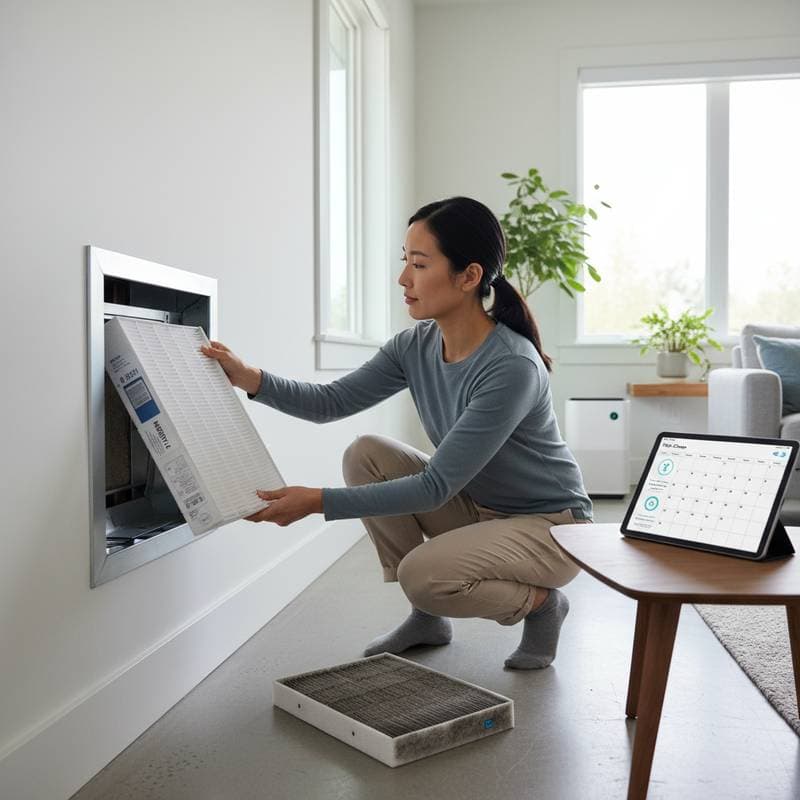
Simplify adherence by leveraging digital tools. Program recurring alerts in calendar apps or use adhesive labels on the filter slot to note the next due date. Stock several spare filters in a convenient location, such as the garage or utility closet, to eliminate procurement delays.
Consider tracking runtime as well. Systems that run longer, like those in larger homes, may necessitate more frequent changes. If your HVAC includes a runtime meter, divide total hours by 200 to estimate replacement cycles accurately.
Selecting the Appropriate Filter Type
Filters are rated by MERV, which stands for Minimum Efficiency Reporting Value—a scale from 1 to 20 indicating particle capture capability. Higher ratings provide superior filtration but demand compatible system design to avoid airflow restrictions.
-
MERV 1-4: Offers basic defense against larger debris; ideal for simple window air conditioners or aging central systems with limited fan power.
-
MERV 5-8: Delivers everyday protection for household dust, mold, and pet allergens; suitable for the majority of standard home setups.
-
MERV 9-12: Enhances capture of finer particles, benefiting households with allergy sufferers or multiple pets.
-
MERV 13+: Targets viruses, bacteria, and smoke; reserve for advanced systems or consult an HVAC technician to verify compatibility.
Aim for MERV 8 to 11 in typical homes to balance thorough filtration with unrestricted airflow. Review your unit's specifications in the owner's manual, or engage a certified technician for personalized recommendations. Upgrading filters during low-usage months minimizes any temporary efficiency dips.
Budgeting for Filters and Ongoing Maintenance
Disposable filters range from $10 to $40 each, influenced by dimensions and MERV level. At a two-month replacement pace, annual costs fall between $60 and $240. Reusable options involve a higher initial outlay of $50 to $150 but yield long-term savings through repeated cleanings, potentially lasting five years or more.
Incorporate filter expenses into your household budget alongside other utilities. To offset costs, seek bulk purchases from suppliers or explore energy rebates for efficient models. Annual professional HVAC tune-ups, costing $75 to $200, detect filter-related issues early and prevent expensive overhauls.
Preventive measures extend beyond filters. Vacuum registers quarterly and ensure vents remain unobstructed to support overall airflow. These steps collectively safeguard your investment and avert premature system failure.
Practical Strategies for Filter Management
-
Schedule Firmly: Assign filter changes to fixed dates, integrating them with routines like bill payments or family meetings.
-
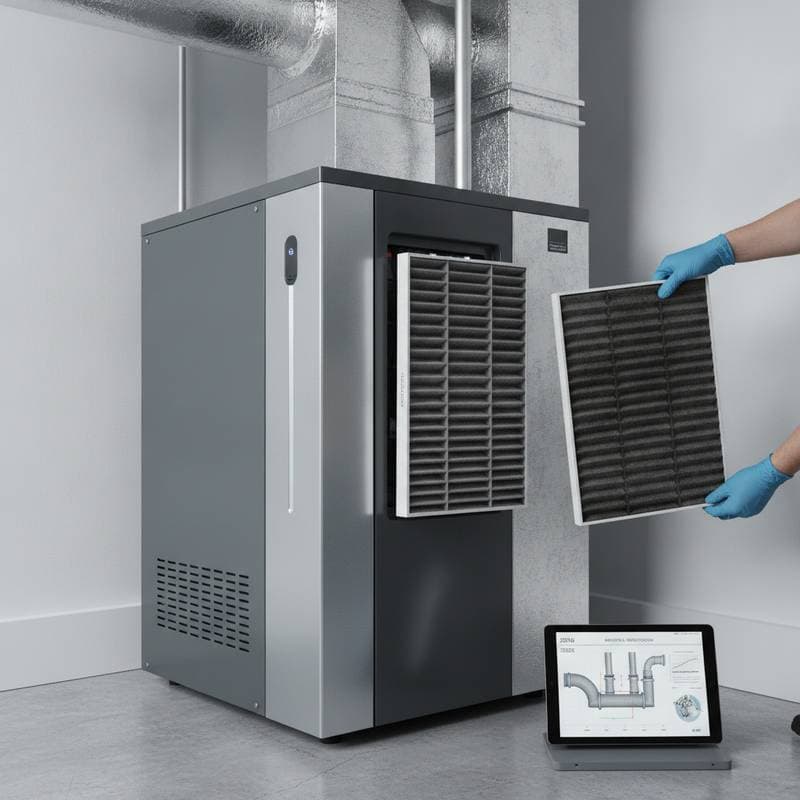
Align Airflow Properly: Position filters so the directional arrows indicate flow toward the blower fan, ensuring maximum effectiveness.
-
Secure the Fit: Press filters firmly into slots to eliminate gaps; bypassing air diminishes filtration performance.
-
Post-Construction Refresh: After renovations, install new filters immediately to clear residual dust and debris.
-
Adopt Technology Aids: Invest in smart thermostats that monitor runtime and alert you to impending filter needs.
For multi-unit homes, create a centralized log to track each system's schedule. This prevents oversights in complex setups.
Sustaining Long-Term Air Quality Benefits
Dedicated filter maintenance represents an accessible method to optimize your HVAC performance and indoor environment. Clean filters facilitate smoother operation, curb energy demands, and deliver consistently fresh air. Through a tailored schedule and informed filter selection, you foster a space that supports health and efficiency.
This practice also preserves your home's structural integrity by reducing dust buildup on surfaces and ducts. Commit to your next change today, and build momentum for sustained results that enhance daily living.