Professional AC Tune-Up: Reduce Energy Costs and Ensure Reliable Cooling
Homeowners rely on air conditioning systems to maintain comfort during rising temperatures. A poorly maintained unit often leads to increased energy consumption and inconsistent performance. Professional tune-ups address these challenges by optimizing the system before peak summer demands. This article explains the process, benefits, and preparation steps for effective cooling.
The Importance of Regular AC Maintenance
Efficiency in air conditioning units diminishes gradually due to factors such as accumulated dirt, loose electrical connections, and refrigerant shortages. These issues result in elevated energy usage and uneven temperature control. According to the U.S. Department of Energy, consistent maintenance enhances efficiency by as much as 15 percent, leading to substantial reductions in utility expenses.
Routine servicing also prolongs equipment durability. Minor issues left unaddressed may escalate into major failures, such as compressor malfunctions or damaged coils, which require repairs costing thousands of dollars. Arranging maintenance prior to intensive operation minimizes the risk of urgent interventions during high-demand periods, when costs and wait times increase.
Essential Elements of a Comprehensive AC Tune-Up
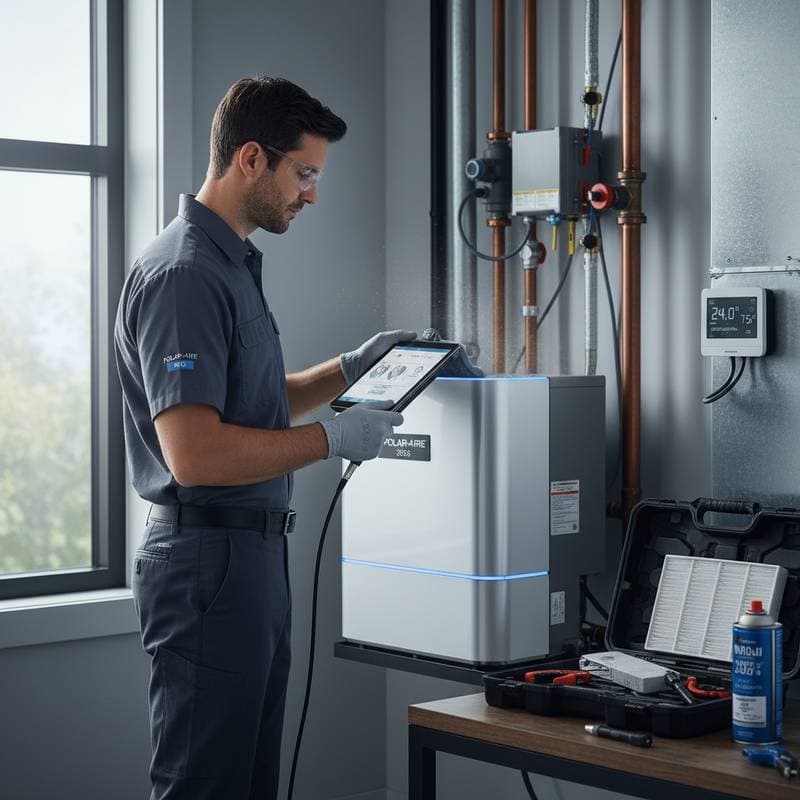
Professional tune-ups extend beyond basic filter changes to encompass a full evaluation and adjustment of critical components. Trained technicians examine each part to verify optimal operation. The following outlines the primary steps involved:
-
Air Filter Replacement
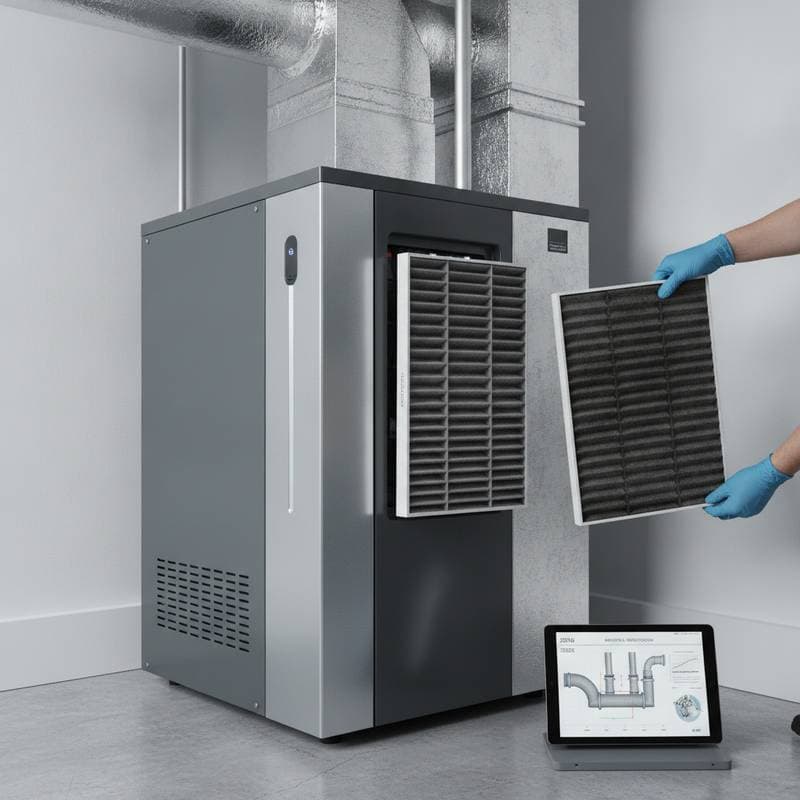
Clogged filters impede airflow and compel the system to operate under strain. Technicians recommend replacing filters every one to three months, with more frequent changes for households with pets or allergy sufferers. Installation requires only a few minutes and costs between ten and thirty dollars for a standard filter. -
Cleaning of Condenser and Evaporator Coils
Outdoor condenser coils accumulate dust, debris, and pollen, which hinder heat dissipation. Technicians clean these surfaces using specialized brushes or cleaners to restore efficiency and avert overheating. Similarly, indoor evaporator coils receive attention to eliminate buildup that could cause icing or airflow restrictions. -
Verification of Refrigerant Levels
Insufficient refrigerant diminishes cooling effectiveness and risks compressor damage. Technicians employ pressure gauges to measure levels, replenish as necessary, and detect any leaks. Recharging typically ranges from one hundred to three hundred dollars, varying by unit capacity. -
Examination of Electrical Components
Corroded or loose wiring may trigger intermittent operation or system halts. During the tune-up, technicians secure connections, evaluate capacitors, and confirm proper voltage to promote safe functionality. -
Thermostat Adjustment and Testing
Inaccurate thermostats lead to discomfort and wasteful energy use, even if off by a few degrees. Technicians assess precision and adjust settings, or suggest modern programmable or smart thermostats that adapt automatically for better conservation. -
Clearing of Drain Lines and Pans
Debris or algae often obstructs condensate drains, causing leaks and potential structural harm. Technicians clear blockages with vacuums or air pressure and apply vinegar solutions to inhibit regrowth. -
Lubrication of Fans and Motors
Inadequate lubrication increases friction, noise, and wear on moving parts. Technicians check bearings, balance fan blades, and apply appropriate lubricants to enhance longevity and quiet operation.
Pricing and Duration of Service
A standard professional tune-up ranges from one hundred to two hundred dollars, influenced by unit size, location accessibility, and local labor charges. The procedure generally requires sixty to ninety minutes on site. While some tasks suit DIY approaches, handling refrigerant demands certified expertise, making professional assistance the recommended option for safety and compliance.
Homeowner Tasks to Complement Professional Care
Owners can support system health through straightforward routines between service appointments. These practices sustain performance and delay the need for interventions:
- Replace air filters monthly during periods of high usage.
- Maintain a two-foot clearance around the outdoor unit, free from plants, leaves, or other obstructions.
- Examine indoor vents for dust or furniture interference that limits air circulation.
- Test thermostat batteries biannually to ensure reliable operation.
- Monitor for atypical sounds, such as grinding or humming, which indicate potential mechanical concerns.
Implementing these measures reduces the likelihood of unexpected failures and supports consistent cooling.
Identifying and Resolving Typical AC Problems
Despite preventive efforts, occasional malfunctions arise. Early recognition allows for prompt resolution:
- Warm air output from vents often signals low refrigerant, soiled coils, or compressor issues.
- Short cycling, where the unit activates and deactivates rapidly, stems from dirty filters, obstructed condensers, or thermostats positioned near heat sources.
- Accumulated water near the unit points to drain clogs or frozen coils.
- Persistent indoor humidity suggests inadequate airflow or an improperly sized unit that cycles too briefly to remove moisture effectively.
Basic inspections may resolve minor concerns, but persistent symptoms warrant a licensed technician's evaluation. Delaying action often amplifies repair expenses.
Selecting a Trustworthy HVAC Service Provider
The quality of tune-up results depends on the technician's expertise. Seek providers who hold valid licenses and insurance, backed by positive community feedback. Inquire about their use of advanced tools, such as digital diagnostics, for precise assessments. Many firms provide maintenance agreements that bundle tune-ups with expedited repair services, offering long-term cost efficiencies and dependable support.
Sustained Advantages of Proactive Maintenance
Ongoing care yields reductions in energy costs, decreased repair frequency, and extended equipment life. Cleaner systems also enhance air quality by minimizing airborne particles and irritants. Many owners observe tangible efficiency gains shortly after servicing, confirmed through utility tracking. This approach delivers assurance that cooling remains effective amid intense heat.
Prepare Your System for Peak Performance
Professional AC tune-ups serve as essential safeguards for comfort and finances. Integrating expert inspections with routine owner upkeep prevents disruptions and optimizes operation. Book appointments in advance, prioritize filter changes, and clear unit surroundings. Such diligence equips your air conditioner to manage summer challenges seamlessly.