Greywater Recycling: Costs and Permit Guide
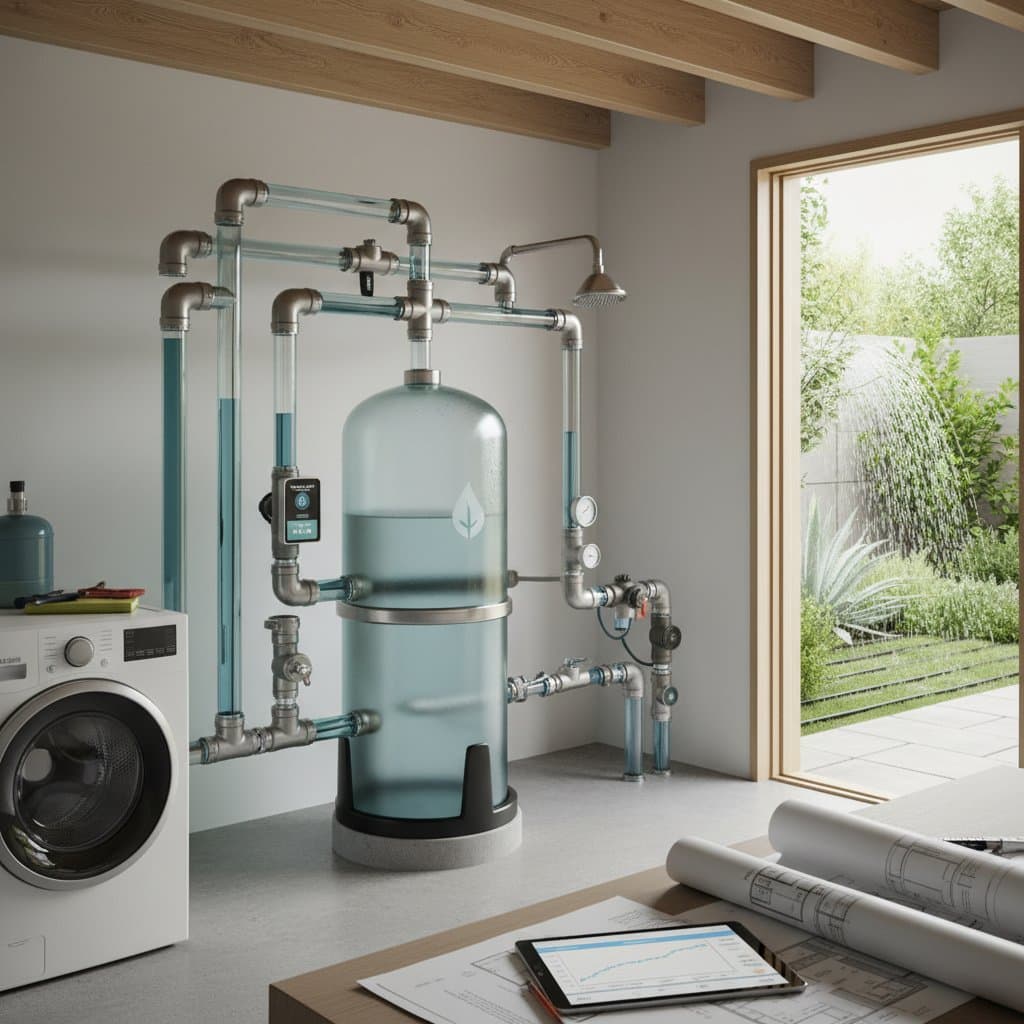
Greywater recycling enables homeowners to repurpose water from showers, sinks, and washing machines for irrigating landscapes or flushing toilets. This practice decreases reliance on freshwater sources and helps reduce utility bills, fostering sustainable household operations. While the principle remains straightforward, effective installation demands attention to cost variations, local regulations, and permitting procedures.
Pricing Models and Structures
Greywater system installers employ diverse pricing approaches based on the project's scale and included services.
- Hourly rates. Plumbers and contractors often bill by the hour, with rates typically ranging from 75 to 150 dollars. This approach works well for minor retrofits or routine upkeep tasks.
- Flat fees. Providers frequently offer fixed prices that encompass materials and labor for routine setups. Such quotes facilitate straightforward financial planning, particularly for installations in single-family residences.
- Per unit or project-based pricing. Certain companies calculate costs according to square footage or the number of fixtures involved. For instance, a system for a three-bathroom home with laundry integration exceeds the expense of a basic setup in a studio apartment.
- Package pricing. Comprehensive service providers deliver all-inclusive rates covering design, installation, and permitting assistance. These packages generally begin at approximately 4,000 dollars for entry-level configurations.
- Subscription or maintenance plans. Some firms extend ongoing service agreements for tasks like filter changes and system inspections, with annual fees between 150 and 400 dollars.
Key Variables Influencing Greywater System Pricing
Multiple elements determine the total expenses for installation and ongoing care.
- Project scope. Basic diversion systems for a single bathroom incur lower costs compared to comprehensive setups that serve the full property.
- Complexity. Installations needing sophisticated filtration, pressure regulation, or subsurface storage involve greater labor and specialized tools.
- Time investment. Straightforward projects might conclude in a single day, whereas intricate ones could span a full week. Extended labor durations elevate the overall price.
- Materials and equipment. Prices for tanks, filters, and pumps fluctuate with capacity and durability. Options like stainless steel or UV-resistant plastics command higher initial investments yet provide extended service life.
- Site conditions. Properties with restricted access under floors or challenging soil types often necessitate additional digging or plumbing modifications, adding to the budget.
Permit and Regulatory Guide
Most greywater projects require permits to safeguard against potential water contamination. Local agencies mandate submissions that verify safe reuse practices.
Permit fees differ by location, though budgeting 100 to 600 dollars covers typical inspection and approval charges. Certain communities provide rebates for eco-friendly water initiatives, potentially halving these expenses.
Inspections often encompass plumbing verifications, environmental assessments, and operational tests. A licensed plumber or engineer typically prepares and submits the system blueprint to align with prevailing building standards.
Regional regulations shape both expenses and system specifications. Jurisdictions with rigorous health codes insist on enhanced filtration and backflow safeguards, which raise setup costs.
Homeowners must also consider insurance effects. Policies generally demand proof of expert installation and valid permits to extend coverage to properties equipped with greywater systems.
Comparing Providers and Getting Quotes
To select a reliable installer, request itemized estimates detailing equipment, labor, and permitting fees. Established professionals supply client references and documentation of their credentials or licenses.
Use this evaluation framework:
- Assess whether the system's capacity aligns with your home's daily water output.
- Confirm that filtration and storage components satisfy regional standards.
- Review warranty details for essential parts like pumps and valves.
- Inquire about follow-up services, such as scheduled maintenance appointments.
- Demand a documented expense summary to promote clarity.
Data from EcoBuild Research indicates that 68 percent of greywater system owners express satisfaction with reliability after the first year. Clients engaging certified specialists encounter reduced upkeep demands and diminished cumulative expenses.
Sustainable Choices and Cost Tradeoffs
Opting for eco-friendly materials or efficient pumps minimizes ecological footprints. Although these selections increase initial outlays, they yield savings across the system's lifespan. For example, solar-driven pumps add about 500 dollars upfront but eliminate ongoing electricity costs.
Selecting robust components averts issues like leaks or material breakdown. Premium piping and rust-proof connectors typically include extended guarantees and demand less frequent interventions.
Implementing Your Greywater System
A greywater installation represents a strategic choice for both finances and environmental stewardship. Begin by analyzing your home's water usage habits to pinpoint fixtures generating suitable greywater volumes. Next, secure bids from qualified contractors and examine pertinent local permitting rules prior to finalizing arrangements.
Post-installation, regular upkeep preserves performance and durability. Perform filter cleanings on schedule, monitor tanks for sediment accumulation, and arrange expert evaluations as advised.
Greywater recycling elevates everyday water handling into an efficient, economical endeavor. Through meticulous preparation and expert input, homeowners lower operational costs, fulfill legal obligations, and advance enduring water preservation goals.