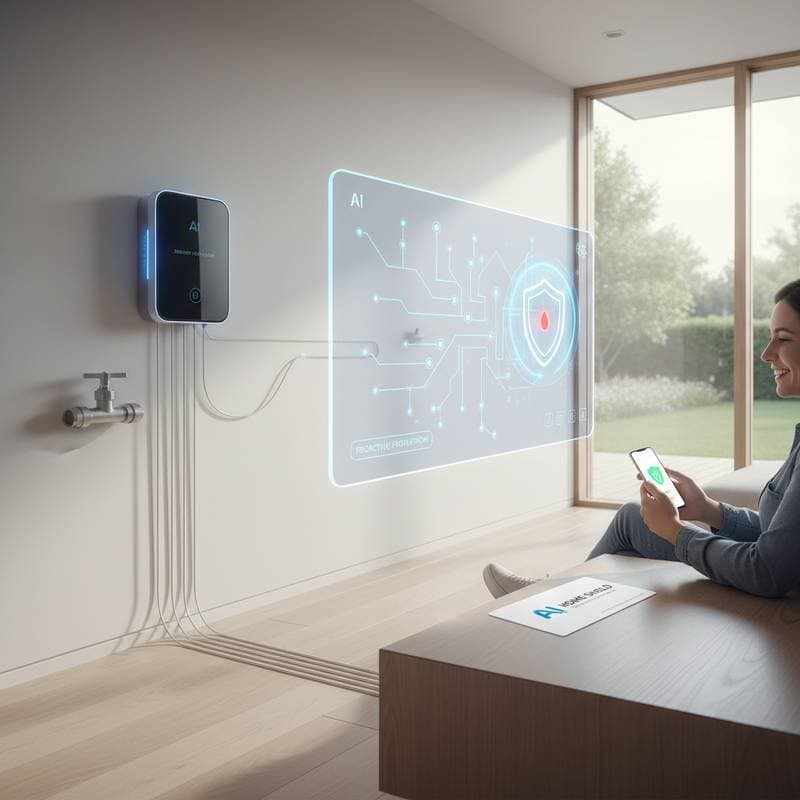
Why AI Leak Detection Enhances Home Warranty Coverage
Home warranties serve as essential safeguards for homeowners facing sudden system breakdowns. However, many such plans lag behind advancements in smart home devices. AI leak detection bridges this divide effectively. As these monitoring tools grow more precise and cost-effective, warranty providers recognize their potential to strengthen coverage. For homeowners, pairing AI leak detection with warranty protection establishes a robust, forward-thinking barrier against substantial water-related losses.
The Escalating Expenses of Water Damage
Water leaks inflict billions of dollars in property harm annually. A minor drip beneath a sink or within a wall can lead to mold growth, material decay, and foundational problems if undetected. Standard home warranties address plumbing repairs and water damage, yet they activate only after issues surface. At that stage, significant destruction has often occurred.
AI leak detection alters this sequence. These systems observe water flow and pressure continuously, issuing notifications at the first sign of irregularity. Such timely alerts prevent extensive repairs, lower insurance filings, and stabilize warranty expenses. Homeowners who adopt these technologies report averting leaks that would otherwise demand two thousand to five thousand dollars in fixes, based on shared experiences in online home improvement communities.
Mechanisms of AI Leak Detection
AI leak detection employs sophisticated sensors and machine learning to oversee water consumption throughout the residence. Placement typically occurs at the primary water supply or critical fixture locations. The technology establishes baseline usage patterns and identifies deviations promptly.
Consider a routine shower that consumes ten gallons. If flow persists unexpectedly overnight, the system activates an alert. Certain models halt water supply automatically to limit harm, while others deliver immediate notifications via mobile applications or integrated smart platforms.
Devices from manufacturers such as Flo by Moen and Phyn appeal to users through their blend of analytical capabilities and intuitive designs. Households equipped with these tools achieve up to ten percent less water wastage and avoid at least one significant leak yearly, according to detailed analyses from home resource publications.
Reasons Warranty Providers Focus on AI Leak Detection
Warranty firms grapple with balancing claim expenses and client approval. Water damage represents one of the costliest categories. By incorporating or promoting AI leak detection, providers diminish the frequency of these substantial payouts.
Such inclusion elevates the policy's attractiveness to technology-oriented homeowners. Industry experts note that embedding smart monitoring showcases forward momentum and dependability. This approach positions providers as active collaborators in property upkeep rather than mere responders.
Financially, the equation favors adoption. An initial outlay of a few hundred dollars for installation contrasts sharply with thousands saved per prevented claim. This mutual benefit positions AI leak detection as an ideal component of warranty strategies.
Integrating AI Leak Detection into Coverage Options
Warranty companies can weave AI leak detection into policies through varied approaches:
- Optional Add-On Coverage: Clients select this enhancement for a modest premium, ideal for those possessing or intending to acquire compatible devices.
- Bundled Protection Plans: Premium tiers incorporate the technology directly, providing pre-configured units or incentives for new policyholders.
- Incentive Rebates: Discounts or credits apply to installations of vetted systems, mirroring utility programs for efficiency upgrades.
These methods mitigate risks while empowering homeowners with greater oversight of their plumbing infrastructure. Providers may partner with device creators to gather operational insights, refining policy details and advancing predictive capabilities.
Installation Choices: DIY or Professional
Many AI leak detection units facilitate simple setup, needing minimal tools and internet access.
DIY Installation:
- Suited to straightforward attachments at the main line or existing pipes.
- Involves upfront costs of two hundred to four hundred dollars, varying by model and capabilities.
- Demands precise initial adjustments for optimal performance.
Professional Installation:
- Advised for expansive properties or intricate setups.
- Guarantees proper sensor positioning, tuning, and connectivity.
- Provides expert verification, often required to qualify for warranty benefits.
Selection hinges on technical comfort and policy stipulations. Certain providers mandate professional involvement to uphold coverage validity.
Ensuring Reliability Through Safety and Upkeep
Advanced systems require consistent oversight to function optimally. Homeowners must examine sensors routinely, swap batteries as needed, and verify valve operations. Firmware updates enhance accuracy, as developers release improvements regularly.
Warranty services can incorporate upkeep prompts into client communications. Shared accountability sustains system effectiveness. Plumbing professionals demonstrate that regular checks slash false alerts by nearly fifty percent, informing refined guidelines that minimize disruptions and service demands.
Addressing Data Privacy in AI Systems
These technologies gather ongoing usage information, prompting valid privacy concerns. Established brands secure data through encryption and restrict it to aggregate trends, excluding personal identifiers. Providers integrating such tools must outline data practices transparently.
Clear communication fosters confidence. Homeowners embrace monitoring when assured of information safeguards. Robust policies also protect firms from regulatory challenges.
Enduring Advantages for Homeowners
Merging AI leak detection with home warranties delivers tranquility and tangible savings. Maintenance shifts from response to anticipation, sidestepping mold cleanup, structural fixes, and surface replacements tied to overlooked leaks.
Broad implementation may decrease overall claim averages, fostering competitive rates. Clients gain leverage in policy discussions. Surveys indicate that smart-equipped households submit twenty-five percent fewer water claims, underscoring the economic merits of technological integration.
Safeguarding Your Home's Value
AI leak detection investment transcends ease; it shields a primary asset. Coupled with comprehensive warranties, it forms a comprehensive shield: prevention through technology, backup via coverage.
Proactive homeowners experience reduced costs, minimal interruptions, and preserved property worth. Providers embracing this evolution draw clients seeking progressive safeguards. As smart monitoring evolves into an expectation, it equips residences against pervasive, concealed threats effectively.