Timing and Filter Selection for Fall HVAC Replacement
Seasonal shifts signal the need to inspect your HVAC system. As fall arrives, cooler temperatures increase reliance on heating, heightening the importance of clean indoor air. Replacing the HVAC filter stands out as an essential, yet frequently neglected, maintenance step that supports comfort, efficiency, and controlled energy expenses.
Basics of HVAC Filter Pricing
Filter costs for homeowners vary significantly by type and system dimensions. Standard disposable fiberglass filters typically range from $5 to $15 each. Pleated filters, offering moderate performance, fall between $15 and $40. Advanced options with electrostatic features or specialized materials cost $40 to $80, while top-tier HEPA or whole-house systems surpass $100.
Regional differences influence these prices due to variations in distribution and brand access. In urban settings with elevated pollution, demand for superior filtration drives up costs. Rural areas, facing less competition, generally provide more affordable options through localized supply chains.
Seasonal dynamics play a role as well. Early fall and spring see retailers offering discounts amid peak maintenance periods. Broader economic shifts, including manufacturing expenses or supply interruptions, can alter prices. Selecting energy-efficient filters may qualify for rebates that lower overall outlays by enhancing system operation.
Common Pricing Approaches
Filters reach consumers through diverse sales models tailored to retailers or service providers. Direct purchases from stores or online platforms charge per individual unit. HVAC services might apply flat fees covering both the filter and installation labor. Subscription services, favored by time-strapped families, provide periodic deliveries for a fixed monthly or quarterly rate, often at a modest premium for the convenience of regular upkeep.
Comprehensive maintenance plans frequently incorporate filter swaps alongside seasonal evaluations, system cleaning, and efficiency assessments. Such packages generally span $150 to $300 per session, scaled to the provider and equipment intricacy.
Service Levels and Associated Costs
Entry-level service entails installing a basic fiberglass or simple pleated filter. This choice suits homes free of pets or allergy issues, with low airflow resistance. Expect charges of $10 to $25 per swap.
Mid-tier service deploys pleated filters that capture finer particles and endure longer. Homeowners value this for its cost-performance equilibrium, priced at $25 to $50.
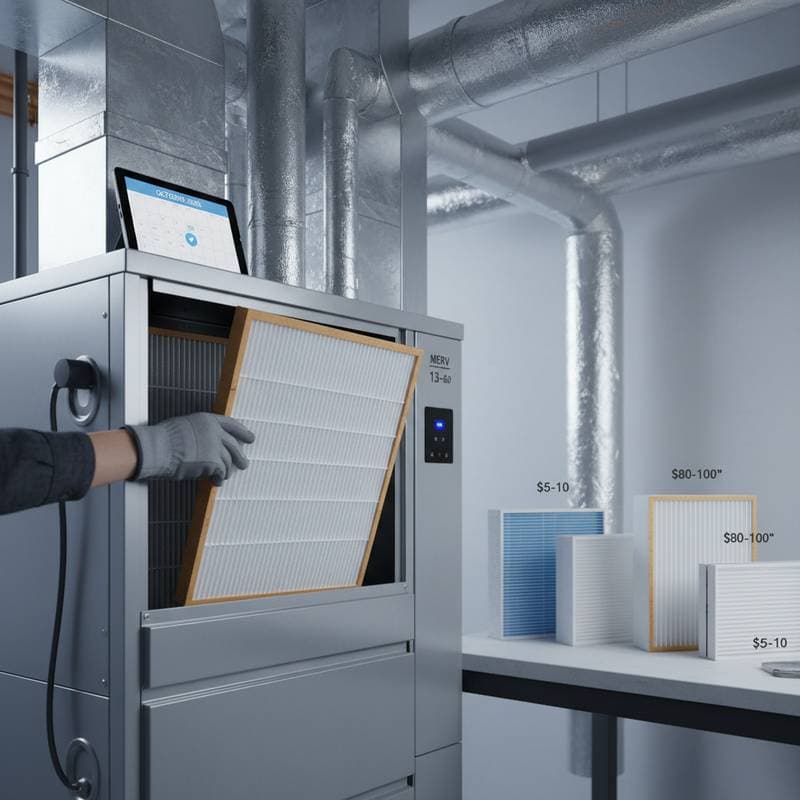
Advanced service incorporates high-MERV filters, rated 13 or above. These excel at trapping dust, allergens, and pollen, though they demand greater fan power for airflow. Replacement fees range from $60 to $100.
Custom service addresses unique setups requiring tailored or HEPA filters, prevalent in expansive residences or advanced purification systems. Prices start at $100 to $200, typically including expert installation.
Factors Shaping Filter Expenses
Multiple elements determine the final price for your fall replacement:
- Dimensions and compatibility: Non-standard or bespoke sizes elevate costs via specialized production or delivery.
- Construction materials: Inexpensive fiberglass offers basic function, while pleated synthetics or cottons boost efficacy at higher prices.
- MERV rating: This metric measures particle capture efficiency. Elevated ratings deliver superior cleaning yet command premium pricing.
- Equipment configuration: Efficient systems necessitate precise filter matches to preserve airflow. Mismatched selections risk damage or diminished output.
- Replacement cadence: Environments with pets, tobacco use, or dust accumulation warrant changes every one to two months, inflating yearly totals.
Certified energy auditor Maria Linton notes, “Selecting a filter aligned with your system's airflow and needs outweighs opting for the top rating every time. Excessive filtration can overburden the blower and hike energy consumption.”
Complementary Services and Extra Fees
Pairing filter changes with additional upkeep enhances overall function:
- Duct sanitation: This $300 to $500 process clears accumulated debris, prolonging the new filter's effectiveness.
- Coil maintenance: Cleaning evaporator and condenser coils, which cost $80 to $150, restores efficiency lost to grime buildup.
- Comprehensive evaluation: Inspecting refrigerant, thermostat settings, and blower operation runs $100 to $200.
- Rush scheduling: Same-day or urgent calls add 20 to 50 percent to standard fees.
Though elective, these enhancements prolong filter and system durability.
Selecting Ideal Filters for Autumn Conditions
Autumn requires filters that harmonize filtration with unrestricted airflow. With heating cycles intensifying, consistent air movement prevents equipment stress. A pleated filter rated MERV 8 to 11 serves most households well, targeting common contaminants such as dust, lint, and spores without impeding circulation.
Allergy-prone homes gain from MERV 12 or 13 variants that snare pollen and dander. Verify your unit's fan strength prior to upgrading, as thicker media demands additional energy.
Pet-heavy or smoking households should explore activated carbon filters. These neutralize odors and chemicals, costing roughly 20 percent above pleated equivalents for enhanced freshness.
Scheduling Your Replacement
Fall timing readies your system for winter demands. Guidelines recommend swapping standard filters every 60 to 90 days; premium types endure up to six months in typical settings. High-traffic homes or those near construction or pollen sources benefit from 30-day intervals to sustain air purity.
Conduct a quick visual check: graying or dust-laden filters signal replacement. Blockages compel harder operation, raising bills and accelerating wear.
Weighing DIY Against Professional Options
Self-replacement requires mere minutes and avoids service fees, yet pros guarantee proper fit, secure mounting, and thorough checks. They detect issues like leaks or blockages overlooked by novices. For efficiency, pair subscription deliveries with personal installation.
Steps to Execute Your Fall Swap
Anticipate your replacement to secure efficiency and well-being. Determine your current filter specs, schedule alerts, and source from trusted vendors or providers. Leverage fall promotions or bundled plans for inspections and cleanings.
A fresh filter promotes better respiration, reduced consumption, and seamless performance through winter. Opt for fiberglass simplicity or pleated sophistication; consistent timing ensures enduring comfort and dependability.