2026 Whole-Home Generator Costs: A Smart Backup Investment
Power outages disrupt daily routines in moments. Whole-home generators ensure continuity by providing seamless backup power. Homeowners increasingly view these systems as essential investments rather than optional features. As costs evolve and technology advances, careful planning for installation and maintenance becomes crucial for optimal selection.
Average Costs for Whole-Home Generators
Total expenses hinge on generator capacity, brand reputation, fuel source, and site-specific installation demands. Homeowners typically allocate funds across equipment, labor, and ancillary components.
Key cost components include:
- Generator unit: Entry-level models for smaller residences begin at capacities of 10 to 20 kilowatts, priced from $4,000 to $8,000. Larger units for expansive homes, rated 22 to 48 kilowatts, range from $10,000 to $18,000.
- Transfer switch and electrical wiring: These elements facilitate secure power switching, costing $1,000 to $2,500.
- Installation labor: Certified electricians manage permits, fuel line integrations, and system tests, adding $3,000 to $5,000.
- Fuel infrastructure: Natural gas connections cost $500 to $1,500, while propane tanks or diesel reservoirs may reach $2,000 to $4,000 based on regional availability.
- Maintenance agreements: Yearly plans, starting at $200, sustain performance and warranty coverage.
Budgets for comprehensive systems often total $15,000 to $25,000, far exceeding partial setups at $5,000 to $10,000. Full coverage removes uncertainty during extended blackouts, powering essentials like heating, refrigeration, and medical devices.
Long-Term Value and Financial Benefits
Whole-home generators extend beyond immediate utility. They safeguard property against freeze damage and preserve food stocks, offsetting costs through avoided losses. Some insurers reduce premiums by 5 to 15 percent for properties with automatic standby units.
For remote workers or home-based operations, uninterrupted power averts productivity halts and data corruption. Stable voltage upon grid restoration prolongs appliance longevity, minimizing repair needs.
Advancements in efficiency reduce operational demands. Current models achieve up to 20 percent better fuel economy than predecessors. Integration with smart ecosystems enables app-based oversight, alerting users to potential issues before failures occur.
Essential Maintenance and Operational Expenses
Dependable performance requires consistent upkeep. Manufacturers advise professional servicing once per year, encompassing:
- Oil and filter replacements to maintain lubrication.
- Spark plug evaluations for ignition reliability.
- Battery assessments to ensure startup capability.
- Load bank testing to verify full-capacity operation.
- Firmware enhancements for optimal control systems.
Fuel usage fluctuates with demand; a 20-kilowatt natural gas unit consumes about 200 cubic feet per hour at half load, translating to $5 to $10 hourly. Propane alternatives average $8 to $15 per hour, while diesel suits off-grid scenarios at $10 to $20.
Service contracts, priced from $150 to $300 annually, guarantee prompt interventions during peak weather events. Proactive care averts breakdowns, as evidenced by user reports of systems enduring hurricanes without interruption.
Visual Aids for Informed Decisions
Image Suggestion 1:
Photograph of a generator mounted on a concrete pad adjacent to the home exterior, illustrating required setbacks from windows and doors. Alt text: Whole-home generator installation demonstrating ventilation and safety spacing.
Image Suggestion 2:
Infographic breaking down expense categories with percentages for equipment, labor, and fuel setup. Alt text: Visual breakdown of whole-home generator cost distribution.
Chart Suggestion:
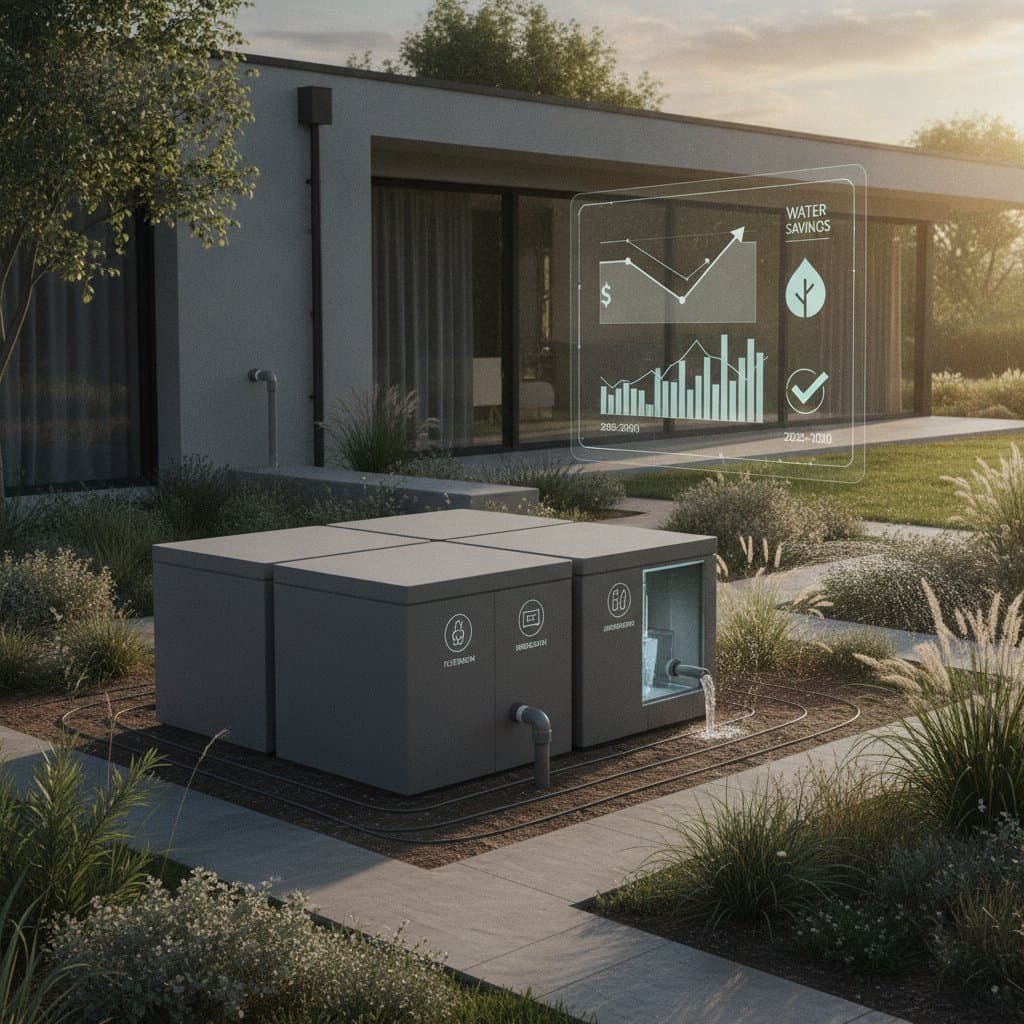
Line graph tracking cumulative savings from prevented outage damages against initial outlay over five years. Alt text: Graph illustrating return on investment for whole-home generators versus blackout impacts.
These visuals clarify financial implications, aiding budget assessments.
Frequently Asked Questions on Whole-Home Generators
Does installation require permits?
Local regulations mandate electrical, building, and fuel permits to uphold safety standards and code adherence.
Will it power my entire home?
System sizing determines coverage; professionals calculate loads to support full operations or prioritize circuits like HVAC and lighting.
What is the noise level?
Contemporary enclosures limit sound to 60 to 70 decibels, comparable to a conversation or outdoor HVAC unit.
How does it handle power restoration?
The transfer switch seamlessly reconnects to the grid, allowing a 5- to 10-minute cooldown before automatic shutdown.
What is the expected lifespan?
Properly maintained units deliver 10,000 to 30,000 hours of service, equating to 15 to 20 years of intermittent use.
Steps to Maximize Your Generator Investment
Select a unit matched to your home's peak load, consulting certified installers for precise assessments. Opt for natural gas if utility access exists, prioritizing lower emissions and endless supply. Integrate smart monitoring for real-time alerts via smartphone.
Schedule initial testing post-installation and adhere to seasonal fuel checks. Pair the system with surge protectors to enhance overall resilience. These measures ensure the generator not only responds to outages but also appreciates as a cornerstone of home security.
A reliable generator sustains more than electricity. It upholds daily rhythms, health safeguards, and residential equity amid uncertain weather patterns.